
In This Article
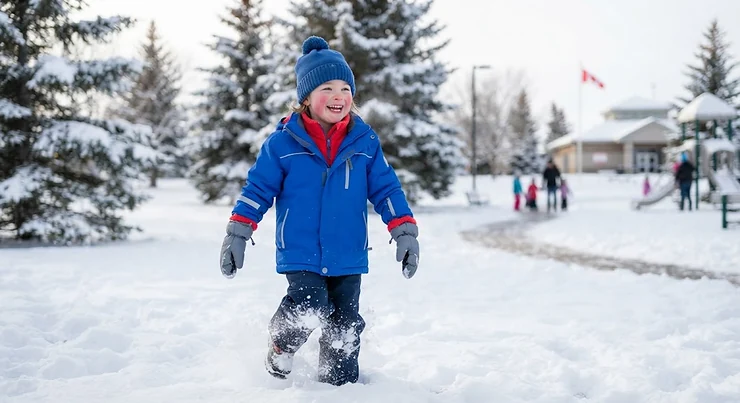
Canadian kids don’t dress for a season. They dress for a Tuesday. It’s 3°C and drizzling at the bus stop on Monday, there’s ice on the puddles by Thursday, and by Saturday the sun is out and nobody wants a parka. That whiplash is exactly what top rated 3-in-1 jackets for kids are built for. A waterproof shell and a zip-in fleece or insulated liner can be worn together, or each on its own, so one purchase covers rain, chill and real cold.
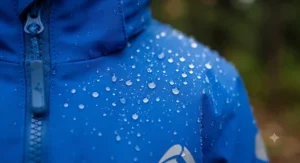
The concept is simple, but the execution varies a lot. Some shells are true seam-sealed membranes. Others are a light water-repellent coating that will hold up until the first proper downpour. Some liners are thin fleece and some are genuine synthetic insulation. A few brands add sleeves you can lengthen as your child grows, and most don’t.
The idea also fits how Canada’s paediatric guidance approaches cold weather. The Canadian Paediatric Society’s Caring for Kids winter safety advice recommends layers that go on and off easily, and it warns that an overdressed child can sweat and end up colder once they stop moving. A 3-in-1 is essentially that layering system pre-packaged.
This guide ranks seven real options, from budget to premium. It covers growth-friendly sizing, kids’ snowsuit alternatives, a women’s 3-in-1 jacket for parents and teens, and school-weather durability. Every product is analysed from real specs and aggregated review sentiment, and prices are shown as ranges only.
Quick Comparison: Top Rated 3-in-1 Jackets for Kids at a Glance
| Product | Shell technology | Grows with your child? | Price range (CAD)* | Best For |
|---|---|---|---|---|
| Mountain Warehouse Fell Kids 3 in 1 Jacket | DWR water-resistant polyester | No | C$70–C$120 | School runs and mild, wet autumns |
| Wantdo Boy’s 3 in 1 Waterproof Ski Jacket | Listed 10,000 mm waterproof | No | C$80–C$130 | Budget snow play |
| Columbia Bugaboo II Fleece Interchange Jacket (Youth) | Omni-Tech, seam-sealed | Yes, 3.8 cm sleeve extension | C$130–C$190 | Best all-round value |
| Columbia Youth Whirlibird III Interchange Jacket | Omni-Tech, seam-sealed | Yes, 3.8 cm sleeve extension | C$160–C$230 | Ski hills and harsh winters |
| Jack Wolfskin Akka 3-in-1 Jacket | Waterproof-breathable outer | No | C$150–C$230 | Kids who hate scratchy collars |
| The North Face Freedom Triclimate (Youth) | DryVent 2L | No | C$190–C$260 | Premium, long-lasting build |
| Columbia Women’s Whirlibird V Interchange Jacket | Omni-Tech, seam-sealed | Adult sizing | C$250–C$350 | Parents and older teens |
*Estimated ranges based on retail listings at the time of research. Check current prices, since they change often.
On this table, the Columbia Bugaboo II is the strongest all-rounder for most families, because it pairs a seam-sealed shell with sleeves that can be lengthened. If your budget is tight and your winters are mild and wet, the Mountain Warehouse Fell does the job for the least money. Only the two Columbia kids’ models on this list let you extend the sleeves, which matters more than most buyers realize.
💬 Just one click — help others make better buying decisions too!😊
Top 7 Top Rated 3-in-1 Jackets for Kids: Expert Analysis
1. Mountain Warehouse Fell Kids 3 in 1 Jacket — cheapest way into the 3-in-1 system
The Fell is about economics. It gives you a water-resistant shell and a detachable inner fleece for less than many single-purpose coats cost. The listing describes a 100% polyester build with a DWR (durable water repellent) treatment, a packaway hood that rolls into the collar, and two front pockets.
DWR makes rain bead and roll off the surface, but it’s a coating rather than a membrane. Mountain Warehouse describes it as suited to light rain and limited exposure, which is how I’d treat it too. Think school-run and park jacket, not sledding-hill jacket.
For a child aged roughly 5–10 whose winter is mostly bus stops and recess, the maths is friendly. You can replace a C$90 jacket without flinching, and you can pair it with a warm hat and mitts for the truly cold days. It runs out of steam in wet snow or when a child sits on a soaked bench.
On review sentiment, the Amazon.ca Mountain Warehouse storefront showed the Fell at around 4.1 out of 5 across more than 4,000 ratings at the time of research. That’s a big sample for a budget coat. I couldn’t verify individual review themes in enough detail to summarize them here, so treat the rating as a broad signal only.
Pros:
- ✅ Detachable fleece gives genuine three-way use
- ✅ Packaway hood suits changeable weather
- ✅ Very large review base on Amazon.ca
Cons:
- ❌ Water-resistant, not fully waterproof
- ❌ Light insulation for deep-freeze days
Price: roughly C$70–C$120. It’s good value for mild, wet climates and a poor fit for prairie January.

2. Wantdo Boy’s 3 in 1 Waterproof Ski Jacket — 10,000 mm claim at a budget price
The Wantdo stands out for its number. Wantdo lists a 10,000 mm waterproof rating on the outer shell, which outdoor retailers generally treat as adequate for everyday activity and resort skiing. Heavy rain and wet snow usually call for 15,000 mm or more.
The listings describe a rain-shell outer with a warm inner layer, and the exact liner (fleece or puffer) seems to vary by model and year. Check the current listing before you buy. Sizes run from 6 to 20, and a girls’ version exists. The jackets also include zip pockets and a removable hood.
Lab ratings measure static pressure, and kids create plenty of pressure by kneeling in slush and sitting on wet ground. So the real-world performance will sit below the headline figure. Even so, a listed 10,000 mm shell at this price is more waterproofing than the Fell offers, which makes it the better pick for snow play on a budget.
Retail-listing review summaries for Wantdo kids’ coats (roughly 4.7–4.8 out of 5 across a couple of hundred ratings) point to a consistent pattern. Buyers describe the coats as adequately warm and true to size. They also note that wind protection can be breached in intense gusts and that the detachable hood can be fragile.
Pros:
- ✅ Listed 10,000 mm waterproof rating
- ✅ Broad size range from 6 to 20
- ✅ Zip pockets keep small treasures secure
Cons:
- ❌ Hood can be fragile with rough handling
- ❌ Intense wind can get through
Price: around C$80–C$130. It’s a strong value for a first winter coat.
3. Columbia Bugaboo II Fleece Interchange Jacket (Youth) — growth-friendly classic
The Bugaboo II is the model that makes growth-friendly sizing practical rather than theoretical. Its OUTGROWN system uses hidden, removable seams to add 3.8 cm (1.5″) to the sleeves.
The shell is Omni-Tech waterproof-breathable nylon with critically seam-sealed construction. Seams are where cheap jackets leak first, so sealing them matters more than the fabric. The zip-in liner is a 225 gm anti-pill microfleece, the shell has Omni-Heat reflective lining, and the extras include a taffeta-lined hood, a media/goggle pocket and fleece-lined hand pockets.
My analytical take is that this is the sweet spot for most families. It’s warm enough for a typical Canadian winter with a proper base layer. It’s also breathable enough that a child running around won’t steam up inside, and it’s priced below the premium models. Columbia has since released a Bugaboo III with the same 3.8 cm extension, so check which version a listing shows.
The reviews I could verify were for the adult Bugaboo II, which shares the design. Buyers praised its wind-blocking and warmth, its sturdy zippers, and a liner that’s easy to remove and reinstall. Some also noted that the fleece liner felt thinner than earlier Bugaboos and that pocket layouts weren’t ideal.
Pros:
- ✅ Seam-sealed shell keeps water out at the joins
- ✅ Sleeves extend 3.8 cm for a second season
- ✅ Fleece-lined pockets warm cold hands fast
Cons:
- ❌ Fleece liner is on the light side for deep cold
- ❌ Older stock may be replaced by the Bugaboo III
Price: around C$130–C$190. It’s the best all-round value on this list.
4. Columbia Youth Whirlibird III Interchange Jacket — ski-day features with grow-in sleeves
The Whirlibird III is the Bugaboo II‘s more alpine sibling. It keeps the OUTGROWN sleeve extension and adds proper snow features: a snap-back powder skirt, a ski pass pocket, an internal goggle pocket, a zippered security pocket, and a hood that cinches at the back so it turns with your child’s head.
The shell is waterproof-breathable Omni-Tech with critically sealed seams. The liner uses synthetic insulation with Omni-Heat reflective lining, so it holds warmth better than the plain fleece in the Bugaboo II. The listing also mentions a wind-proof membrane and a water-resistant liner.
The powder skirt is the underrated feature. It keeps snow from riding up the back when a child tumbles, which happens on every hill. For kids who ski, toboggan or spend hours outdoors in January, this is the jacket where the extra money buys real comfort. For a child who mostly walks to school, it’s more than you need.
I found only a small sample of reviews. A parent of a four-year-old bought it specifically for the OUTGROWN feature, hoping for one or two extra seasons. Other buyers described it as solid and well made and liked that it works as “two coats in one.”
Pros:
- ✅ Powder skirt and ski pass pocket for snow days
- ✅ Insulated liner outperforms plain fleece
- ✅ Sleeve extension stretches the lifespan
Cons:
- ❌ Overkill for mild, urban winters
- ❌ Limited review data at the time of research
Price: around C$160–C$230. It’s worth it for cold, snowy regions.
5. Jack Wolfskin Akka 3-in-1 Jacket — kid-designed details from a lesser-known name
The Akka is the lesser-known pick here. Jack Wolfskin’s listing describes a waterproof, breathable outer with a fixed hood and a fold-out chin guard. You can leave the collar zip open for a scarf without the zip scratching, which is a small feature that spares parents a lot of morning complaints.
The inner jacket is a robust bipolar fleece that the brand describes as a bit warmer than normal fleece. That’s a useful upgrade for a long day at the rink. The brand’s kids’ range covers sizes from 9 months up to size 20, so siblings can share a system.
One trade-off deserves attention. A fixed hood is convenient because it can’t get lost. Health Canada’s online-shopping guidance, however, suggests looking for jackets with easily detachable hoods that release if snagged. Neither approach is wrong, but if your child climbs playground equipment, weigh that point.
I couldn’t verify a meaningful set of current Amazon.ca reviews, and the listing I found was on Amazon.com, so check availability and size options carefully before you buy.
Pros:
- ✅ Fold-out chin guard prevents zip scratches
- ✅ Warmer bipolar fleece inner layer
- ✅ Wide size range across the brand
Cons:
- ❌ Fixed hood doesn’t detach if snagged
- ❌ Amazon.ca availability may be limited
Price: around C$150–C$230. It’s worth a look for kids with sensitive skin around the neck.

6. The North Face Freedom Triclimate (Youth) — premium build and recycled fabrics
The Freedom Triclimate is the premium name on this list. The shell is a DryVent 2L waterproof-breathable fabric (recycled polyester with a non-PFC DWR finish) with sealed seams. The zip-in inner jacket uses Heatseeker Eco synthetic insulation with hollow-core fibres, and the hood is helmet-compatible with an elasticated rain-guard tunnel and a hook-and-loop tab. There’s also a chin guard, a powder skirt, and a hidden-zip pass pocket.
The relaxed fit gives some layering room, but this is the one premium model without an OUTGROWN-style sleeve extension. You’re paying for construction and fabric quality, so the case rests on hand-me-downs. If a jacket will pass from sibling to sibling, the cost per wearer drops fast. If it’s for one child who’ll outgrow it in a year, the Columbia models make more sense.
A reviewer on the kids’ version at REI, a parent of three boys, loved the versatility and the colour range. Their complaint was that the newer inner jacket dropped its pockets, which mattered because kids wear the inner jacket most in spring and fall. It’s a useful detail to check before you buy.
Pros:
- ✅ Helmet-compatible hood suits skiing and skating
- ✅ Recycled shell and lining fabrics
- ✅ Strong hand-me-down potential
Cons:
- ❌ No sleeve extension for growth
- ❌ Some buyers dislike the pocketless inner jacket
Price: around C$190–C$260. It’s worth it if siblings will share it.
7. Columbia Women’s Whirlibird V Interchange Jacket — adult-size 3-in-1 for parents and older teens
The Women’s Whirlibird V isn’t a kids’ jacket, but it earns a place because many older girls and petite teens move into women’s sizing, and because parents often want the same system.
It uses an Omni-Tech waterproof-breathable shell with sealed seams, Omni-Heat reflective lining, and a zip-in liner with Thermarator insulation (100% recycled polyester that keeps its warmth when damp). Snow features include underarm vents, a snap-back powder skirt, a ski pass pocket, and a goggle pocket. The center-back length is 71.1 cm (28″), and the fit is described as active.
Underarm vents are the practical bonus for anyone who moves a lot. They let you dump heat on a climb without unzipping the whole coat. The insulated liner also works as a standalone jacket for cool autumn commutes, which spreads the cost across more days of the year.
Reviewers on REI’s listing describe it as warm and waterproof, and several note it runs small. One reviewer ordered a large and found it fit with room for sweaters, so if you’re between sizes, size up.
Pros:
- ✅ Underarm vents regulate heat during activity
- ✅ Liner works alone for cool autumn days
- ✅ Extended and plus sizing available
Cons:
- ❌ Reviewers say it runs small
- ❌ Highest price on this list
Price: around C$250–C$350. It’s worth it for older teens and adults who want the same system.
✨ Don’t Miss These Exclusive Deals!
🔍 Take your search for the right kids’ winter jacket to the next level with these carefully selected options. Click on any highlighted product name to check current pricing and availability. The right pick will keep your family comfortable through every Canadian season!
Practical Usage Guide: Setting Up and Caring for a 3-in-1 Jacket
Buying the jacket is half the job. Using it well is the other half, and product pages rarely say much about that.
Before the first wear: Check the drawstrings (more in the safety section below) and remove any that Canadian guidance says shouldn’t be there. Then zip the liner in and out two or three times at home, because a child who can do it alone won’t need help at the cloakroom.
Dress in layers, not bulk. The SickKids-supported AboutKidsHealth guidance on dressing for the cold recommends a thin base layer that moves moisture away from the skin. It also suggests removing a layer just before starting an activity so clothes don’t get damp from sweat. In practice, that means a moisture-wicking shirt, the liner and shell for standing at the bus stop, and shedding the liner when the game starts.
A simple weekly rhythm:
- Shake out snow and dirt at the door.
- Air-dry the liner separately so it doesn’t stay damp inside the shell.
- Wipe cuffs and zip areas clean before mud sets.
Common mistakes in the first 30 days: Washing with fabric softener, which can clog water-repellent finishes. Zipping a wet liner into a wet shell and leaving it in a bag. And buying the exact right size instead of leaving a little room for layers. Always follow the manufacturer’s care label first.
School-Weather Durability: Common Problems and Practical Fixes
School-weather durability isn’t about specs. It’s about surviving gravel, monkey bars, muddy fields, cubbies and a hundred small hands. These are the problems that come up most, along with fixes that work with the products above.
Problem 1: Soaked cuffs and wet sleeves at recess. Cuffs get wet first because kids reach into snow and puddles. Look for adjustable cuffs (the Columbia models have them) and pair the jacket with waterproof mitts that overlap the sleeve.
Problem 2: Broken hoods and zippers. Buyers’ comments on Wantdo coats suggest the hood can be fragile, so teach kids to unclip it gently. For zippers, wax the teeth lightly once a season and avoid zipping over bulky sweaters.
Problem 3: Liner pilling. Fleece liners pill with friction. Wash them inside out on gentle, and don’t tumble hot. The Bugaboo II listing specifically mentions an anti-pill microfleece liner, which suggests Columbia has thought about this.
Problem 4: Mystery mix-ups in the cubby. Nearly every child has the same navy jacket. Write the name on the care label of both the shell and the liner, since they often separate.
Problem 5: Damp shell after a wet week. Hang the shell to dry fully between wears. A jacket that’s always slightly damp loses warmth and starts to smell.
For the daily school grind, the Fell and Wantdo are cheap enough to be forgiving. The Columbia models and the Freedom Triclimate are built to last multiple seasons.
Buyer’s Decision Framework: If Your Child Is X, Choose Y
Not every child needs the same jacket. Use these rules as a starting point.
- If your child is 3–6 and mostly at daycare or short walks, choose the Mountain Warehouse Fell. It’s cheap, light and easy to layer.
- If your child plays in snow daily and you’re on a budget, choose the Wantdo Boy’s 3 in 1. The listed 10,000 mm rating is the best waterproofing per dollar here.
- If your child is in a growth spurt and you want two seasons, choose the Columbia Bugaboo II or Whirlibird III. The extendable sleeves are the deciding factor.
- If your child skis, toboggans or lives at the rink, choose the Whirlibird III or The North Face Freedom Triclimate. The powder skirt and helmet-compatible hood are built for that.
- If your child dislikes scratchy collars, choose the Jack Wolfskin Akka. The chin guard is the difference-maker.
- If your teen has hit adult sizing, choose the Columbia Women’s Whirlibird V.
Priority checklist: climate first (rain vs. deep cold), then activity level, then sizing plan, then budget. Most people do it in reverse and regret it.
What Are Top Rated 3-in-1 Jackets for Kids?
Top rated 3-in-1 jackets for kids are two-piece coats made of a waterproof or water-resistant outer shell and a zip-in fleece or insulated liner. Children can wear the shell alone in rain, the liner alone on cool dry days, or both together in cold, wet weather. That gives one jacket three uses across changing seasons.
What makes one “top rated” isn’t just star ratings. It’s the combination of real waterproofing, a liner that fits smoothly into the shell, sensible safety features, and enough durability to survive a school year. A high average rating from thousands of buyers is a good sign, but read what the low ratings complain about. Most of the time they reveal a fit or hood problem, and that tells you more than the praise does.
How to Choose Top Rated 3-in-1 Jackets for Kids
- Match waterproofing to your weather. Listings that publish a millimetre rating are easier to compare (see the table below).
- Check the seams. Seam-sealed construction (like the Columbia Omni-Tech models) stops leaks where fabric joins.
- Prioritise the liner. A thin fleece is fine for mild climates, but for deep cold look for synthetic insulation like the Whirlibird III or Freedom Triclimate.
- Look for growth features. Extendable sleeves add a season, which changes the cost-per-wear maths.
- Test the zip-in system. A child should be able to connect the liner without help.
- Verify safety features. No drawstrings in the hood or neck area, and a hood that detaches or fits safely.
The fabric’s waterproof rating is called hydrostatic head. As Wikipedia’s explanation of hydrostatic head puts it, the measure is the height of a water column a fabric can hold back before it leaks. Here’s how the numbers translate:
| Rating | What it means in practice | Suits | Best For |
|---|---|---|---|
| ~1,000–1,500 mm | Light showers only | Drizzly walks | Light use, similar to a basic Fell-type DWR shell |
| ~2,000–3,000 mm | Moderate rain, longer exposure | Autumn school runs | Mild, wet climates |
| ~10,000 mm | Everyday outdoors, resort skiing | Snow play, skating | The listed Wantdo shell |
| 15,000 mm and above | Heavy rain, wet snow, long exposure | Serious winter use | Extreme wet conditions |
The Columbia and North Face listings I reviewed publish technology names (Omni-Tech, DryVent) rather than millimetre figures, so you can’t compare them directly with the Wantdo number. Judge those shells by seam sealing, reviews and construction instead. And remember that kneeling or sitting in wet snow pushes real-world performance below any lab figure.
Growth-Friendly Sizing: How to Buy Once and Wear Twice
Growth-friendly sizing is a balancing act, and buying two sizes up is the wrong way to do it. A sleeve that hangs over the fingers and a hem that hits the knees make a child clumsy and cold. The smarter approach is one size up at most, plus a jacket with built-in growth features.
That’s where the Columbia Bugaboo II and Whirlibird III earn their place. Columbia’s OUTGROWN system lets you snip a thread inside the cuff, release the seam and extend the sleeve by 3.8 cm (1.5″). Sleeves are usually the first thing kids outgrow, so this often adds a full season. The Whirlibird III reviewer who expected one or two extra seasons captured the appeal.
For jackets without that feature, such as the Fell, Wantdo, Akka and Freedom Triclimate, use the “layer test.” Have your child wear a sweater under the jacket and raise their arms overhead. If the hem rides above the waist or the sleeves pull back past the wrists, size up. If there’s room for a fist between the chest and the zip, it’s about right.
Buy the size that fits with a mid-layer, and don’t try to stretch it past two seasons. A jacket that fits well for one winter beats one that fits badly for two.
Kids’ Snowsuit Alternatives: 3-in-1 Jacket vs. Snowsuit
One-piece snowsuits are great for toddlers. They keep snow out, and there’s no pants-and-jacket gap to manage. But kids’ snowsuit alternatives make sense once children start dressing themselves, using the washroom at school, or needing to adapt to changing weather.
| Feature | 3-in-1 jacket | One-piece snowsuit | Jacket + snow pants |
|---|---|---|---|
| Versatility across seasons | Excellent | Poor | Good |
| Snow-play warmth | Good with insulated liner | Excellent | Excellent |
| Ease at the washroom | Easy | Awkward | Moderate |
| Best For | Columbia Bugaboo II for school and play | Toddlers who sit in strollers | Whirlibird III with pants for heavy snow |
The table shows that a 3-in-1 wins on flexibility and independence. The jacket-and-pants combo is the best snowsuit alternative for kids who spend hours in the snow, because pants seal the lower half against snow. A 3-in-1 alone leaves that gap, so a child who tobogganed all afternoon will need pants regardless.
My suggestion is to treat the 3-in-1 as the core of the system. Add snow pants for play days and skip them for school days. That approach is cheaper than a snowsuit and more adaptable.
Women’s 3-in-1 Jacket: Can Parents and Teens Share the Same Design?
A women’s 3-in-1 jacket sits naturally next to kids’ options, because older girls often hit adult sizes before they hit high school. The Columbia Women’s Whirlibird V is a good example. It uses the same Omni-Tech shell, Omni-Heat lining and interchange system as the kids’ models, scaled to adult proportions.
The main advantage for families is consistency. You can learn one system (how the liner zips in, how the powder skirt snaps, how to wash the shell) and apply it across the household. For a teen, the adult cut also avoids the “little kid” look many teens resist.
The trade-off is fit. Reviewers say the Women’s Whirlibird V runs small, so size up if you’re between sizes. The active fit is trimmer than a regular fit, so if your teen likes layering bulky sweaters, choose the larger size or check the plus-size version.
On price, an adult jacket costs more, but a teen who has stopped growing can wear it for years. That flips the growth argument. A jacket with no extendable sleeves is a problem for a nine-year-old and a non-issue for a fifteen-year-old who’s done growing.
Safety, Regulations and Compliance: Drawstrings and Hoods in Canada
Winter jackets look harmless, but drawstrings are a real hazard, and Canadian rules are specific. Health Canada’s guidance says children’s upper outerwear in sizes newborn to 12 must not have drawstrings in the hood and neck area. Drawstrings at the waist and hem on sizes 2T to 16 must not exceed 7.6 cm (76.2 mm) outside the channel, and can’t have toggles or knots at the free ends.
Health Canada’s advice for online shoppers is direct. In its guidance on buying clothing and accessories online, it says that if a jacket arrives with a hood or neck drawstring, you should remove it before your child wears it. It also suggests choosing jackets with easily detachable hoods, and it warns that counterfeit clothing may pose chemical risks, so buy from sellers you trust.
Practical steps for a jacket you’re about to buy:
- Check photos and descriptions for hood or neck cords.
- Confirm the seller is identified and reputable.
- Skip scarves and mittens with strings. Use neck warmers and mitten clips instead.
One more safety point is cold-weather limits. Canadian Paediatric Society guidance suggests keeping children indoors when the temperature falls below −25°C or the wind chill reaches −28°C, no matter how good the jacket is.
Long-Term Cost and Cost-Per-Season Analysis
Sticker price and real cost are different things. A C$225 jacket that lasts three seasons and passes to a sibling can be cheaper than a C$90 jacket replaced every year. Here’s an illustrative comparison based on the ranges above and assumed lifespans.
| Product | Approx. price range | Assumed seasons of use | Approx. cost per season | Best For |
|---|---|---|---|---|
| Mountain Warehouse Fell | C$70–C$120 | 1–2 | C$50–C$80 | Light use, low risk |
| Wantdo Boy’s 3 in 1 | C$80–C$130 | 1–2 | C$55–C$90 | Snow play on a budget |
| Columbia Bugaboo II | C$130–C$190 | 2–3 | C$55–C$85 | Best overall value |
| Columbia Whirlibird III | C$160–C$230 | 2–3 | C$65–C$95 | Cold, snowy regions |
| The North Face Freedom Triclimate | C$190–C$260 | 2–4 (with hand-me-downs) | C$55–C$100 | Families with siblings |
These lifespans are assumptions, not guarantees, because usage, care and growth rates vary a lot. The takeaway is that the gap between budget and premium shrinks once growth features and hand-me-downs enter the picture. The Bugaboo II looks especially efficient because its sleeve extension can add a season.
Maintenance costs are small. A mild detergent and a little care go a long way, and replacing a lost liner costs far more than labelling one.
FAQ
❓ Are 3-in-1 jackets warm enough for a Canadian winter?
❓ Can my child wear a 3-in-1 jacket in a car seat?
❓ How do I wash a kids' 3-in-1 jacket without ruining the waterproofing?
❓ Do these jackets come in girls' and unisex sizes?
❓ Should I buy in the fall or wait for winter sales?
Conclusion
The best jacket depends on your child, your climate and your plan for growth. For most Canadian families, the Columbia Bugaboo II hits the sweet spot with seam-sealed waterproofing, a warm liner and sleeves that extend by 3.8 cm. If you’re on a tight budget, the Wantdo Boy’s 3 in 1 and the Mountain Warehouse Fell deliver useful versatility for less, with the caveat that the Fell is water-resistant rather than fully waterproof.
For heavy snow, skiing and long winters, the Columbia Whirlibird III and The North Face Freedom Triclimate are the stronger choices. The Jack Wolfskin Akka deserves a look if your child hates scratchy collars, and the Columbia Women’s Whirlibird V covers parents and older teens.
Whatever you choose, follow the same basics. Check for drawstrings, leave room for layers, label everything, and dry the shell between wears. A well-chosen jacket does more than keep kids warm. It makes winter mornings easier for everyone.
✨ Ready to find the right fit?
Click on any highlighted product name to check current pricing and availability, and get your family set for every Canadian season! 🧥
Recommended for You
- 7 Best Convertible System Jacket Picks For 2026 (Smart Buys)
- 7 Best 3-in-1 Jackets For Hiking In Canada 2026 (Tested Picks)
- All-Season 3-in-1 Jacket: 7 Best Picks That Work In 2026
Disclaimer: This article contains affiliate links. As an Amazon Associate, I earn from qualifying purchases. If you purchase products through these links, we may earn a small commission at no additional cost to you.
✨ Found this helpful? Share it with your friends! 💬🤗
