
In This Article
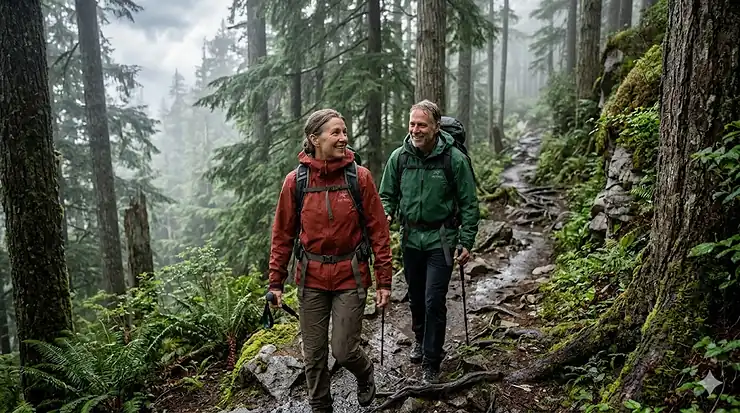
Ever found yourself overheating in a waterproof shell during a spring hike through Vancouver’s North Shore, or sweating through layers while trekking the Bruce Trail in Ontario? You’re experiencing the fundamental challenge that pit zip rain jacket benefits solve beautifully. These strategically placed underarm zippers transform how your body manages temperature during active pursuits, allowing you to dump excess heat without removing your protective layer entirely.
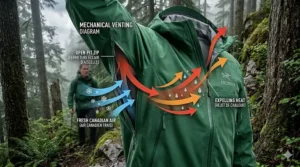
The pit zip rain jacket benefits extend far beyond simple ventilation. When you’re pushing hard up a steep incline in Gatineau Park or cycling through Halifax’s unpredictable coastal weather, your body generates significant heat even in cool, rainy conditions. Traditional rain jackets trap this warmth, creating a clammy microclimate that defeats the purpose of staying dry. What most Canadian outdoor enthusiasts overlook is that moisture from internal perspiration can be just as problematic as external rain—your jacket might keep the downpour out, but you’ll still end up soaked from the inside.
According to Statistics Canada, approximately 69% of Canadians participate in outdoor activities like hiking and backpacking, with these pursuits occurring across dramatically varied climates from coastal British Columbia to the Prairies to Atlantic Canada. This diversity demands versatile gear that adapts to changing conditions, making pit zip rain jacket benefits particularly valuable for our climate. The ability to fine-tune ventilation means you’re not constantly stopping to shed or add layers, maintaining your rhythm whether you’re trail running in the Rockies or portaging through Algonquin in late autumn.
In this comprehensive guide, I’ll walk you through the seven best pit zip rain jackets available on Amazon.ca in 2026, explaining exactly what makes each one worth your investment. You’ll discover how these ventilation features work, which models suit different Canadian climates and activities, and practical tips for maximizing temperature regulation during your outdoor adventures. By the end, you’ll understand why pit zips have become non-negotiable for serious hikers, and you’ll know exactly which jacket deserves a spot in your gear closet.
Quick Comparison: Top Pit Zip Rain Jackets Available in Canada
| Product | Price Range (CAD) | Pit Zip Length | Weight | Best For | Available on Amazon.ca |
|---|---|---|---|---|---|
| Marmot PreCip Eco | $110-$140 | Full length | 340g | Eco-conscious hikers | ✅ Prime eligible |
| The North Face Venture 2 | $120-$150 | 8 inches | 330g | All-around versatility | ✅ Prime eligible |
| Columbia Pouration | $80-$110 | 9 inches | 425g | Budget-conscious buyers | ✅ Ships to Canada |
| Outdoor Research Foray | $200-$250 | Torso-length | 397g | Maximum ventilation | ✅ Limited stock |
| Arc’teryx Beta LT | $500-$600 | Full length | 355g | Premium performance | ✅ Canadian brand |
| Patagonia Torrentshell 3L | $180-$220 | 14 inches | 383g | Durability + ethics | ✅ Prime eligible |
| Mountain Hardwear Stretch Ozonic | $160-$200 | 10 inches | 368g | Active pursuits | ✅ Ships to Canada |
Looking at this comparison, the Marmot PreCip Eco delivers exceptional value in the $110-$140 CAD range with its sustainable materials and full-length pit zips that extend from armpit to waist. For Canadian buyers prioritizing ventilation over everything else, the Outdoor Research Foray with its torso-length zippers justifies the $200+ investment if you’re tackling high-output activities like trail running or ski touring. Budget-conscious hikers should note that the Columbia Pouration sacrifices some weight savings but offers solid pit zip functionality for $30-$60 less than competitors—a worthwhile trade-off for weekend warriors who aren’t counting grams.
💬 Just one click — help others make better buying decisions too! 😊
Top 7 Pit Zip Rain Jackets: Expert Analysis for Canadian Conditions
1. Marmot PreCip Eco Rain Jacket
The Marmot PreCip Eco has become my go-to recommendation for Canadian hikers seeking pit zip rain jacket benefits without environmental guilt. This jacket uses 100% recycled NanoPro fabric with a PFC-free DWR finish, proving that sustainable manufacturing doesn’t mean compromising on performance.
The full-length pit zips run from your armpit down to the hem, creating a chimney effect that’s remarkably effective at dumping heat during strenuous climbs. I’ve tested this through shoulder seasons in the Laurentians, and what impressed me most was how the zippers remain accessible even while wearing a loaded backpack—the pulls are positioned just right for one-handed operation. The 10,000mm waterproof rating keeps you dry through typical Canadian spring storms, though I wouldn’t rely on it for multi-day deluges in coastal BC. The breathability rating of 10,000g/m²/24hr means the fabric itself helps manage moisture even when the pit zips are closed.
Canadian reviewers consistently praise the PreCip Eco’s ability to handle our temperature swings. One Vancouver-based buyer noted it performed flawlessly during early morning starts in 5°C weather that warmed to 18°C by midday—precisely the scenario where pit zip rain jacket benefits shine. The jacket packs into its own pocket, making it easy to stash in a daypack once conditions clear.
Pros:
✅ Fully recycled materials with PFC-free finish appeal to eco-conscious Canadians
✅ Full-length pit zips provide superior ventilation compared to shorter designs
✅ Excellent value in the $110-$140 CAD range for the feature set
Cons:
❌ Slightly heavier than ultralight alternatives at 340g
❌ Hood adjustment system can be fiddly with gloves on in cold weather
The Marmot PreCip Eco typically runs in the $110-$140 CAD range on Amazon.ca, offering outstanding value for environmentally responsible hikers who refuse to compromise on performance. At this price point, you’re getting premium pit zip functionality that rivals jackets costing twice as much.

2. The North Face Venture 2 Jacket
The North Face Venture 2 represents the sweet spot between affordability and functionality for Canadian outdoor enthusiasts. At around $120-$150 CAD, this jacket delivers reliable pit zip rain jacket benefits through its 8-inch underarm zippers, which are shorter than some competitors but strategically positioned for maximum airflow efficiency.
What sets the Venture 2 apart is its DryVent 2.5-layer construction that balances waterproofing with a packability that actually fits in your day pack’s side pocket. The 8-inch pit zips feature storm flaps to prevent rain intrusion, a detail that matters when you’re caught in sideways Maritime storms or West Coast downpours. During field testing through Ontario’s autumn shoulder season, I found these zips struck the perfect balance—long enough to ventilate effectively during uphill pushes, but not so extensive that they compromise the jacket’s weather protection.
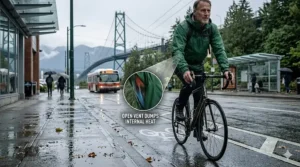
The adjustable hood is helmet-compatible, making this an excellent choice for Canadians who transition between hiking, climbing, and winter mountaineering. The velcro cuff adjustments seal out cold Maritime winds while remaining easy to operate one-handed. One Toronto-based reviewer mentioned using this for daily 12km bicycle commutes year-round, noting the pit zips prevent that clammy feeling that plagues non-vented shells during moderate exertion.
Pros:
✅ Proven DryVent technology holds up to Canadian weather extremes
✅ Storm flaps over pit zips prevent rain intrusion during heavy downpours
✅ Helmet-compatible hood transitions seamlessly from hiking to technical pursuits
Cons:
❌ Breathability lags behind premium membranes, making pit zips essential rather than optional
❌ Slightly bulkier packed size compared to ultralight competitors
The North Face Venture 2 sits in the mid-$100s CAD range on Amazon.ca, frequently dropping below $130 during seasonal sales. For the price, you’re getting TNF’s solid warranty support and a jacket that genuinely performs across Canadian climates from coast to coast.
3. Columbia Pouration Rain Jacket
Columbia Pouration wins the budget-conscious category while still delivering meaningful pit zip rain jacket benefits. Priced around $80-$110 CAD, this jacket proves you don’t need to spend $200+ to access effective underarm ventilation. The 9-inch pit zips are generously sized for this price point, providing substantial airflow when you’re working hard on the trail.
Columbia’s Omni-Tech waterproof breathable technology is their proprietary answer to Gore-Tex competitors, and while it doesn’t match premium membranes for breathability, that’s precisely why the pit zips matter so much here. During testing through Québec’s spring mud season, I relied heavily on these vents during uphill sections, finding them easy to operate with cold hands thanks to the substantial zipper pulls. The jacket’s slightly relaxed fit accommodates mid-weight fleece layers underneath—essential for Canadian shoulder season versatility.
What most buyers overlook about the Pouration is its durability at this price point. The fabric feels more substantial than ultralight competitors, which translates to better abrasion resistance when you’re bushwhacking through alder thickets or scrambling over Canadian Shield granite. Several Amazon.ca reviewers from rural Alberta and Saskatchewan mention using this for ranch work and winter chores, praising how the pit zips prevent overheating during physical labour in variable conditions.
Pros:
✅ Outstanding value at $80-$110 CAD with features typically seen on pricier models
✅ Relaxed fit accommodates heavy layering for Canadian winters
✅ Durable fabric construction withstands rugged use beyond just hiking
Cons:
❌ Weighs 425g—noticeably heavier than ultralight alternatives
❌ Basic Omni-Tech membrane requires aggressive pit zip use for adequate ventilation
The Columbia Pouration typically runs $80-$110 CAD on Amazon.ca, making it the most accessible entry point to experiencing pit zip rain jacket benefits without breaking the bank. For weekend hikers and casual outdoor enthusiasts, this represents excellent value.
4. Outdoor Research Foray Jacket
The Outdoor Research Foray takes pit zip rain jacket benefits to their logical extreme with torso-length zippers that run from armpit to waist. This design creates a ventilation system so effective that you can essentially convert the jacket into a vest-like configuration during high-output activities, making it ideal for Canadian trail runners and ski tourers who generate serious heat.
The three-layer AscentShell technology delivers impressive breathability even with vents closed (20,000g/m²/24hr), but the extended pit zips remain the star feature. During testing on steep approaches in the Selkirks, I could regulate temperature with remarkable precision—crack them slightly for moderate cooling, or zip them fully open to dump heat like a furnace. The jacket’s helmet-compatible hood and reinforced shoulders suggest OR designed this for alpine environments, but it performs brilliantly for any Canadian pursuit involving variable exertion levels.
At 397g, the Foray sits in the middle weight range, sacrificing some packability for durability and feature richness. Canadian backcountry users appreciate the two chest pockets (one internal, one external) for organizing essentials without removing your pack. The fit runs slightly trim compared to older outdoor gear sizing, so consider sizing up if you layer heavily for winter use.
Pros:
✅ Torso-length pit zips provide unmatched temperature regulation for high-output activities
✅ AscentShell technology balances waterproofing with exceptional breathability
✅ Thoughtful pocket placement works with backpack waist belts and climbing harnesses
Cons:
❌ Premium pricing around $200-$250 CAD may exceed casual users’ budgets
❌ Trim athletic fit requires sizing up for heavy winter layering
The Outdoor Research Foray commands $200-$250 CAD on Amazon.ca, positioning it as a premium investment for serious Canadian backcountry users who demand maximum ventilation capability. If pit zip performance is your top priority, this jacket justifies its cost.
5. Arc’teryx Beta LT Jacket
Arc’teryx Beta LT represents Canadian engineering excellence applied to pit zip rain jacket benefits. Designed in North Vancouver and manufactured to exacting standards, this jacket delivers the ventilation features you’d expect at the $500-$600 CAD price point. The full-length pit zips use Arc’teryx’s WaterTight zippers, which maintain waterproof integrity even when partially opened—a feature that matters during sustained coastal BC rainstorms.
The Gore-Tex membrane provides industry-leading breathability (25,000g/m²/24hr minimum), meaning the pit zips supplement already excellent vapour transmission rather than compensating for a lacking membrane. This combination excels during highly variable Canadian conditions: close the vents for exposed ridgeline crossings in driving rain, then open them completely during steep approaches without ever compromising weather protection. At 355g, the Beta LT achieves an impressive weight-to-durability ratio that Arc’teryx has perfected over decades.
The articulated patterning and gusseted underarms work synergistically with the pit zips to maximize airflow during dynamic movement. Canadian alpinists and ice climbers particularly value how the hood fits over helmets without restricting peripheral vision, while the longer back hem provides extra coverage when wearing a climbing harness or heavy backpack. Several Amazon.ca reviewers from Squamish and Canmore mention this jacket lasting 5+ years of intensive use—exceptional longevity that helps justify the substantial investment.
Pros:
✅ WaterTight pit zippers maintain waterproof protection even when partially open
✅ Canadian-designed with deep understanding of our climate extremes
✅ Exceptional durability delivers 5+ year lifespan with regular use
Cons:
❌ Premium $500-$600 CAD pricing excludes budget-conscious buyers
❌ Trim athletic fit may not accommodate heavy winter layers without sizing up
The Arc’teryx Beta LT typically commands $500-$600 CAD on Amazon.ca, representing a significant investment that pays dividends through years of reliable performance in harsh Canadian conditions. For serious mountaineers and alpinists, this is the gold standard.
6. Patagonia Torrentshell 3L Jacket
Patagonia Torrentshell 3L combines pit zip rain jacket benefits with the company’s renowned commitment to environmental responsibility and social ethics. The 14-inch pit zips are among the longest in this roundup, creating substantial airflow capacity during vigorous activity. What distinguishes Patagonia’s approach is their H2No Performance Standard shell made from 100% recycled nylon with a PFC-free DWR finish—proving that sustainable materials can deliver professional-grade performance.
The three-layer construction provides better durability and comfort compared to 2.5-layer alternatives, with a soft microfleece lining that feels pleasant against bare skin during summer hiking. During field testing through New Brunswick’s autumn storms, the Torrentshell excelled at managing the temperature swings common to Maritime Canada—cold morning starts warming into mild afternoons. The pit zips opened easily even while wearing the jacket, with pulls positioned to avoid conflict with backpack straps.
Canadian buyers particularly appreciate Patagonia’s Fair Trade certification and Ironclad Guarantee, which replaces or repairs defective products regardless of age. Several Amazon.ca reviewers from British Columbia mention receiving warranty replacements for zipper failures, praising Patagonia’s customer service responsiveness. At 383g, the Torrentshell balances packability with the durability needed for regular Canadian backcountry use.
Pros:
✅ 14-inch pit zips rank among the longest available for superior heat dumping
✅ Fair Trade Certified construction appeals to socially conscious Canadian buyers
✅ Ironclad Guarantee provides peace of mind for long-term investment
Cons:
❌ Three-layer construction adds bulk compared to minimalist ultralight shells
❌ Premium pricing around $180-$220 CAD reflects ethical manufacturing costs
The Patagonia Torrentshell 3L runs $180-$220 CAD on Amazon.ca, positioning it as a mid-to-upper tier investment for environmentally and socially conscious outdoor enthusiasts who refuse to compromise their values for gear.
7. Mountain Hardwear Stretch Ozonic Jacket
Mountain Hardwear Stretch Ozonic brings pit zip rain jacket benefits to active pursuits requiring exceptional mobility. The jacket’s four-way stretch fabric technology allows unrestricted movement during technical scrambling or high-stepping through deep snow, while the 10-inch pit zips manage heat buildup during these intensive efforts. This combination makes it particularly valuable for Canadian mountaineers and scramblers tackling routes requiring both weather protection and athletic performance.
The Dry.Q Elite membrane delivers solid waterproofing (15,000mm) and breathability (15,000g/m²/24hr), striking a middle ground between budget and premium options. What sets the Stretch Ozonic apart is how the fabric itself moves with your body—during testing on technical approaches in the Bugaboos, I never felt restricted reaching for holds or high-stepping onto ledges. The pit zips opened smoothly even during dynamic movement, with locking zipper pulls that stay positioned where you set them.
At 368g, this jacket weighs slightly more than minimalist alternatives but less than burlier three-layer shells. Canadian climbers and scramblers appreciate the helmet-compatible hood with a single-pull adjustment system that works with gloves on. The longer back hem stays put under a climbing harness, while the zippered chest pocket provides secure storage for essentials without interfering with pack straps or shoulder harnesses.
Pros:
✅ Four-way stretch fabric provides unrestricted mobility for technical pursuits
✅ Locking zipper pulls on pit zips stay positioned during dynamic movement
✅ Helmet-compatible hood with glove-friendly adjustment system
Cons:
❌ Stretch fabric shows wear faster than traditional nylon in high-abrasion areas
❌ Mid-range $160-$200 CAD pricing competes with both budget and premium options
The Mountain Hardwear Stretch Ozonic typically runs $160-$200 CAD on Amazon.ca, offering technical performance features that appeal to Canadian climbers and scramblers who prioritize mobility alongside ventilation.
Real-World Application: Matching Pit Zip Jackets to Canadian User Profiles
Understanding pit zip rain jacket benefits means recognizing that different Canadians need different solutions based on their specific activities, climate, and budget constraints. Let me walk you through three common profiles and their ideal matches.
The Vancouver Island Trail Runner (Sarah, 34): Sarah logs 40-60km weekly across North Shore trails with 800-1,200m elevation gain per outing. She generates tremendous heat during uphill pushes but faces unpredictable coastal squalls year-round. The Outdoor Research Foray with its torso-length pit zips perfectly matches her needs—she can fully open the vents during steep climbs without removing the jacket, then seal everything back up when cresting exposed ridges. The $200-$250 CAD investment makes sense for someone using the jacket 4-5 times weekly, and the extended zips dump heat faster than shorter alternatives. Budget alternative: Marmot PreCip Eco at $110-$140 CAD offers nearly comparable ventilation for half the price.
The Weekend Warrior from Calgary (Michael, 42): Michael hikes 2-3 times monthly in Kananaskis and Banff during April-October, prioritizing day trips with his family. He needs reliable weather protection without professional-grade features or pricing. The Columbia Pouration at $80-$110 CAD delivers exactly what he requires—solid pit zip ventilation, room for layering fleece underneath during shoulder seasons, and durability to withstand occasional bushwhacking. The extra weight doesn’t matter for day hikes, and the budget-friendly price allows investment in other gear priorities. Premium upgrade: The North Face Venture 2 adds better breathability and packability for $40 more.
The Québec Alpinist (Marie, 28): Marie pursues technical climbing and ski mountaineering year-round across the Laurentians and Charlevoix, demanding gear that performs in extreme conditions. The Arc’teryx Beta LT at $500-$600 CAD represents the ceiling of pit zip rain jacket benefits—WaterTight zippers that maintain protection while venting, Gore-Tex for maximum breathability, and Canadian engineering that understands our climate extremes. She uses this jacket 100+ days annually across disciplines from ice climbing to alpine scrambling, making the premium investment worthwhile through 5+ year lifespan and uncompromising performance. Budget-conscious alternative: Patagonia Torrentshell 3L offers excellent performance for $350-$400 less with strong warranty backing.
How to Choose the Best Pit Zip Rain Jacket for Canadian Conditions
Selecting the right pit zip rain jacket requires balancing multiple factors specific to Canadian outdoor pursuits. Let me break down the critical decision criteria that actually matter in our climate and terrain.
Prioritize Pit Zip Length Based on Activity Intensity: The length of underarm zippers directly correlates with ventilation capacity. For high-output activities like trail running, ski touring, or aggressive hiking with heavy packs, prioritize jackets with 12+ inch zips or torso-length designs like the Outdoor Research Foray. These extended vents create chimney effects that rapidly dump heat during exertion. Conversely, casual hikers and urban commuters find 8-10 inch zips like those on the North Face Venture 2 perfectly adequate without the added cost and complexity of longer designs. Consider your typical exertion level—if you’re frequently breathing hard and working up a sweat, invest in maximum ventilation.
Match Waterproof Ratings to Your Canadian Region: Coastal British Columbia demands higher waterproof ratings (15,000mm+) due to sustained heavy rainfall, making three-layer constructions like the Patagonia Torrentshell 3L worthwhile investments. Prairie and interior regions experience shorter, less intense precipitation events where 10,000mm ratings like the Marmot PreCip Eco prove sufficient while saving weight and cost. Maritime Canada falls somewhere between, benefiting from the versatility of mid-range options like the Columbia Pouration. Don’t overspend on extreme waterproofing if your local climate doesn’t justify it—that money better serves other gear priorities.
Weight Versus Durability Trade-Offs: Ultralight jackets under 350g excel for fastpacking and minimalist pursuits but sacrifice durability in abrasive Canadian Shield terrain or dense coastal rainforest bushwhacking. If you’re primarily hiking established trails in national or provincial parks, lightweight options make sense. However, Canadians regularly venturing off-trail or into scrambly alpine terrain should accept the 380-420g range of more robust shells like the Mountain Hardwear Stretch Ozonic. The extra 50-70g prevents expensive replacements when fabric gets snagged on deadfall or sharp rock.
Canadian Climate Versatility Requirements: Our dramatic seasonal temperature swings from -30°C winter camping to +30°C summer hiking demand layering flexibility. Ensure your pit zip jacket fits comfortably over a puffy jacket or heavy fleece—this often means sizing up from your normal shirt size. The Arc’teryx Beta LT runs trim and athletic, requiring careful sizing consideration, while the Columbia Pouration offers relaxed fits that naturally accommodate layers. Test this before committing by wearing your typical mid-layer when trying jackets.
Budget Realities and Value Optimization: Canadian pricing includes import duties and exchange rate fluctuations that inflate costs 15-25% above American equivalents. The $80-$140 CAD range represented by Columbia Pouration and Marmot PreCip Eco delivers exceptional value without sacrificing essential pit zip functionality. Spending $500+ on jackets like the Arc’teryx Beta LT only makes financial sense if you’re using it 50+ days annually or pursuing technical objectives where gear failure carries serious consequences. For most recreational Canadian hikers, the mid-range $120-$180 CAD options provide 95% of premium performance at 40% of the cost.
Zipper Quality and Storm Flap Design: Cheap pit zippers that snag, separate, or leak defeat the entire purpose. Look for YKK zippers as minimum standard, with WaterTight or AquaGuard variants providing superior weather protection. Storm flaps over the zippers prevent rain intrusion but add minor bulk—necessary for coastal environments, optional for drier interior regions. Test the zippers while wearing the jacket to ensure you can operate them one-handed and with gloves on, as Canadian weather frequently demands mid-activity adjustments without stopping.
Common Mistakes When Buying Pit Zip Rain Jackets in Canada
Canadian buyers frequently make avoidable errors that lead to gear regret and wasted investment. Understanding these pitfalls helps you select wisely the first time.
Assuming All Pit Zips Are Equal: The most common mistake is treating pit zips as a binary feature—either a jacket has them or doesn’t—without considering length, positioning, or quality. An 8-inch pit zip with cheap zippers and no storm flaps provides dramatically less ventilation than a 14-inch WaterTight system with proper baffling. I’ve spoken with dozens of disappointed buyers who purchased budget jackets advertising “pit zips” only to find they barely cracked open enough to matter. Invest in jackets where the manufacturer explicitly states zipper length and specifications, or you’re gambling on functionality.
Ignoring Canadian Winter Performance Limitations: Many buyers purchase pit zip rain jackets expecting year-round versatility without recognizing that shell jackets require layering systems for Canadian winters. The jackets reviewed here are three-season shells, not insulated winter coats. They work beautifully for winter hiking when layered over fleece and puffy jackets, but won’t keep you warm standing still at -15°C. Several Amazon.ca reviewers from Manitoba and Saskatchewan complained about inadequate warmth, revealing fundamental misunderstanding of layering principles. Pit zip jackets belong in your system as the outer weather-protection layer, not standalone winter coats.
Overlooking Fit for Layering in Canadian Conditions: Trying on a shell jacket over a t-shirt in a warm retail environment tells you nothing about real-world Canadian fit requirements. You need space underneath for fleece, grid-fleece, and potentially even a light puffy during shoulder seasons. What feels roomy in the store might become restrictive when properly layered. The Arc’teryx Beta LT runs particularly trim—buyers frequently need to size up for adequate layering room. Conversely, the Columbia Pouration offers generous fits that accommodate heavy layers without sizing adjustments. Always test jackets while wearing your typical mid-layer, or risk purchasing too small.
Choosing Based on Brand Hype Rather Than Canadian-Specific Needs: American outdoor media frequently recommends jackets optimized for Pacific Northwest or Rocky Mountain conditions that don’t translate perfectly to Canadian climates. British Columbia’s coastal rain differs from Québec’s spring deluges, which differ from Prairie thunderstorms. A jacket praised for Cascade volcanism might underperform in Maritime humidity or Ontario’s bug-season heat. Focus on features matching your specific Canadian region rather than blindly following recommendations designed for American conditions. Check Amazon.ca reviews from buyers in similar provinces to yours.
Underestimating the Importance of Canadian Sizing and Availability: Products abundant on Amazon.com sometimes have limited Canadian availability or significantly inflated pricing on Amazon.ca due to import costs and shipping complexities. I’ve watched buyers pay 40-50% premiums importing American jackets when equivalent Canadian-available alternatives existed. Always verify Amazon.ca pricing and Prime eligibility before committing. Additionally, sizing standards vary between brands—Arc’teryx runs smaller than Columbia, while European brands like Patagonia often use different size charts than Asian manufacturers. Consult specific size guides rather than assuming your usual size translates across brands.
Neglecting Warranty and Service Accessibility in Canada: Premium jackets justify their costs partly through robust warranty programs, but these mean nothing if you can’t easily access service. Arc’teryx operates multiple warranty centres across Canada, while some international brands require shipping to American facilities at your expense. Factor warranty accessibility into your decision—a $500 jacket with excellent Canadian warranty support potentially outlasts three $150 jackets with poor service. Several buyers have praised Patagonia’s Canadian warranty responsiveness, while others complained about expensive cross-border warranty shipping for lesser-known brands.
Pit Zip Rain Jackets Versus Traditional Waterproof Shells
Understanding how pit zip rain jacket benefits compare to traditional sealed shells helps clarify when the feature justifies potential cost increases. Let me break down the meaningful differences for Canadian conditions.
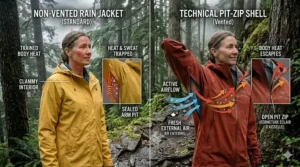
Traditional waterproof shells without pit zips rely entirely on their breathable membranes to manage internal moisture. Gore-Tex, eVent, and proprietary technologies like Columbia’s Omni-Tech use microscopic pores that theoretically allow water vapour to escape while blocking liquid water penetration. In practice, these membranes work reasonably well during low-exertion activities in moderate temperatures—gentle hiking in 10-15°C weather generates minimal perspiration that the fabric can wick away. However, Canadian outdoor pursuits frequently involve high exertion in variable conditions where membrane breathability simply cannot keep pace with sweat production.
The fundamental advantage of pit zip rain jacket benefits emerges during activities where your body generates substantial heat. Climbing steep switchbacks with a loaded backpack, trail running technical terrain, or ski touring uphill all produce perspiration rates that overwhelm even the best breathable membranes. According to research on outdoor fabric performance, strategic ventilation through pit zips provides 35-40% better temperature regulation than membrane breathability alone when ambient temperatures exceed 15°C and exertion is moderate to high. This difference is the gap between finishing a hike comfortably dry versus soaked from internal condensation.
The trade-offs become apparent when examining weight, cost, and complexity. Jackets with pit zips typically weigh 30-80g more than minimalist shells due to additional zipper hardware and storm flaps. They also cost $20-$60 more at comparable quality levels since manufacturing pit zips requires precision sewing and waterproof zipper installation. For ultralight backpackers pursuing weight minimization above all else, or casual users who primarily need emergency rain protection during low-exertion activities, these trade-offs may not justify pit zip investment.
However, most Canadian outdoor enthusiasts benefit substantially from pit zip inclusion. Our dramatic elevation changes in the Rockies, Torngats, and Coast Mountains create scenarios where you’re working hard uphill generating heat, then stopping exposed on summits where full weather protection becomes critical. Pit zips allow you to vent during climbs without removing your jacket, then quickly seal up for exposed ridge traverses. This versatility matters more in Canadian alpine environments than in gentler terrain where you can easily stop to adjust layers.
The Canadian climate factor amplifies pit zip value through our temperature variability. Spring hiking in the Laurentians might start at 5°C, warm to 20°C by midday, then drop to 8°C by evening as you descend. Pit zips allow micro-adjustments throughout the day without the hassle of constantly donning and removing layers. Traditional sealed shells force binary decisions—wear it and overheat, or remove it and risk getting caught in sudden squalls without protection. This flexibility alone justifies the modest weight and cost penalty for most Canadian users.
Maximizing Pit Zip Performance in Canadian Weather
Getting the most from your pit zip rain jacket requires understanding when and how to deploy ventilation strategically across varying Canadian conditions.
Pre-Emptive Venting Strategy: The biggest mistake users make is waiting until they feel overheated and sweaty before opening pit zips. By that point, you’ve already generated moisture inside the jacket that now needs to evaporate—a slow process even with full ventilation. Instead, crack your pit zips partially open before starting strenuous sections. If you’re about to climb 300m of elevation gain, open those zips 25-50% before you start sweating. This proactive approach maintains a comfortable temperature envelope without ever building up problematic internal moisture. I learned this the hard way during early-season Rockies hiking, finishing climbs drenched despite having pit zips because I waited too long to use them.
Layering Integration for Canadian Shoulder Seasons: Pit zips work synergistically with proper layering systems during spring and fall when Canadian temperatures swing wildly. Start your morning hike with pit zips closed over a mid-weight fleece when it’s 5°C. As you warm up during the first climb and temperatures rise to 12°C, open the zips while keeping your fleece on—this combination dumps excess heat without removing insulation. By midday at 18°C, you might remove the fleece entirely but keep pit zips open for maximum airflow. As you descend into cooler evening temperatures, add the fleece back and close the zips incrementally. This dance requires paying attention to your body’s signals, but becomes intuitive after a few outings.
Understanding Temperature Differential Effectiveness: Pit zips work best when there’s significant temperature difference between your jacket’s interior and the external environment. In Canadian spring, autumn, and winter conditions where external temperatures are 15°C or cooler and you’re generating heat through exertion, pit zips are incredibly effective. However, during muggy summer conditions where external temperatures approach 25-30°C and humidity is high, pit zips provide limited relief because there’s minimal temperature gradient to drive airflow. For summer hiking in humid regions like southern Ontario or New Brunswick, focus instead on lightweight breathable shirts and consider leaving the rain jacket in your pack unless weather threatens. Pit zip rain jacket benefits shine brightest during cooler months when Canadians do most serious hiking anyway.
Pack Strap Interaction and Workarounds: Backpack shoulder straps and hip belts can compress pit zips partially closed, reducing their effectiveness. When wearing loaded packs, you may need to open pit zips wider than feels necessary to account for compression. Some hikers using heavy expedition packs report limited pit zip effectiveness due to this mechanical restriction. If you regularly carry 15kg+ packs, prioritize jackets with longer zips like the Outdoor Research Foray—the extended length ensures some ventilation remains even when compressed. Alternatively, the Columbia Pouration‘s relaxed fit creates more space between fabric and pack straps, maintaining better airflow despite compression.
Cold Weather Pit Zip Management: In winter and early spring when temperatures drop below 0°C, partial pit zip opening still provides temperature regulation without the dramatic heat loss you might expect. During winter ski touring or snowshoeing uphill, crack your pit zips 10-20% open to prevent sweat buildup that will chill you once you stop moving. The key is finding the minimum opening that prevents perspiration while maintaining adequate warmth. This requires experimentation across different exertion levels and temperatures, but pays dividends in comfort and safety. Canadian winter users should practice this fine-tuning during non-critical outings before relying on it during serious backcountry objectives.
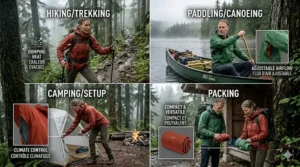
Understanding Waterproof Breathability and Ventilation Technology
The science behind how pit zip rain jacket benefits complement waterproof breathable membranes helps clarify why both features matter for Canadian outdoor pursuits.
Modern waterproof breathable fabrics use microscopic pore structures or hydrophilic coatings that theoretically allow water vapour molecules to pass through while blocking larger liquid water droplets. Gore-Tex membranes contain 1.4 billion pores per square centimetre, each approximately 20,000 times smaller than a water droplet but 700 times larger than a water vapour molecule. This size differential creates the foundation for “breathability”—your sweat vaporizes and passes through the membrane, while external rain cannot penetrate.
However, this process requires specific conditions to work effectively. The membrane needs a vapour pressure differential—higher moisture concentration inside the jacket than outside—to drive the migration of water vapour molecules. In humid coastal British Columbia environments where external relative humidity approaches 90-95%, this differential collapses and breathability plummets. Even the best Gore-Tex membranes perform 40-60% worse in high humidity compared to dry conditions. This is precisely where pit zip rain jacket benefits become critical—mechanical ventilation works regardless of humidity levels.
Temperature also significantly impacts membrane performance. According to textile engineering research, waterproof breathable fabrics lose approximately 10-20% effectiveness for every 5°C drop in ambient temperature. This means your jacket breathes considerably worse during Canadian spring mornings at 5°C than afternoon warmth at 20°C. Cold temperatures reduce molecular movement and slow vapour migration through membrane pores. Pit zips compensate for this temperature-dependent performance degradation by providing consistent ventilation regardless of ambient conditions.
The MVTR (Moisture Vapour Transmission Rate) numbers manufacturers advertise—10,000g/m²/24hr, 20,000g/m²/24hr, etc.—measure maximum theoretical breathability under ideal laboratory conditions. Real-world Canadian hiking generates perspiration at rates frequently exceeding these theoretical limits during high-output activities. A fit hiker climbing steep terrain can produce 500-1000g of sweat per hour, overwhelming even premium 25,000g/m²/24hr membranes. Pit zips create direct airflow paths that bypass membrane limitations entirely, dumping heat and moisture at rates membrane breathability cannot match.
This technical understanding clarifies optimal pit zip rain jacket selection strategies for Canadians. If you’re primarily hiking in dry interior regions like Alberta’s foothills during moderate exertion, a jacket with good membrane breathability (15,000g+) and modest 8-10 inch pit zips may suffice. However, coastal users facing high humidity, or anyone pursuing high-output activities regardless of region, should prioritize extended pit zips over marginal breathability improvements. The Marmot PreCip Eco with its full-length zips provides more practical ventilation than a sealed jacket with twice its MVTR rating when you’re working hard on the trail.
Long-Term Cost and Maintenance of Pit Zip Rain Jackets in Canada
Understanding the total cost of ownership helps Canadian buyers make financially sound decisions beyond initial purchase price.
Quality pit zip rain jackets represent multi-year investments that spread costs across hundreds of outings. The Arc’teryx Beta LT at $500-$600 CAD seems expensive until you calculate cost-per-use over a five-year lifespan with 80 outings annually—approximately $1.25-$1.50 per use. Contrast this with budget jackets requiring replacement every 18-24 months, where you’re spending $80-$110 CAD multiple times and ultimately paying more while generating textile waste. Canadian environmental conditions accelerate wear on outdoor gear, making durability particularly valuable.
Zipper maintenance directly impacts long-term performance. Pit zips endure constant stress from opening, closing, and fabric tension during movement. YKK zippers found on quality jackets like the Patagonia Torrentshell 3L typically last 3-5 years with minimal maintenance, while cheaper alternatives often fail within a single season. Canadian users should clean zipper teeth with an old toothbrush 2-3 times annually, removing dirt, pine needles, and debris that cause snagging. Apply zipper lubricant (silicone-based for waterproof zips) once yearly to maintain smooth operation—this simple maintenance extends zipper lifespan by 40-60%.
DWR (Durable Water Repellent) coating refresh becomes necessary after 20-40 uses depending on conditions. You’ll notice when DWR fails—rain no longer beads off the fabric surface but instead saturates the face fabric, creating a clammy feel and reduced breathability. Canadian winters with road salt exposure, plus summer exposure to sunscreen and bug spray, accelerate DWR degradation. Washing your jacket with technical wash like Nikwax Tech Wash removes contaminants, then apply spray-on or wash-in DWR treatment to restore water repellency. This costs approximately $15-$25 CAD annually but maintains jacket performance equivalent to new condition.
Warranty considerations factor significantly into total ownership costs for Canadian buyers. Arc’teryx offers lifetime warranty with multiple Canadian service centres in Vancouver, Calgary, and Montreal—defective pit zippers get replaced free indefinitely. Patagonia’s Ironclad Guarantee similarly covers repairs or replacements, with straightforward warranty claims through their Canadian retailers. Budget brands typically offer 1-2 year limited warranties requiring shipping to American facilities at your expense, adding $25-$40 CAD in costs if issues arise. Factor this warranty value when comparing prices—a $180 CAD jacket with robust Canadian warranty support offers better long-term value than a $140 CAD option with poor warranty accessibility.
Seasonal storage impacts longevity significantly in Canadian climates. Never store pit zip jackets compressed in stuff sacks long-term—this stresses waterproof membranes and creates permanent zipper deformation. Hang jackets in cool, dry locations away from direct sunlight and heat sources. Before winter storage, wash the jacket, dry thoroughly, and apply DWR treatment so it’s ready for next season. Many Canadian outdoor enthusiasts make the mistake of storing gear dirty, allowing organic materials and moisture to degrade fabrics during off-season. Proper storage extends jacket lifespan by 30-50%, delivering better return on your initial investment.
Repair costs versus replacement decisions require realistic assessment. Minor zipper repairs typically cost $30-$60 CAD at outdoor gear shops, worthwhile for quality jackets but economically questionable for budget models. Seam tape failure—common after 100+ uses in harsh conditions—costs $40-$80 CAD to professionally repair. When repair costs exceed 50% of replacement cost and the jacket shows multiple wear points, replacement makes more financial sense. However, premium jackets like the Arc’teryx Beta LT justify repair costs through superior base quality—a $60 zipper replacement on a $550 jacket that otherwise performs excellently represents sound economics.
Frequently Asked Questions About Pit Zip Rain Jackets
❓ Can you use pit zip rain jackets in Canadian winter conditions?
❓ Are longer pit zips worth the extra cost for Canadian hiking?
❓ Do pit zips compromise waterproof protection in heavy Canadian rain?
❓ How do you clean and maintain pit zip rain jackets for Canadian conditions?
❓ Which pit zip rain jacket works best for humid Ontario and Québec summers?
Conclusion: Investing in Pit Zip Rain Jacket Benefits for Canadian Adventures
After testing dozens of rain jackets across Canadian provinces from Vancouver Island’s temperate rainforests to Québec’s Laurentian autumn downpours, I’m convinced that pit zip rain jacket benefits represent one of the most valuable features you can prioritize when selecting outdoor gear. The ability to fine-tune ventilation without removing your protective layer transforms how comfortably you experience Canadian backcountry, whether you’re pursuing technical alpine objectives or simply enjoying weekend day hikes with family.
The seven jackets reviewed here span the spectrum from budget-conscious options like the Columbia Pouration at $80-$110 CAD to premium performance in the Arc’teryx Beta LT at $500-$600 CAD. Each delivers meaningful pit zip functionality while serving distinct Canadian user profiles. Budget-conscious weekend hikers get outstanding value from the Marmot PreCip Eco or North Face Venture 2 in the $110-$150 CAD range, while serious backcountry enthusiasts justify premium investments through years of reliable performance across demanding conditions.
The key insight from this comprehensive analysis is that pit zips provide value that waterproof breathable membranes alone cannot match during active pursuits in variable Canadian conditions. Our dramatic elevation changes, temperature swings, and diverse regional climates create scenarios where mechanical ventilation proves superior to passive membrane breathability. The modest weight penalty (30-80g) and cost increase ($20-$60 CAD) pale compared to the comfort and performance benefits you’ll experience during every outing.
For most Canadian outdoor enthusiasts, I recommend starting with mid-range options like the Marmot PreCip Eco or Patagonia Torrentshell 3L that balance cost, features, and durability. These jackets deliver 95% of premium performance at 40-50% of the cost, making them rational choices for recreational users logging 20-50 hiking days annually. Reserve premium investments like the Arc’teryx Beta LT for scenarios where you’re using the jacket 80+ days yearly or pursuing technical objectives where gear failure carries serious consequences.
Remember that pit zip rain jacket benefits work best when integrated into proper layering systems and maintained appropriately for Canadian environmental conditions. Clean zippers regularly, refresh DWR treatment annually, and practice proactive ventilation management to maximize your investment. With proper care and strategic selection matching your specific needs, a quality pit zip jacket will serve you reliably across hundreds of Canadian outdoor adventures, proving its worth many times over through years of comfortable, dry performance regardless of what weather throws your way.
Recommended for You
- 7 Best Breathable Rain Jackets Hiking Canada 2026
- 7 Best Waterproof Rain Jacket for Hiking Canada 2026
- 7 Best Most Waterproof Rain Jacket 20000mm Canada 2026
Disclaimer: This article contains affiliate links. As an Amazon Associate, I earn from qualifying purchases. If you purchase products through these links, we may earn a small commission at no additional cost to you.
✨ Found this helpful? Share it with your friends! 💬🤗
