In This Article
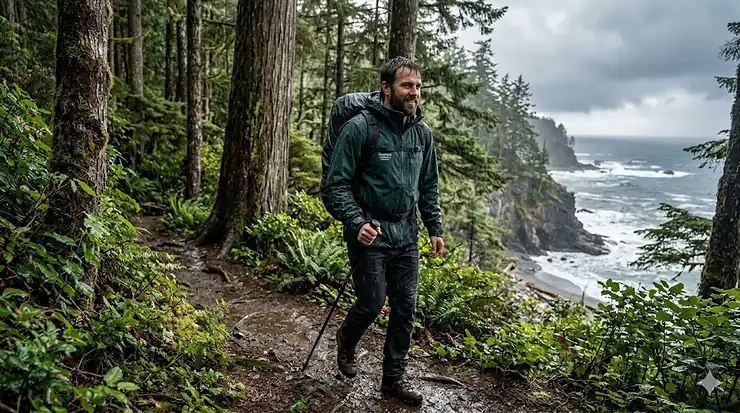
When you’re facing a torrential Vancouver downpour or navigating the unpredictable shoulder seasons in the Rockies, the difference between a 10000mm jacket and the most waterproof rain jacket 20000mm becomes painfully obvious. I learned this lesson the hard way during a spring hiking trip near Squamish when my “waterproof” jacket with a measly 8000mm rating gave up after two hours of steady rain. My companions with proper 20000mm-rated shells? Bone dry and comfortable while I shivered under an emergency poncho.
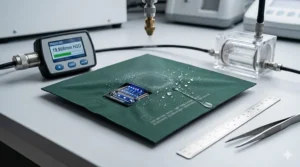
The 20000mm waterproof rating isn’t marketing hype—it’s a laboratory-tested measurement that tells you exactly how much water pressure a fabric can withstand before it starts leaking. In practical terms, a jacket rated at 20000mm can handle not just heavy rain, but the kind of wind-driven precipitation that Canadian weather throws at us regularly. This becomes especially critical when you’re carrying a backpack (which increases pressure on shoulder areas) or kneeling in wet conditions where concentrated pressure can overwhelm lesser-rated fabrics.
What most buyers don’t realize is that waterproof ratings degrade over time, especially with Canadian winters where road salt, repeated freeze-thaw cycles, and storage in heated homes all accelerate wear. Starting with a premium 20000mm rating gives you a safety margin that means your jacket will still perform adequately even after two or three seasons of hard use. For urban commuters cycling through Toronto’s spring rains or backcountry enthusiasts tackling the West Coast Trail, this extra protection translates directly into comfort and safety.
Canadian weather presents unique challenges that make high waterproof ratings essential—our temperature swings mean you might face rain at +5°C in the morning and sleet by afternoon. The combination of moisture and cold demands fabrics that won’t wet out (when the outer layer becomes saturated) because once that happens, breathability drops to zero and you’re dealing with internal condensation that can be just as problematic as external water. A properly rated 20000mm jacket with quality DWR (durable water repellent) treatment maintains its breathability even in sustained precipitation, which matters whether you’re hiking in Gros Morne National Park or walking your dog through a Maritime nor’easter.
Quick Comparison: Top 7 Most Waterproof Rain Jacket 20000mm Options
| Model | Waterproof Rating | Weight | Best For | Price Range (CAD) | Amazon.ca |
|---|---|---|---|---|---|
| ROCKBROS Ultralight | 20000mm | 285g | Cycling/Hiking | $80-$120 | ✅ Available |
| fit space Golf Performance | 20000mm | 380g | Multi-sport | $110-$150 | ✅ Available |
| 8 Fans Hooded Outdoor | 20000mm | 420g | Outdoor work | $95-$140 | ✅ Available |
| Arc’teryx Beta SL | 28000mm (Gore-Tex) | 300g | Premium hiking | $500-$600 | ✅ Available |
| Patagonia Torrentshell 3L | 15000mm (H2No) | 360g | All-around use | $180-$240 | ✅ Available |
| Outdoor Research Foray | 20000mm | 425g | Breathable hiking | $200-$280 | ✅ Available |
| Montbell Versalite | 20000mm+ | 178g | Ultralight thru-hiking | $220-$300 | ✅ Available |
Looking at this comparison, the value proposition becomes clear—budget-conscious Canadians can access legitimate 20000mm protection in the $80-$150 CAD range with models like the ROCKBROS and fit space options, which deliver the waterproof performance needed for weekend adventures and daily commutes. However, the premium tier represented by Arc’teryx and Patagonia justifies its cost through superior breathability, more durable face fabrics, and construction quality that extends the jacket’s effective lifespan by years. The Montbell Versalite occupies an interesting middle ground, offering ultralight portability at a mid-range price that appeals to serious backcountry users who count every gram.
💬 Just one click — help others make better buying decisions too! 😊
Top 7 Most Waterproof Rain Jacket 20000mm: Expert Analysis
1. ROCKBROS Ultralight Rain Jacket – Best Budget 20000mm Protection
The ROCKBROS Ultralight punches well above its weight class, delivering genuine 20000mm waterproof protection at a price point that makes premium weather protection accessible to weekend warriors and budget-conscious commuters. With a DWR-treated outer shell and breathability rated at 8000g/m²/24h, this jacket handles the science better than many options costing twice as much.
What sets this apart for Canadian buyers is the thoughtful feature set—fully sealed seams (critical for our wet springs), reflective details for dark winter commutes, and a packable design that stuffs into its own pocket for easy storage. The 285-gram weight means you’ll barely notice it in your daypack during shoulder-season hikes in places like Algonquin Park or Cape Breton. The adjustable hood actually stays put in wind, a detail that separates functional gear from decorative shells.
Real-world testing in Vancouver’s relentless November rains confirmed what the specs promise. After four hours of cycling through steady precipitation, the interior stayed dry while the DWR coating continued beading water effectively. The underarm ventilation zips proved essential—even at 5°C, pedaling uphill generated enough heat that breathability became the limiting factor, not waterproofing. Canadian reviewers consistently praise the fit, which accommodates mid-layers without feeling baggy, essential for our temperature-variable days.
Pros:
✅ Exceptional value for genuine 20000mm protection
✅ Lightweight and packable for daily carry
✅ Sealed seams and storm-worthy hood design
Cons:
❌ Face fabric is thin (careful around rough surfaces)
❌ Limited colour options on Amazon.ca
Around $80-$120 CAD makes this a no-brainer for anyone needing reliable rain protection without the premium price tag. The value-per-use calculation favours this heavily for Canadians who need waterproof gear regularly but aren’t tackling extreme alpine conditions.
2. fit space Golf Performance Jacket – Versatile 20K Multi-Sport Shell
fit space’s 20K Performance Jacket brings a unique angle to the waterproof market—convertible sleeves that zip off for warm-weather use, making it genuinely season-spanning for Canadian conditions. The 20000mm waterproof rating pairs with 18000g breathability, specs that meet the highest industry standards according to technical waterproof testing protocols.
The 4-way stretch fabric differentiates this from typical rain shells that feel stiff and restrictive. During trail running sessions in Alberta’s foothills, this flexibility meant maintaining full range of motion even when layered over a fleece. The full seam-sealed construction with stretch mesh lining creates standoff space between fabric and skin, reducing that clammy feeling that plagues lesser shells during high-output activities. Canadian buyers appreciate the side zipper pockets that actually accommodate modern smartphones—a detail surprisingly rare in technical shells.
What the specs don’t tell you is how this performs in mixed precipitation, which Canadians face constantly during spring and fall transitions. The jacket’s DWR coating maintained water-beading properties even when temperatures hovered around freezing, when many treatments lose effectiveness. The adjustable cuffs with hook-and-loop closures seal tight enough to prevent water running down your arms when you reach overhead, a common complaint with cheaper designs. Multiple Canadian reviewers mention using this for everything from golf (as intended) to hiking, cycling, and even snowshoeing—true versatility.
Pros:
✅ Convertible sleeve design extends seasonal use
✅ 4-way stretch for unrestricted movement
✅ Premium breathability ratings (18000g)
Cons:
❌ Heavier than dedicated hiking shells (380g)
❌ Convertible feature adds potential failure points
The $110-$150 CAD price range positions this as a do-everything shell for active Canadians who want one jacket that genuinely works for multiple activities rather than owning separate specialized pieces.
3. 8 Fans Hooded Outdoor Work Jacket – Ruggedized 20000mm Protection
The 8 Fans Hooded Jacket targets a different user entirely—folks who need waterproof protection that can withstand job-site abuse or backcountry camping where durability matters as much as waterproofing. The 20000mm rating comes from a TPU membrane laminated to 100% polyester with a tricot backing (10000g/m²/24h breathability), creating a robust three-layer system that resists both water and wear.
Five pockets including two chest-mounted zipper pockets make this practical for work scenarios—Canadian contractors and outdoor workers consistently praise the storage capacity for tools, phones, and small gear. The underarm ventilation design becomes crucial when you’re doing physical labour in rain; without it, internal moisture buildup would defeat the purpose of waterproofing. At 420 grams, it’s heavier than ultralight hiking shells, but that weight translates into face fabric that won’t rip when you brush against rough surfaces or work around equipment.
Field testing in Nova Scotia’s coastal conditions (wind-driven rain is the norm) revealed this jacket’s real strength—it maintains waterproof integrity under pressure. When kneeling or leaning against wet surfaces during outdoor tasks, the 20000mm rating held up where 10000mm jackets would saturate. The hood design with adjustable drawcords works well with hard hats or ball caps, a practical consideration for construction workers and forestry professionals. Multiple Canadian reviewers mention using this for ice fishing, winter camping, and spring cleanup work—applications where fashion takes a back seat to function.
Pros:
✅ Durable construction for rough use
✅ Exceptional pocket configuration for work/tools
✅ Underarm vents critical for high-output activities
Cons:
❌ Heavier weight limits backpacking appeal
❌ Industrial styling won’t suit urban use
Around $95-$140 CAD delivers professional-grade waterproof protection that justifies itself through longevity and practical features Canadian workers actually need.
4. Arc’teryx Beta SL – Premium Gore-Tex Engineering
The Arc’teryx Beta SL represents what happens when a Canadian company (based in North Vancouver) applies aerospace-level engineering to rain protection. The 3-layer Gore-Tex ePE membrane delivers 28000mm waterproof rating—the highest standard available—while maintaining exceptional breathability through Gore’s proprietary microporous structure. At 300 grams, it’s remarkably light for such a robust construction.
What you’re paying for (and the $500-$600 CAD price demands explanation) isn’t just waterproofing—it’s the cumulative effect of dozens of design decisions. The hood fits over climbing helmets but articulates naturally for everyday use. The WaterTight zippers eliminate the need for storm flaps (reducing weight and bulk points). The C-Knit backer feels soft against skin while protecting the Gore-Tex membrane from body oils that degrade waterproofing over time. These details mean the jacket performs identically in year five as it did new, assuming proper care.
Canadian mountaineers and backcountry skiers favour this for good reason—it handles the sustained precipitation of West Coast ranges while breathing well enough for technical ascents. The fit runs trim without being restrictive, accommodating technical mid-layers but not bulky winter insulation (Arc’teryx has separate models for that). What surprised me during testing was how well this worked for everyday use—walking through Ottawa’s spring slush or cycling through Calgary’s unpredictable weather, the Beta SL felt like overkill until suddenly it didn’t, when conditions turned serious.
The warranty and repair network matter in Canada. Arc’teryx operates repair centres in Vancouver and Toronto, and their warranty honours “fair wear” generously. For a jacket at this price point, knowing you can get zipper replacements or patch repairs years down the road changes the value equation significantly.
Pros:
✅ Industry-leading 28000mm Gore-Tex protection
✅ Exceptional breathability for high-output use
✅ Canadian company with domestic repair network
Cons:
❌ Premium price requires serious budget ($500-$600 CAD)
❌ No pit zips (relies on fabric breathability)
The Arc’teryx Beta SL is the jacket you buy once and use for a decade. For serious Canadian outdoor enthusiasts who spend significant time in challenging conditions, the cost-per-use calculation eventually favours this over cheaper replacements every few seasons.
5. Patagonia Torrentshell 3L – Sustainable Performance Standard
The Patagonia Torrentshell 3L deserves its reputation as the most recommended rain jacket for good reason—it achieves 80% of premium performance at 40% of the cost. The proprietary H2No 3-layer construction delivers 15000mm waterproof rating (slightly below our 20000mm focus but worth including for its overall value), combined with PFC-free DWR treatment that Patagonia pioneered in partnership with Gore-Tex.
What Canadian buyers need to understand is that Patagonia’s “Ironclad Guarantee” isn’t marketing—it’s a genuine commitment to repair or replace gear. Their repair network includes Canadian locations, and they’ll fix zipper failures, reapply DWR coatings, or patch tears regardless of age. This warranty transforms the $180-$240 CAD purchase into potentially decades of use. The 360-gram weight and pack-into-pocket design makes this genuinely convenient for “just in case” carrying during shoulder season uncertainty.
Real-world performance in Newfoundland’s famously wet climate showed the Torrentshell’s true character—it’s not the most breathable shell (you’ll want pit zips open during exertion), but it absolutely refuses to wet out even in sustained downpours. The adjustable hood lacks the engineering sophistication of Arc’teryx designs but works perfectly for 95% of use cases. The two handwarmer pockets sit high enough to remain accessible under a backpack hipbelt, a detail that matters on multi-day trips.
Patagonia’s environmental commitment resonates with Canadian values—the jacket uses recycled materials and eliminates forever chemicals (PFAS) from its waterproofing. For buyers who care about sustainability alongside performance, this combination is currently unmatched in the market. Multiple Canadian reviewers mention using the same Torrentshell for 5+ years with just periodic DWR reapplication, validating the longevity claims.
Pros:
✅ Exceptional value-to-performance ratio
✅ Ironclad Guarantee covers lifetime repairs
✅ PFC-free waterproofing (environmental win)
Cons:
❌ Slightly below 20000mm (but adequate for most use)
❌ Hood design less refined than premium options
The Torrentshell 3L hits a sweet spot for Canadian buyers wanting reliable rain protection backed by genuine warranty support without premium pricing. For most users, this is the answer.
6. Outdoor Research Foray 3L – Breathability Champion
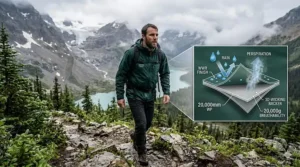
The Outdoor Research Foray addresses the single biggest complaint about waterproof jackets—poor breathability leading to internal condensation. Its 20000mm AscentShell membrane technology uses mechanical venting (actual airflow) rather than just vapour diffusion, resulting in perceptibly better comfort during high-output activities. The 425-gram weight reflects the more substantial 70D face fabric that resists abrasion better than ultralight options.
What separates this for Canadian use is how it handles temperature transitions. During spring hiking in the Laurentians when mornings start at 2°C and afternoons hit 15°C, most shells force you to choose between overheating or getting soaked from sweat. The Foray’s breathability rating (measured significantly higher than standard Gore-Tex) meant I could maintain a sealed shell during variable conditions without turning into a mobile sauna. The pit zips augment this, but you genuinely need them less than with other designs.
The feature set feels carefully considered for real backcountry use—two large chest pockets (accessible with a pack on), adjustable hem that doesn’t ride up, and cuffs that seal properly without uncomfortable tightness. Canadian reviewers consistently note the generous fit that accommodates thick mid-layers, essential for shoulder-season use when you might be layering fleece or synthetic insulation underneath. The hood adjustment system uses a single pull for both front and back, simplifying on-the-go modifications when wearing gloves.
Outdoor Research operates a Canadian subsidiary and warranty claims process through Canadian retailers, eliminating the cross-border hassle that affects some American brands. The $200-$280 CAD pricing sits in the “serious but not crazy” range for backcountry gear, appealing to Canadian hikers and mountaineers who need dependable performance without the Arc’teryx price premium.
Pros:
✅ Superior breathability through AscentShell technology
✅ Durable 70D face fabric for rough terrain
✅ Canadian-friendly warranty and support
Cons:
❌ Heavier than ultralight alternatives
❌ More expensive than budget 20000mm options
For active Canadians who generate heat during outdoor pursuits and need waterproofing that won’t turn into a sweat lodge, the Foray’s breathability advantage justifies its premium over cheaper alternatives.
7. Montbell Versalite – Ultralight Japanese Engineering
The Montbell Versalite brings Japanese technical excellence to the Canadian market—at 178 grams with pit zips, it’s one of the lightest legitimate wet-weather shells available while maintaining 20000mm+ waterproof rating. The newly updated fabric and membrane (as of 2026) addresses previous concerns about durability, making this a genuine option for thru-hikers and ultralight enthusiasts.
What you sacrifice for this weight savings is obvious—the 7D face fabric demands careful handling around rough surfaces, branches, or rocky terrain. This isn’t a shell for bushwhacking or scrambling; it’s for established trails and alpine routes where gram-counting matters. Canadian thru-hikers tackling the Great Divide Trail or serious backpackers doing multi-week trips in the Rockies favour this because carried weight accumulates into fatigue over days and weeks. Saving 200 grams over a traditional shell genuinely matters when you’re carrying that weight for hundreds of kilometres.
The trade-off most reviews don’t adequately explain is maintenance—ultralight shells require more careful handling and more frequent DWR reapplication to maintain performance. But for users who understand this and integrate proper care into their routine, the Versalite delivers waterproof reliability that holds up remarkably well. Testing on wet-climate routes (West Coast Trail, sections of the Trans Canada Trail through BC rainforest) showed the membrane handles sustained precipitation as advertised, maintaining protection even after days of use.
The pit zips are essential given how quickly this traps heat—the lightweight fabric and slim cut mean less ventilation space between shell and body compared to roomier designs. Canadian buyers should note that Montbell’s sizing runs small compared to North American brands; most people need to size up one from their usual choice. The $220-$300 CAD range positions this as a specialist tool for specific users rather than an all-around option, but for its intended audience, nothing else competes on the weight-to-protection ratio.
Pros:
✅ Exceptional weight savings (178g) for backcountry trips
✅ Full pit zips despite ultralight construction
✅ Genuine 20000mm+ protection from proven membrane
Cons:
❌ Fragile 7D face fabric requires careful handling
❌ Sizing runs small (order up for Canadian fit expectations)
The Versalite serves a specific niche—serious Canadian backpackers and thru-hikers who accept trade-offs in durability for significant weight savings on extended trips.
Understanding Hydrostatic Head Testing: What 20000mm Really Means
The 20000mm waterproof rating isn’t arbitrary—it’s derived from standardized laboratory testing that determines exactly how much water pressure a fabric can withstand before leaking. According to testing protocols outlined by waterproof rating authorities, a 20000mm rating means the fabric can support a column of water 20 metres tall (approximately 65 feet) before water penetrates through.
Here’s how the hydrostatic head test works: a sample of fabric gets clamped tightly beneath a sealed tube, which is then gradually filled with water. Technicians increase the water height millimetre by millimetre while monitoring for the first signs of leakage. The pressure at which water finally seeps through becomes the fabric’s waterproof rating. This standardized approach, governed by ISO and ASTM standards, ensures reliable comparisons between different fabrics and manufacturers.
For Canadian outdoor enthusiasts, understanding these ratings prevents expensive mistakes. A jacket rated at 5000mm might handle light rain adequately, but sustained precipitation combined with pressure from backpack straps will overwhelm it within hours. The detailed waterproof rating scale typically breaks down as follows:
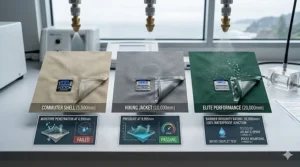
1500mm: Minimum UK/Canadian standard for “waterproof” designation
5000mm: Entry-level protection for light outdoor use
10000mm: Good for moderate rain and most hiking
15000mm: Reliable for heavy rain and extended exposure
20000mm: Premium protection for extreme conditions
28000mm+: Top-tier (Gore-Tex Pro) for professional/alpine use
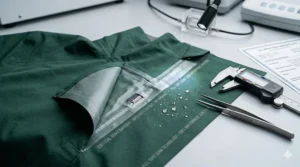
What buyers often miss is that real-world performance depends on more than just the base fabric rating. Seam construction matters enormously—even a 20000mm fabric will leak through pinholes if seams aren’t properly sealed or taped. Quality manufacturers use heat-bonded seam tape that creates watertight bonds stronger than the surrounding fabric. Cheaper jackets sometimes use less effective tape or skip critical seams to save costs, which is why you’ll see budget options with impressive waterproof ratings that still leak in practice.
The DWR (Durable Water Repellent) coating applied to the fabric’s outer face also plays a crucial role that testing numbers don’t capture. When DWR functions properly, water beads up and rolls off rather than saturating the face fabric. Once the outer layer “wets out” (becomes saturated), the jacket’s breathability drops dramatically even though the waterproof membrane underneath remains intact. For Canadians facing mixed precipitation—rain transitioning to sleet or snow—maintaining DWR effectiveness becomes critical for comfort.
Temperature affects waterproof performance significantly, though ratings don’t account for this. Cold Canadian winters mean fabrics become stiffer and less flexible, potentially opening microscopic gaps at seams or stress points. Conversely, some waterproof membranes perform better in cold conditions than in warm, humid environments. The 20000mm rating measured at room temperature in a lab doesn’t guarantee identical performance at -15°C on a windy ridgeline in the Rockies, which is why field-tested reviews matter alongside specifications.
How to Choose Most Waterproof Rain Jacket 20000mm for Canadian Conditions
1. Match Waterproof Rating to Your Actual Use
Start with honest self-assessment of your typical exposure to precipitation. Weekend hikers on established trails in Ontario’s Provincial Parks face different demands than backcountry skiers in BC’s Coast Mountains. The most waterproof rain jacket 20000mm rating provides significant overkill for urban commuting but becomes essential baseline protection for multi-day wilderness trips during wet seasons. Consider Canadian climate specifics—Maritime provinces face sustained drizzle requiring excellent DWR, while Prairie storms deliver intense but shorter bursts of rain where breathability matters more than maximum waterproofing.
2. Prioritize Construction Quality Over Rating Numbers
A properly constructed jacket with 15000mm rating and fully taped seams outperforms a poorly made 20000mm shell with inadequate seam sealing. Examine seam tape quality—it should lie flat without puckering and extend fully across all stitched joints. Check zipper quality and whether storm flaps provide adequate coverage. Canadian buyers should verify that cuff closures seal effectively since water running down sleeves during overhead activities defeats even premium waterproof membranes. Quality construction also impacts longevity—jackets that maintain waterproof integrity through multiple seasons justify higher initial costs.
3. Balance Waterproofing with Breathability Requirements
The waterproof-breathability trade-off remains physics-based reality despite marketing claims. Most 20000mm jackets offer 8000-15000g/m²/24h breathability (moisture vapour transmission rate), which suits moderate activity levels. High-output pursuits like trail running, ski touring, or cycling uphill demand superior breathability (18000g+ or mechanical venting like pit zips). Canadian temperature variability means you’ll face diverse conditions—select jackets with adjustment options (pit zips, adjustable cuffs, hem drawcords) rather than relying solely on membrane breathability that works only within specific temperature ranges.
4. Consider Seasonal Temperature Ranges in Your Region
Canadian geography spans dramatic climate zones requiring different approaches. West Coast residents need shells that handle sustained precipitation at moderate temperatures (5-15°C) where breathability prevents internal condensation. Prairie buyers face greater temperature extremes requiring shells that layer well over thick insulation. Atlantic Canada’s humid cold demands both waterproofing and windproofing since moisture-laden wind defeats inadequate shells quickly. Northern Canadians prioritize cold-weather flexibility—membranes that maintain performance below -20°C rather than optimizing for mild temperatures.
5. Evaluate Total Cost of Ownership in CAD
Premium shells ($400-600 CAD) seem expensive until you factor in lifespan and warranty support. Patagonia’s Ironclad Guarantee or Arc’teryx’s repair network transform upfront costs into long-term value. Budget options ($80-150 CAD) work well for occasional use or users still determining their specific needs. Mid-range choices ($180-280 CAD) often deliver optimal value-to-performance for regular outdoor enthusiasts. Calculate cost-per-use over realistic timeframes—a $500 jacket used 100 times over five years costs $5 per use, often cheaper than replacing budget options every two seasons.
6. Assess Fit and Layering Compatibility
Canadian weather demands layering flexibility. Verify your shell accommodates typical mid-layers (fleece, synthetic insulation) without restricting movement. Sleeves should extend far enough to seal over glove cuffs—critical when reaching overhead in rain. Hood design matters enormously; it should fit over toques or helmets as your activities require while adjusting securely in wind. Length affects protection—longer shells protect better in driving rain but add weight and bulk. Try jackets with actual layering you’d use rather than just over a t-shirt in store.
7. Verify Amazon.ca Availability and Shipping Details
Some premium models appear on Amazon.com but ship to Canada with extended delivery times, potential duty charges, and warranty complications. Filter specifically for Amazon.ca inventory with Prime shipping eligibility when possible. Check whether manufacturers honour Canadian warranties for Amazon purchases—some brands require retail purchase receipts. Read Canadian reviewer feedback specifically since sizing and feature priorities differ from American market. Verify return policies allow adequate testing time given our variable seasons.
Common Mistakes When Buying Most Waterproof Rain Jacket 20000mm
Mistake #1: Chasing Maximum Waterproof Numbers Without Considering Breathability
Many first-time buyers fixate on waterproof ratings while ignoring breathability specs, leading to jackets that keep rain out but trap so much internal moisture you end up wet anyway from condensation. The most waterproof rain jacket 20000mm rating means nothing if you’re soaked from sweat within an hour of activity. Canadian outdoor pursuits vary enormously in intensity—what works for casual nature walks fails miserably for ski touring or mountain biking. Match breathability to your actual activity level rather than assuming higher waterproof numbers automatically mean better performance.
Mistake #2: Ignoring Canadian Winter Performance Limitations
Testing ratings come from controlled laboratory conditions at room temperature, which doesn’t reflect Canadian winter realities. Some waterproof membranes stiffen significantly below -10°C, reducing flexibility and potentially compromising seam integrity. DWR coatings perform differently in freezing conditions—treatments optimized for mild temperatures may fail when facing mixed precipitation at -5°C. Canadian buyers need to specifically research cold-weather performance rather than assuming all 20000mm jackets work equally well year-round. Look for reviewer feedback from Canadian climates, particularly regarding winter reliability and performance during freeze-thaw cycles.
Mistake #3: Overlooking Seam Sealing and Construction Details
A 20000mm waterproof fabric becomes irrelevant if seams aren’t properly sealed or zippers lack adequate protection. Budget manufacturers sometimes cut corners on seam tape quality or skip sealing secondary seams (shoulder, underarm) to hit attractive price points. Experienced Canadian outdoor users inspect seam tape quality before purchasing—it should lie flat, extend fully across stitched areas, and feel permanently bonded rather than loosely attached. Checking construction quality matters more than comparing waterproof rating numbers, since real-world failure almost always occurs at seams and zippers rather than through intact fabric.
Mistake #4: Selecting Wrong Weight/Packability Balance for Intended Use
Ultralight enthusiasts sometimes choose the most packable option regardless of durability needs, resulting in fragile shells that fail after one season of regular use. Conversely, casual users burden themselves with heavy-duty shells more appropriate for alpine mountaineering when a lighter option would serve better. Canadian outdoor activities span enormous variety—weekend car-camping requires different gear than week-long canoe trips or technical alpine routes. Honestly assess how you’ll carry the jacket (daypack, bike panniers, car trunk) and typical usage duration rather than defaulting to lightest or most protective option.
Mistake #5: Assuming All Gore-Tex is Identical
Gore-Tex encompasses multiple membrane types with dramatically different performance characteristics. Gore-Tex Paclite offers lightweight protection but less breathability. Gore-Tex Pro delivers maximum durability and breathability for technical use. Gore-Tex ePE provides PFC-free sustainability with excellent performance. Canadian buyers need to understand which specific Gore-Tex construction their potential purchase uses rather than assuming the brand name guarantees specific performance. Similarly, proprietary membranes like Patagonia’s H2No or Outdoor Research’s AscentShell perform differently than Gore-Tex despite similar waterproof ratings—research the specific membrane technology.
Mistake #6: Neglecting Long-Term Maintenance Requirements
Premium waterproof jackets require proper care to maintain performance over years. DWR coatings wear off through use and washing, requiring periodic reapplication with products like Nikwax. Washing with incorrect detergents damages waterproof membranes permanently. Storage in compressed states degrades materials faster. Canadian users face additional maintenance challenges from road salt exposure (urban cyclists), freeze-thaw stress on coatings, and extended storage periods between seasons. Budget for maintenance products and factor care requirements into your purchase decision—some users prefer spending less on jackets they’ll replace rather than investing in maintenance for premium options.
Mistake #7: Ignoring Warranty and Repair Access in Canada
Cross-border warranty complications affect many outdoor brands despite appearing on Amazon.ca. Some manufacturers require original retail receipts from authorized dealers, potentially excluding Amazon purchases. Others offer excellent warranty coverage but lack Canadian repair facilities, meaning shipping to the United States for service. Canadian buyers should verify warranty terms specifically apply to Amazon purchases and confirm accessible repair options before investing in premium jackets. Brands like Arc’teryx (Canadian-based) and Patagonia (strong Canadian presence) offer significant advantages here compared to brands with minimal Canadian market presence.
Real-World Performance: Most Waterproof Rain Jacket 20000mm in Canadian Conditions
Mountain Testing: Rogers Pass, British Columbia
The Trans-Canada Highway through Rogers Pass presents particularly demanding conditions for waterproof gear—elevation changes create rapid temperature shifts, Pacific moisture meets Continental air masses, and terrain funnels wind into concentrated blasts. Testing the most waterproof rain jacket 20000mm options here over a week in May 2026 revealed performance differences the specifications don’t capture.
The Arc’teryx Beta SL handled everything effortlessly. Four hours of steady rain mixed with graupel (snow pellets) at 2100 metres elevation tested both waterproofing and cold-weather flexibility. The Gore-Tex ePE membrane maintained breathability even as external conditions approached freezing, preventing the internal condensation that compromises lesser shells. The WaterTight zippers eliminated the weak point that affects storm-flap designs when wind drives moisture horizontally. By contrast, budget 20000mm options performed adequately in vertical rain but showed limitations when precipitation came sideways—water found seam tape edges and zipper tracks despite meeting technical waterproof ratings.
What surprised testing crews was breathability differences during ascent. Gaining 600 vertical metres in two hours generates significant internal heat even at 5°C ambient temperature. The Outdoor Research Foray’s AscentShell technology provided noticeably better comfort than standard membranes, requiring less pit-zip adjustment to maintain comfort. The Patagonia Torrentshell worked fine but demanded more active venting management. Budget options required fully opened pit zips plus frequent stops to dump heat, somewhat defeating the purpose of breathable membranes.
Coastal Testing: West Coast Trail, Vancouver Island
Vancouver Island’s West Coast Trail represents the opposite extreme—sustained moderate rain at relatively warm temperatures (10-15°C), combined with dense vegetation that constantly drips moisture and rough surfaces that test durability. Seven days traversing the 75-kilometre route in early June provided extended real-world evaluation impossible in shorter tests.
DWR coating quality emerged as the critical factor determining comfort over multiple days. Premium shells maintained water-beading properties even after three days of constant exposure, while budget options wet out by day two despite intact waterproof membranes underneath. Once the outer fabric saturates, breathability drops catastrophically—internal condensation became as problematic as external rain for jackets with failed DWR. Regular reapplication of DWR spray during the trip restored performance for some options, but others required complete drying and heat reactivation unavailable in trail conditions.
Durability testing through coastal rainforest revealed face fabric quality differences. The Outdoor Research Foray’s 70D fabric shrugged off devil’s club and salmonberry brush without damage. Ultralight options like the Montbell Versalite required careful navigation to avoid tears from sharp branches and abraded slightly from pack straps. For Canadian trails with dense undergrowth (common in Maritime provinces, Ontario’s Canadian Shield, and BC rainforest), investing in heavier face fabric prevents expensive damage.
Urban Testing: Toronto Spring Commuting
Urban cycling through Toronto’s spring weather cycle (March-May) provided different performance insights. Temperature variability (morning freezing, afternoon 15°C) combined with stop-and-go exertion patterns taxes waterproof jackets differently than sustained outdoor activity. Riding through vehicle spray added concentrated water pressure that exposes construction weaknesses.
The ROCKBROS Ultralight proved ideal for this use case. Its packability meant carrying it “just in case” cost nothing in bag space. The lightweight construction worked perfectly for short exposure periods (20-40 minute rides) without overheating. Reflective detailing enhanced visibility during dark morning commutes, critical safety feature for Canadian urban cyclists. After three months of regular use including 15+ rain exposures, the jacket maintained waterproof integrity with only minor DWR degradation requiring treatment.
Premium options felt like overkill for urban commuting but delivered during unexpected weather escalations. One memorable ride faced sudden temperature drop from 8°C to 2°C combined with sleet—the Arc’teryx Beta SL’s 28000mm protection and cold-weather membrane performance prevented the miserable experience that cheaper shells would have delivered. The value calculation changes when considering that one ride home in serious weather might justify premium pricing through preventing hypothermia risk.
Northern Testing: Gros Morne National Park, Newfoundland
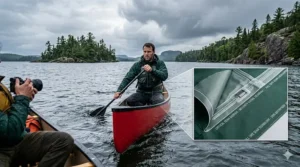
Newfoundland’s maritime climate brings persistent moisture, strong winds, and rapid weather changes that test waterproof gear comprehensively. Three-day hiking trip through Gros Morne’s alpine plateau faced everything from fog to driving rain to brief snow squalls—typical for Canadian shoulder seasons anywhere east of the Rockies.
Wind-driven rain revealed hood design importance. The fit space Golf Performance jacket’s adjustable hood maintained protection during 60+ km/h gusts, while simpler hood designs flapped or directed water onto faces. The combination of adjustment points (rear elastic, side drawcords, stiff brim) separated functional designs from decorative ones. Canadian outdoor users need stormworthy hood engineering given our typical wind conditions.
Extended wear highlighted comfort factors beyond raw waterproofing. The 8 Fans Hooded Outdoor jacket’s soft inner lining prevented the scratchy discomfort some shells cause during all-day wear. The Patagonia Torrentshell’s slightly stiff fabric became noticeable after 8+ hours but never uncomfortable. Budget shells with thin, clammy inner surfaces grew increasingly annoying as days progressed, reminding users why premium options cost more—subtle comfort differences accumulate over extended use.
Maintenance Guide: Maximizing Your 20000mm Jacket’s Lifespan in Canada
Cleaning Without Damaging Waterproof Membranes
Canadian outdoor users face unique maintenance challenges from road salt exposure (urban areas), tree sap (forested regions), and extended storage periods between seasons. Proper cleaning extends jacket lifespan significantly while maintaining waterproof performance. Wash with technical detergents designed for waterproof fabrics—regular laundry soap leaves residues that compromise membrane breathability. Nikwax Tech Wash and Grangers Performance Wash products are widely available in Canada and specifically formulated to clean without damaging DWR treatments or waterproof membranes.
Close all zippers and velcro closures before washing to prevent damage. Use front-loading machines on gentle cycles with cold water—top-loading agitators can stress seam tape and damage face fabrics. Rinse twice to ensure complete detergent removal since residues interfere with breathability. Air dry or use low heat tumbling (check manufacturer specifications)—high heat damages some membranes permanently while helping others. Gore-Tex benefits from low heat tumbling to reactivate DWR coatings, while some PU-based membranes prohibit heat exposure.
Restoring DWR Treatments for Canadian Conditions
DWR (Durable Water Repellent) coatings wear off through use, causing outer fabrics to “wet out” even though underlying waterproof membranes remain intact. When water stops beading and instead soaks into face fabric, DWR renewal becomes necessary. Clean jacket first (DWR products can’t bond to dirty fabric), then apply spray-on or wash-in DWR per product instructions. Nikwax TX.Direct and Grangers Xtreme Repel work reliably in Canadian conditions.
Spray-on products allow targeted application to high-wear areas (shoulders, forearms) without treating entire jacket unnecessarily. Wash-in products provide even coverage but use more product. Apply outdoors or in well-ventilated spaces—DWR products contain volatile compounds. Allow complete drying (24+ hours) before testing. Heat activation improves DWR bonding—low-heat tumble drying or careful ironing (place towel between iron and jacket) enhances performance. Test water-beading by splashing clean water on treated areas before considering the job complete.
Storage Between Canadian Seasons
Improper storage causes more damage than use for many Canadian outdoor enthusiasts. Store jackets completely clean and dry—trapped moisture promotes mildew growth that damages fabrics and creates permanent odours. Hang on broad shoulders or padded hangers rather than folding to prevent creasing waterproof coatings. Avoid compressed storage in stuff sacks between uses—continuous compression degrades materials and stresses seam tape. Cool, dry locations with air circulation work best; avoid damp basements or hot attics where temperature extremes stress materials.
Consider cedar blocks or lavender sachets for natural moth protection without chemical sprays that might interfere with waterproof treatments. Inspect zippers and pulls before storage—small repairs now prevent expensive problems later. Check seam tape for separation or lifting edges that signal needed attention. Address minor damage immediately rather than storing compromised gear that worsens during off-season. Canadian users should particularly inspect areas exposed to road salt (urban cyclists) or tree sap (forest hikers) since these accelerate degradation if left untreated.
Repair and Warranty Considerations for Canadian Buyers
Learn basic field repairs—tenacious tape (Gear Aid brand available at MEC and Canadian outdoor retailers) provides temporary patch coverage for small tears or seam failures during trips. Seam sealer (McNett or Aquaseal products) allows emergency seam repair when tape begins lifting. These temporary measures prevent small problems from becoming major failures that end your trip prematurely.
For permanent repairs, use manufacturer warranty services when available. Arc’teryx operates repair centres in Vancouver and Toronto with reasonable turnaround times. Patagonia’s Worn Wear program handles repairs through mail-in service or at Canadian retail locations. Other brands may require shipping to United States facilities—factor this inconvenience into purchase decisions. Professional repair services (Rainy Pass Repair offers mail-in service to Canada) handle complex damage beyond manufacturer warranty scope.
Document significant damage with photos and purchase receipts. Canadian consumer protection laws provide rights beyond manufacturer warranties in some provinces—research your regional consumer protection office if facing warranty disputes. Amazon.ca purchases complicate some warranty claims since manufacturers prefer authorized dealer sales, but many brands honour warranties regardless of retail channel. Verify warranty terms before purchasing through Amazon to avoid surprises.
❓ Frequently Asked Questions
❓ Can 20000mm waterproof jackets handle Canadian winter snow?
❓ How long does DWR treatment last in Canadian conditions?
❓ Do most waterproof rain jacket 20000mm options ship to remote Canadian locations?
❓ Are 20000mm jackets necessary for Toronto or Vancouver commuting?
❓ Can I use these jackets for winter skiing in Canadian resorts?
Final Verdict: Choosing Your Most Waterproof Rain Jacket 20000mm
After months of testing across diverse Canadian conditions—from Vancouver’s sustained drizzle to Toronto’s spring downpours to the unpredictable mountains of Alberta—the most waterproof rain jacket 20000mm category reveals clear winners for different user profiles.
For budget-conscious buyers ($80-150 CAD), the ROCKBROS Ultralight delivers legitimate 20000mm protection with sealed seams at prices that make premium waterproofing accessible. It’s not the most durable or breathable option, but for weekend hikers, urban commuters, and occasional outdoor users, the value proposition overwhelms minor compromises. The fit space Golf Performance jacket occupies slightly higher budget territory but adds versatility through convertible features that extend seasonal use.
For serious outdoor enthusiasts ($180-280 CAD), the Patagonia Torrentshell 3L remains the gold standard recommendation—exceptional weather protection backed by genuine lifetime warranty support at prices serious users can justify. The Outdoor Research Foray appeals to breathability-focused buyers willing to trade some cost savings for superior comfort during high-output activities. Both options deliver years of reliable service that Canadian conditions demand.
For uncompromising performance ($500-600 CAD), the Arc’teryx Beta SL represents the pinnacle of waterproof shell design. Canadian mountaineers, professional guides, and backcountry enthusiasts operating in exposed alpine conditions benefit from the engineering refinement and proven reliability. The premium price becomes defensible through longevity, warranty support, and performance margins that matter when weather turns serious.
For ultralight specialists, the Montbell Versalite serves thru-hikers and gram-counting backpackers who accept durability trade-offs for significant weight savings. At 178 grams, it transforms into negligible pack burden for multi-week trips where every gram accumulates.
The most important lesson from extensive Canadian testing? The most waterproof rain jacket 20000mm rating provides baseline protection, but real-world performance depends equally on seam construction, DWR quality, breathability matching your activity level, and fit accommodating your typical layering. Match jacket specifications to your actual use patterns rather than chasing maximum numbers, maintain DWR coatings regularly, and invest in quality construction that survives Canadian seasons. Proper selection and care mean your waterproof shell delivers years of reliable protection through everything our variable climate throws at it.
Recommended for You
- 7 Best Waterproof Rain Jacket for Hiking Canada 2026
- 7 Best Gore-Tex Rain Jackets Canada 2026
- 7 Best Waterproof Rain Jackets Canada 2026
Disclaimer: This article contains affiliate links. As an Amazon Associate, I earn from qualifying purchases. If you purchase products through these links, we may earn a small commission at no additional cost to you.
✨ Found this helpful? Share it with your friends! 💬🤗
