

In This Article
-40°C rated winter boots are insulated boots, usually waterproof, whose maker says they keep feet comfortable down to -40°C. That claim typically assumes moderate activity, a removable liner and proper socks. It is a brand-set comfort claim, not a guarantee, and it is not the same thing as wind chill. Choosing -40°C rated winter boots means reading past that number.
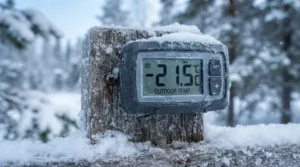
Here’s a bit of trivia that matters more than it should: -40°C and -40°F are the same temperature. It’s the one spot where the two scales shake hands. That’s why Sorel prints one and Kamik prints the other, and both mean identical cold. It’s also where the marketing gets slippery. Every boot in this guide wears a big, confident number. Some earn it. Some borrow it.
So this article does two jobs. It ranks seven real boots by what their published specs and aggregated reviews genuinely support. And it teaches you to read the tag like a skeptic. One honesty note up front: I haven’t worn these boots on a frozen lake, and I won’t pretend to. What follows is spec analysis, brand documentation and the patterns reviewers keep reporting.
Why sweat the details? Because the stakes aren’t cosmetic. Environment and Climate Change Canada’s wind chill index says exposed skin can freeze in 5 to 10 minutes once the wind chill sits between -40 and -47. Feet live far from your heart, sit inside a sweaty sock, and often get squeezed by a boot that’s half a size too snug. Your choice here is a safety call, not a style one.
-40°C Rated Winter Boots at a Glance: Quick Comparison
Prices are ranges in Canadian dollars at the time of research. Check current pricing and availability on amazon.ca before you buy.
| Boot | Brand-stated rating | Style | Weight (pair) | Price range (CAD) | Best For |
|---|---|---|---|---|---|
| Sorel Caribou | -40°C (-40°F) | Pac, 9 mm felt liner | ~1.9 kg | C$220–C$300 | Daily Prairie commuting |
| Kamik Nationplus | -40°F (= -40°C) | Pac, 200 g Thinsulate | ~1.6 kg | C$100–C$160 | Budget, short outings |
| Baffin Selkirk | -70°C on retail listings; Arctic tier on brand site | Pac, 7-layer liner | ~3.1 kg | C$250–C$320 | Lighter expedition-style use |
| Baffin Impact | -100°C (inner boot) | Pac, double B-Tek | ~3.4 kg | C$300–C$400 | Standing still in deep cold |
| Baffin Icefield (women’s) | Polar tier, up to -60°C | Pac, multi-layer liner | ~2.5 kg | C$250–C$320 | Women in sustained cold |
| Steger Mukluk Arctic | -40°C | Mukluk, wool felt | Not verified | C$300–C$400 | Dry, deep powder cold |
| Manitobah Waterproof Tamarack | -32°C | Mukluk, sheepskin | Not verified | C$200–C$300 | Slushy urban cold |
Read the table sideways before you read it down. The Kamik Nationplus is the cheapest and lightest, but its insulation is the thinnest relative to its label. The Baffin Impact sits at the opposite extreme, trading about 3.4 kg of bulk for the deepest warmth tier. The Manitobah Waterproof Tamarack is rated -32°C, so it’s here as a deliberate near-miss for people who want mukluk style that handles slush.
💬 Just one click — help others make better buying decisions too!😊
Top 7 Extreme Cold Rated Winter Boots: Expert Analysis
1. Sorel Caribou — the Prairie benchmark for daily commuting
The Sorel Caribou earns its reputation through construction, not hype. A removable 9 mm ThermoPlus recycled-felt liner sits inside a seam-sealed, vulcanised-rubber shell. A 2.5 mm bonded-felt frost plug sits underfoot, and a Sherpa snow cuff tops it off. In practice, the liner dries overnight while the shell waits by the door. The frost plug blunts the cold creeping up from frozen pavement, which is where most standing-around misery starts. The pair weighs roughly 1.9 kg (4.2 lb).
Sorel certifies the Sorel Caribou to -40°C, but a retailer Q&A rightly notes that real warmth depends on activity and socks. My read: this is a walk-to-the-bus -40, not a sit-on-a-bucket -40. For commuters, dog walkers and rink parents, that’s the right trade.
I couldn’t verify aggregated Amazon.ca review data for this model, so I won’t summarize sentiment I can’t see. Read the three-star reviews for fit and liner-wear notes. One anecdote: a reviewer on a rival boot’s listing said a Sorel pair lasted nearly 30 years.
Pros:
- ✅ Seam-sealed shell keeps slush out
- ✅ Removable felt liner dries overnight
- ✅ Non-loading outsole sheds packed snow
Cons:
- ❌ Modest insulation for stationary use
- ❌ Heavier than synthetic-liner rivals
Expect roughly C$220–C$300. For daily wear across several winters, that’s strong value.
2. Kamik Nationplus — cheapest ticket to a -40 label
The Kamik Nationplus is the lightest boot here at about 1.6 kg (3.6 lb) per pair. It’s a classic pac with a waterproof suede upper, gusset tongue, synthetic-rubber shell and SNOWTREAD outsole. A removable 200 g 3M Thinsulate liner does the insulating. Some newer listings mention a HEAT-MX 145 liner instead, so check which version you’re buying. The 29 cm (11.5″) shaft is easy to tuck pants into, and the gusset keeps slush from sneaking in.
OutdoorGearLab’s Kamik Nation Plus review praises the comfort and price. It also flags the modest 200 g of insulation and a thin felt layer under the foot, and suggests a slightly bigger spend buys a clearly better boot. I’d treat the -40 as optimistic for standing still.
Reviewer sentiment on one US retailer listing is mixed. With only nine reviews, the average sat around 3.6 and about three-quarters recommended it. Warm but snug liners drew praise, and one buyer reported two pairs that leaked. The pool is tiny, so treat it as a flag, not a verdict.
Pros:
- ✅ Lightest pair on this list
- ✅ Lowest price of the seven
- ✅ Gusset tongue blocks slush
Cons:
- ❌ Thin insulation versus its label
- ❌ Mixed leak reports in a small review pool
Roughly C$100–C$160. Good value for short outings, not for long exposure.
3. Baffin Selkirk — expedition tech without the bulk
The Baffin Selkirk is built around a 7-layer Thermaplush inner boot, an Arctic Rubber shell with a flexible base, and a Polar Rubber/ICEPAW outsole. The locking snow collar has an extendable gaiter, so deep powder stays out without extra accessories. The pair weighs about 3.1 kg (6.76 lb).
Here’s a ratings lesson in one boot. Retail listings advertise -70°C for the Baffin Selkirk. Baffin’s own current page files it under Arctic Rated, which covers temperatures from -30°C to -45°C that have been experienced during moderate to high activity. I’d trust the conservative reading. It still clears -40°C for moving around, which is plenty for most northern winters.
I couldn’t verify aggregated review sentiment for this model. Baffin says it fits true to size and advises sizing up if you’re between half sizes.
Pros:
- ✅ Extendable gaiter seals out deep snow
- ✅ Flexible shell stays pliable in cold
- ✅ Lighter than the Impact’s polar build
Cons:
- ❌ Rating differs between listings
- ❌ About 3 kg per pair tires long walks
Roughly C$250–C$320. Strong value if you genuinely need Arctic-tier warmth.
4. Baffin Impact — the heavyweight for standing still
The Baffin Impact is rated -100°C (-148°F) at the inner boot, with double B-Tek insulation, a double aluminum insole and a waffle-comb footbed. It stands 38 cm (15″) tall with double-buckle closure and a waterproof nylon snow collar. A retailer lists it at 7.42 lb (about 3.4 kg) in size 9 and says it runs small, so size up.
Baffin is clear that the rating describes the removable inner boot’s comfort, not a cold-crack rating for the shell. The boot suits low-to-moderate activity: ice fishing, dogsled camps, long waits. It isn’t a CSA-certified safety boot.
I couldn’t verify aggregated Amazon.ca review data. A shopping Q&A summary describes it as very warm but bulky and tiring on long walks.
Pros:
- ✅ Highest warmth tier of the seven
- ✅ Double buckles and snow collar seal tightly
- ✅ Removable multi-layer liner dries out
Cons:
- ❌ Heavy and bulky for daily wear
- ❌ Not CSA-certified for worksites
Roughly C$300–C$400. Worth it only if your cold is genuinely extreme, because in town it’s overkill.
5. Baffin Icefield (women’s) — polar-tier warmth in a lighter build
The women’s Baffin Icefield sits in Baffin’s Polar Rated tier, which covers temperatures from -45°C to -60°C experienced during moderate activity. The removable liner stacks Thermaplush, B-Tek foam, hollow-fibre Double B-Tek Heat and a vapourized aluminum membrane. The base is waterproof, the outsole is Polar Rubber, and a nylon snow collar tops the boot. At about 2.5 kg (5.46 lb) in women’s size 6, it’s noticeably lighter than the Baffin Impact. It’s snowshoe compatible, and Baffin says it runs small, so size up one full size.
A Better Trail tester wore it through an Alaska winter, including dogsledding near -40, and called it one of the warmest boots she’d worn. The catch is a break-in period. Early walks left her toes cold and numb. She also found traction on ice reasonable, not exceptional.
Pros:
- ✅ Polar-tier liner stack
- ✅ Waterproof base with snow collar
- ✅ Lighter than the Impact
Cons:
- ❌ Needs a real break-in period
- ❌ Average grip on bare ice
Roughly C$250–C$320. Excellent value for sustained cold.

6. Steger Mukluk Arctic — the traditional answer for dry, deep cold
The Steger Mukluk Arctic keeps things simple: a 9 mm polypropylene-lined wool-felt liner inside a soft hide-and-leather boot. Explorersweb lists a -40°C warmth rating and calls it a classic for dry snow. A Trailspace reviewer notes the 43 cm (17″) shaft and lace-tie top keep snow out and legs warm. Steger started in Ely, Minnesota, in 1985, when Patti Steger began sewing mukluks after an Arctic expedition.
Mukluks breathe, so sweat escapes. They also don’t seal against slush. The same reviewer called them extremely warm and slipper-comfortable but unsuited to wet conditions. Leather can be waterproofed, but that is an add-on, not a built-in. One buyer reported trouble getting a foot past the narrow ankle.
Pros:
- ✅ Lightweight, slipper-like comfort
- ✅ Breathable felt liner
- ✅ Shines in deep powder and dry cold
Cons:
- ❌ Not waterproof out of the box
- ❌ Narrow ankle opening for some feet
Roughly C$300–C$400. Availability on amazon.ca varies, so confirm a listing before planning around it.
7. Manitobah Waterproof Tamarack — mukluk style with an honest -32°C
The Manitobah Waterproof Tamarack is rated warm to -32°C, so it falls 8°C short of this guide’s headline number. I’ve included it because many Canadians want mukluk style that survives slush. The cowhide suede upper is sealed 10 cm (4″) up by the AuthenTEC waterproof system. The boot is fully sheepskin-lined, including the footbed, and rides on a Vibram Tipi outsole. It stands about 34 cm (13.5″) tall. Manitobah is a Métis-owned company founded in Winnipeg in 1997.
Manitobah’s own copy frames the warmth as best in cold, dry weather. One reviewer on the brand’s site said the rating shook their trust in the company’s other claims. Treat -32°C as a ceiling, not a floor. Retail feedback from 90 buyers split roughly 31 “runs small,” 55 “true to size” and 4 “slightly large.”
Pros:
- ✅ Sheepskin lining throughout, footbed included
- ✅ Waterproof seal for slushy streets
- ✅ Vibram outsole for traction
Cons:
- ❌ Rated below -40°C
- ❌ Runs small for many buyers
Roughly C$200–C$300. Good for urban cold, not for northern expeditions.
Temperature Rating Explained: What -40°C Really Means
A temperature rating is a promise with fine print. Brands set these numbers by their own methods, and the same label can mean different things depending on who printed it.
What the number usually measures
Baffin is unusually transparent. Its Arctic Rated tier describes comfort during moderate to high activity where -30°C to -45°C have been experienced. Its Polar Rated tier covers -45°C to -60°C during moderate activity. For the Baffin Impact, the figure refers to the removable inner boot, not the shell. Translation: the number describes your foot’s comfort while moving, not a lab guarantee.
Where ratings drift
Retail listings can disagree with the brand. The Baffin Selkirk is advertised at -70°C in some places, yet Baffin’s own page places it in the Arctic tier. Testers find gaps too. A Better Trail tester found a Kamik women’s boot, a different model from the Kamik Nationplus, comfortable only to about 15°F despite a -40 claim.
How to read it
Treat the rating as a best case for a moving body. Subtract for standing still, wind, damp socks and tight lacing. And if a US listing gives only °F, remember -40 is the one number that converts to itself. That’s temperature rating explained in one sentence: it’s a ceiling on comfort, not a floor on danger.
How to Choose -40°C Rated Winter Boots
- Match the tier to your activity. If you’ll walk, a -40 pac is plenty. If you’ll stand, buy a colder tier.
- Insist on a removable liner. You can dry it overnight, which protects insulation from sweat.
- Pick waterproof or breathable on purpose. Pacs like the Sorel Caribou handle slush. Mukluks like the Steger Mukluk Arctic favour dry cold.
- Size for sock volume. Baffin and Manitobah both skew small, and a boot that squeezes your socks loses warmth.
- Check the outsole compound. Polar Rubber is designed to stay flexible and grippy in deep cold.
- Weigh the weight. Pairs range from about 1.6 kg to 3.4 kg, and heavy boots add fatigue over distance.
- Verify the rating’s wording. Look for “inner boot,” “comfort” or a tier name, and compare it with the brand’s own page.
Mukluks vs Pac Boots for Extreme Cold
Mukluks vs pac boots for extreme cold is really a question about moisture. Pacs pair a sealed rubber shell with a removable felt liner. Mukluks are soft, breathable hide, traditionally worn by Inuit and Yupik peoples and best in dry snow. Neither wins everywhere.
| Factor | Pac boots | Mukluks |
|---|---|---|
| Waterproofing | Sealed rubber shell | Breathable hide; waterproof only on select models |
| Drying | Liner pulls out and dries overnight | Whole boot dries slowly |
| Weight | Heavier (1.6–3.4 kg per pair here) | Lighter, slipper-like feel |
| Best conditions | Slush, wet snow, thaw cycles | Dry, deep, steady cold |
| Best For | Sorel Caribou, Baffin Selkirk, Baffin Impact | Steger Mukluk Arctic, Manitobah Waterproof Tamarack |
The table’s takeaway is moisture control. If your winter swings between -5°C slush and -35°C clear nights, the sealed shell of the Sorel Caribou is the safer bet. If your cold is consistently dry, the Steger Mukluk Arctic gives you a lighter, more breathable boot. The Manitobah Waterproof Tamarack splits the difference, but at a lower rating.
Winter Boots for Northern Canada
Winter boots for northern Canada face a different job from city boots. Exposure is longer, travel is often by snowmobile or snowshoe, and a failure can be far from a heated lobby. That favours the polar-minded builds: the Baffin Impact, Baffin Icefield and Baffin Selkirk, all designed around deep-cold liner systems and snow collars.
Check snowshoe compatibility, since Baffin lists both the Baffin Impact and Baffin Icefield as compatible. If you work in the cold, check certification too. The Baffin Impact is a recreational boot, not CSA-certified, and Baffin points worksites needing CSA Grade 1 toward its Titan STP.
Pack smart: a spare liner and an extra felt insole weigh little, and a swap at a rest stop beats a numb walk back. For dry-cold travel, the Steger Mukluk Arctic earns a spot as a camp boot.
Frostbite Risk and Footwear
Frostbite risk and footwear are tightly linked, because feet are among the first places circulation falters. Health Canada’s extreme cold guidance says risk of windburn and frostbite rises at wind chill values below -27, and that poor circulation plus extreme cold can lead to frostbite.
Environment Canada’s wind chill bands are blunt. From -28 to -39, exposed skin can freeze in 10 to 30 minutes. At -40 to -47 it’s 5 to 10 minutes, at -48 to -54 it’s 2 to 5, and at -55 or colder it’s under 2.
Wind chill describes exposed skin, so a good boot changes your foot’s risk. But it only works if you do your part. Tight lacing, compressed socks and damp liners reduce warmth and blood flow. Health guidance also advises avoiding alcohol before heading out, since it can make you feel warm while you lose heat. Good footwear lowers frostbite risk. It doesn’t erase it.
Extreme Cold Rated Winter Boots: Features That Actually Matter (And Those That Don’t)
What matters
- Removable liner. It lets you dry moisture out.
- Underfoot insulation. The Sorel Caribou‘s frost plug and the Baffin Impact‘s aluminum insole both tackle ground cold.
- Snow collar or gaiter. The Baffin Selkirk‘s extendable gaiter is a practical standout.
- Cold-tolerant outsole. Polar Rubber is formulated to stay flexible.
What doesn’t
Fur trim looks great and does little. A big number on the tag doesn’t either, without the construction to back it. Even aggressive lugs have limits: the Baffin Icefield‘s tester found its grip adequate but not special on bare ice. For extreme cold rated winter boots, fit and moisture management beat flash.
Common Mistakes When Buying -40°C Rated Winter Boots
- Buying the number, not the use. A walking -40 isn’t a standing -40.
- Ignoring sock volume. A snug boot with thick socks is a cold boot.
- Skipping the break-in. The Baffin Icefield‘s tester had numb toes early on.
- Trusting one listing. Compare the retailer’s claim with the brand’s page, as with the Baffin Selkirk.
- Choosing mukluks for slush. Breathable hide and standing water don’t mix.
- Overbuying. A Baffin Impact in a city commute is a 3.4 kg anchor.
Long-Term Cost & Maintenance
The sticker price isn’t the real cost. Spread it over the winters you’ll actually get. The table below is illustrative, assuming five winters of use, which is an assumption, not a lifespan claim.
| Boot | Price range (CAD) | Cost per winter (5 winters) | Best For |
|---|---|---|---|
| Kamik Nationplus | C$100–C$160 | C$20–C$32 | Short, occasional use |
| Manitobah Waterproof Tamarack | C$200–C$300 | C$40–C$60 | Urban slush |
| Sorel Caribou | C$220–C$300 | C$44–C$60 | Daily commuting |
| Baffin Selkirk | C$250–C$320 | C$50–C$64 | Northern travel |
| Baffin Icefield | C$250–C$320 | C$50–C$64 | Sustained polar cold |
| Baffin Impact | C$300–C$400 | C$60–C$80 | Stationary extreme cold |
| Steger Mukluk Arctic | C$300–C$400 | C$60–C$80 | Dry deep powder |
Even the priciest boot here costs less per winter than a decent winter coat, so durability is worth paying for. The Kamik Nationplus is cheapest per winter on paper, but a leak or thin liner can undo that saving. Replacement liners exist for the Sorel Caribou and for Baffin boots, which can extend a pair’s life.
Maintenance is simple. Pull the liners nightly, brush off road salt, and let nubuck and leather dry away from direct heat.
Practical Usage Guide: Break-In, Socks and Your First 30 Days
Break in before you need them
Wear new boots around the house and on short walks first. The Baffin Icefield‘s tester reported cold, numb toes before the break-in period ended, so don’t debut them on a -35°C morning.
Build a sock system
Choose one thin wicking layer under one medium merino sock. Two thick pairs sound warmer but compress insulation and squeeze circulation. If your toes tingle, loosen up.
The nightly routine
Pull the liners from pac boots like the Sorel Caribou and Baffin Selkirk, let them air dry, and brush off salt. For mukluks like the Steger Mukluk Arctic, keep them away from slush and radiators.
Common first-month mistakes
Lacing too tight, wearing damp socks, and trusting the rating while standing still top the list. Within 30 days, you’ll learn exactly how your feet behave in your -40°C rated winter boots.
Real-World Scenarios: Matching Boots to Your Winter
These are illustrative profiles, not personal anecdotes.
The Winnipeg commuter
Twenty minutes at a bus stop, daily, with a budget around C$250. The Sorel Caribou fits: sealed against slush, liner dries overnight, and the rating matches a moving body.
The northern Ontario ice fisher
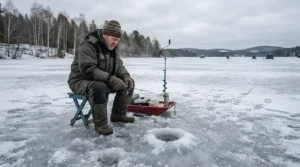
Four to six hours seated on a lake with a budget near C$400. Stationary cold demands a colder tier, so the Baffin Impact earns its bulk.
The Edmonton dog walker
Long, steady walks in sustained cold, budget around C$300. The women’s Baffin Icefield offers polar-tier warmth at a lighter weight, provided she breaks it in first.
Problem → Solution Guide
My toes are cold despite the rating. Loosen the laces, drop to one sock layer, and check for dampness. Tight boots restrict blood flow.
My feet sweat. Switch to merino wool and pull liners every night. Mukluks breathe better than pacs.
Sidewalks are glass. Standard outsoles slip. Add strap-on ice cleats, as even the Baffin Icefield only grips adequately on bare ice.
My liners smell or stay damp. Dry them fully each night and rotate a spare.
My toes have gone numb. Get indoors. CBC’s frostbite explainer quotes a physician who says lukewarm water is better than a hot bath for treating frostbite. Don’t rub the area, and seek medical care if the skin turns white, waxy or blistered.

FAQ
❓ Are -40°C rated winter boots warm enough for a -40°C wind chill?
❓ How much do -40°C rated winter boots cost in Canada?
❓ Can I wear extreme cold rated winter boots for everyday city use?
❓ Do -40°C rated winter boots run small?
❓ Are -40°C rated winter boots approved for worksites?
Conclusion
Pick by use, not by the number. The Sorel Caribou is the pragmatic daily-driver for Canadian commuters. The Kamik Nationplus is the budget entry for short outings. The Baffin Selkirk, Baffin Impact and women’s Baffin Icefield step up into genuine northern territory. The Steger Mukluk Arctic rewards dry-cold travellers, and the Manitobah Waterproof Tamarack suits slushy city streets, as long as you respect its -32°C ceiling.
Mukluks vs pac boots for extreme cold comes down to moisture. Frostbite risk and footwear come down to fit, dryness and honesty about your activity. And temperature rating explained boils down to this: the number is a best-case comfort claim for a moving body.
Choose the right -40°C rated winter boots, break them in early, and dry the liners every night. Your toes will thank you.
Recommended for You
- Waterproof Winter Boots For Slush And Snow: 7 Proven Picks 2026
- Winter Boots For Toddlers: 7 Best Warm, Grippy Picks (2026)
- Top Rated 3-in-1 Jackets For Kids: 7 Proven Picks 2026
Disclaimer: This article contains affiliate links. As an Amazon Associate, I earn from qualifying purchases. If you purchase products through these links, we may earn a small commission at no additional cost to you.
✨ Found this helpful? Share it with your friends! 💬🤗
