In This Article
A lightweight rain jacket for summer is a packable, breathable waterproof shell — usually under 350 grammes — designed to block rain without trapping body heat the way a heavier 3-in-1 winter coat does. Unlike a parka, it has no insulation; it’s just a weather barrier you can stuff into a daypack and forget about until the sky opens up.
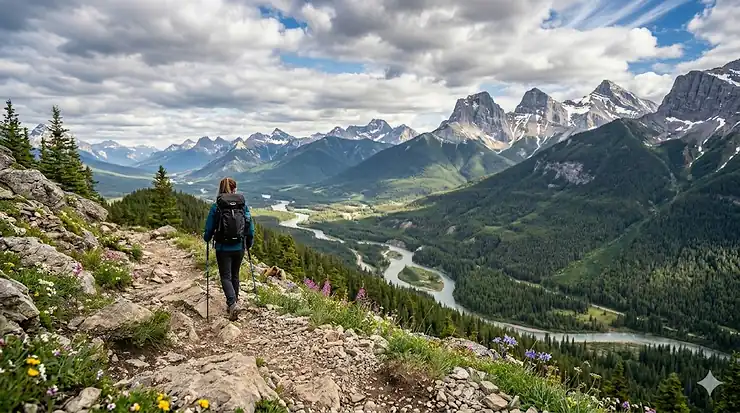
If you’ve ever been caught in a sudden downpour on the Toronto waterfront or watched a clear Calgary morning turn into an afternoon thunderstorm, you already know why this matters here. Canadian summers are famously unpredictable — humid in southern Ontario, dry and sun-baked one hour in the Prairies, then hammered by a hailstorm the next. A bulky winter rain coat will have you sweating through your shirt before you’ve walked two blocks, which is exactly the problem these jackets solve.
What most buyers overlook is that “lightweight” and “waterproof” pull in opposite directions. A jacket built purely for packability often sacrifices durability or breathability, while a burly 3-layer shell that survives a backcountry storm can feel like a sauna on a humid Ottawa afternoon. The trick is matching the jacket’s construction — 2-layer, 2.5-layer, or 3-layer — to how and where you’ll actually wear it.
In this guide, we’ve researched seven real, currently available options on Amazon.ca, ranging from a $20-ish emergency shell to a premium 3-layer technical jacket, and broken down exactly who each one suits. All prices below are in CAD and shown as ranges, since Amazon pricing shifts often — always check the current price on the product page before buying.
Quick Comparison Table: Lightweight Rain Jackets for Summer
| Jacket | Layer Type | Best For | Price Range (CAD) | Amazon.ca |
|---|---|---|---|---|
| Frogg Toggs Ultra-Lite2 | Non-woven 2-layer | Emergency/backup use | $20–$35 | ✅ Prime eligible |
| Columbia Glennaker Lake II | 2-layer coated nylon | Budget everyday wear | $45–$65 | ✅ Prime eligible |
| Marmot PreCip Eco | 2.5-layer NanoPro | Hiking & travel | $100–$140 | ✅ Prime eligible |
| Helly Hansen Loke Jacket 2.0 | 2.5-layer Helly Tech | Commuting & city rain | $90–$130 | ✅ Prime eligible |
| The North Face Antora | 2-layer DryVent | Casual daily wear (women’s) | $130–$170 | ✅ Prime eligible |
| Outdoor Research Foray/Aspire 3L | 3-layer Pertex Shield | Frequent rain, daily commuting | $160–$220 | ✅ Prime eligible |
| Patagonia Torrentshell 3L | 3-layer H2No | Best all-round value | $180–$230 | ✅ Prime eligible |
Looking at the spread above, the gap between the cheapest and priciest option isn’t really about waterproofness — it’s about how long the jacket survives repeated use and how comfortable it stays once you’re sweating underneath it. The Frogg Toggs and Columbia options are perfectly fine for occasional, short exposure to rain, but the 2.5-layer and 3-layer jackets in the $100–$230 CAD range are the better buy if you’re commuting in the rain weekly rather than just keeping a jacket “just in case” in your bag.
💬 Just one click — help others make better buying decisions too! 😊
✨ Don’t Miss These Exclusive Deals!
🔍 Take your rain protection to the next level with these carefully selected jackets. Click on any highlighted item to check current pricing and availability on Amazon.ca. These picks will help you stay dry and comfortable all summer long!
Top 7 Lightweight Rain Jackets for Summer — Expert Analysis
1. Frogg Toggs Ultra-Lite2 Rain Jacket
The standout feature here is sheer weight — this is one of the lightest, cheapest waterproof shells you’ll find on Amazon.ca. It’s built from a non-woven polypropylene fabric rather than a true waterproof-breathable membrane, which means it blocks rain effectively but won’t hold up to repeated abrasion against a backpack strap or branches on a trail.
What most buyers overlook about this jacket is that it’s not designed for regular wear — it’s designed to live in a glovebox, golf bag, or emergency kit and come out only when needed. For a Canadian cottage trip, a baseball game in Toronto, or a festival in Montreal where you just need backup protection from a passing shower, it does the job at a price that’s hard to beat.
Customer feedback: Reviewers consistently praise the price-to-protection ratio but note the fabric feels crinkly and isn’t meant for frequent washing or rugged use.
✅ Extremely affordable
✅ Packs down to fist size
✅ Decent waterproofing for the price
❌ Not durable for regular outdoor use
❌ Feels stiff and non-breathable in humid heat
Price & verdict: Around $20–$35 CAD — the best choice if you want a rain jacket you’ll use twice a summer rather than twice a week.
2. Columbia Glennaker Lake II Rain Jacket
Columbia’s Glennaker Lake II uses a coated nylon shell rather than a breathable membrane, which keeps the price low but means it can feel a bit clammy during high-output activity. The stowaway hood tucked into the collar is a small detail that matters more than it sounds — you’re not digging through a backpack for a separate hood when a squall hits on a Vancouver seawall walk.
In my experience, this is the jacket most Canadian buyers reach for as a “beater” coat: thrown in the car for festivals, kids’ soccer games, or commuting on transit when the forecast is iffy. It’s not built for an all-day backcountry deluge, but for city use where you’re indoors most of the time anyway, that trade-off rarely matters.
Customer feedback: Buyers like the classic fit and stowaway hood; some note the non-breathable shell causes sweating during brisk walking or cycling.
✅ Packable into its own pocket
✅ Reliable waterproof coating
✅ Wide range of sizes and colours
❌ Limited breathability for active use
❌ Coating wears down faster with frequent machine washing
Price & verdict: Typically $45–$65 CAD — solid value for light, intermittent use in cities.
3. Marmot PreCip Eco Jacket
The PreCip Eco swaps Marmot’s older coating for a PFC-free DWR finish on 100% recycled NanoPro ripstop nylon, plus underarm pit zips and a DriClime-lined chin guard. The pit zips genuinely matter here — they let you dump heat on the climb up a Gatineau Park trail without unzipping the whole front and letting rain in.
What the spec sheet won’t tell you is that the waterproofing on budget 2.5-layer jackets like this one tends to soften with washing and heavy pack use faster than pricier 3-layer shells. It’s still an excellent entry point for hikers and travellers who want PFC-free materials and real ventilation features without paying $200+.
Customer feedback: Frequently praised as the best value for hikers; some long-term reviews mention reduced water resistance after a season or two of heavy use.
✅ Pit zips for active ventilation
✅ PFC-free, recycled materials
✅ Packs into its own stuff pocket
❌ Durability dips with heavy, frequent use
❌ Hood and collar fit takes some adjusting
Price & verdict: Around $100–$140 CAD — hard to beat for hikers and frequent travellers on a mid-range budget.
4. Helly Hansen Loke Jacket 2.0
Helly Hansen’s Norwegian roots show here — this is a brand built for genuinely miserable weather, and the Loke 2.0’s Helly Tech 2.5-layer construction with a storm flap and underarm vents reflects that. For Canadian buyers, that pedigree is a real selling point: Norway’s climate isn’t far off from coastal BC or the Maritimes, so the jacket is engineered with similar conditions in mind.
What stands out for everyday Canadian use is the repairable front zipper — a detail that matters more once you’ve had a cheaper jacket’s zipper fail mid-commute. Independent testing has found the hood seal can let water through during sustained heavy rain, so this shines more for daily city commuting and moderate storms than multi-hour backcountry exposure.
Customer feedback: Reviewers highlight the price-to-quality ratio and Scandinavian-style cut; a few note the hood isn’t fully sealed in prolonged downpours.
✅ Genuinely budget-friendly for the brand quality
✅ Underarm ventilation zips
✅ Repairable, durable zipper
❌ Hood can let water through in heavy, sustained rain
❌ Limited colour range in smaller sizes on Amazon.ca
Price & verdict: Roughly $90–$130 CAD — a smart pick for commuters who want known-brand reliability without the premium price tag.
5. The North Face Antora Jacket (Women’s)
The Antora is the most “everyday wardrobe” pick on this list rather than a technical hiking shell. Its 2-layer DryVent construction is genuinely lightweight at around 345 grammes for a women’s small, yet reviewers report it performs better in real rain than its budget-tier classification suggests, while doubling as a wind-blocking layer on grey, cool days.
For Canadian buyers, this is the jacket for someone who wants one coat that looks like a normal jacket at the office or on a coffee run, not something that screams “hiking gear.” The trade-off is sleeve length running slightly short and loose for some body types, which becomes noticeable if you’re wearing a backpack or reaching overhead in the rain.
Customer feedback: Owners frequently call it more stylish and warmer than expected for a rain shell; sizing feedback suggests sleeves can run short.
✅ Casual, everyday styling
✅ Doubles as a light windbreaker
✅ Genuinely lightweight despite 2-layer build
❌ Sleeve length runs short for some
❌ Not intended for high-output technical use
Price & verdict: Around $130–$170 CAD — best for buyers who want their rain jacket to also work as a daily coat.
6. Outdoor Research Foray 3L (Men’s) / Aspire 3L (Women’s)
This pairing uses a 3-layer Pertex Shield construction with sealed seams, storm flaps, and generously sized pockets — features built for daily use in genuinely wet climates rather than occasional showers. Independent gear testers have flagged it as a strong daily-use option precisely because the pocket design and storm protection hold up to repeated wear better than thinner 2-layer alternatives.
What matters most for a Canadian buyer in Vancouver, Victoria, or Halifax — places where “a bit of rain” can mean weeks of drizzle — is that this jacket is built to be worn constantly, not just packed away for emergencies. It’s overkill for someone who sees rain twice a summer, but exactly right for someone who needs reliable protection on a near-daily basis.
Customer feedback: Owners in consistently wet regions praise the pocket layout and durability; some note it’s heavier and pricier than minimalist packable shells.
✅ Built for frequent, sustained wet-weather use
✅ Functional, well-placed pockets
✅ 3-layer durability outlasts 2-layer coatings
❌ Bulkier to pack than ultralight options
❌ Higher price point than entry-level jackets
Price & verdict: Roughly $160–$220 CAD — the pick for the West Coast or Maritime buyer who lives in their rain shell.
7. Patagonia Torrentshell 3L
Independent testers have repeatedly named the Torrentshell 3L their top overall recommendation, and it’s easy to see why: its H2No 3-layer fabric (made with recycled nylon) delivers near-premium water resistance and durability at roughly half the price of ultra-premium technical shells. Pit zips and a reasonably durable build round out the package.
What most buyers overlook is that paying more here isn’t about marginal waterproofing gains — it’s about a jacket that survives years of regular folding, packing, and washing without the coating cracking or peeling, which is where budget 2-layer jackets tend to fail first. For a Canadian buyer who wants one rain jacket to last several summers across hiking, commuting, and travel, this is the one that earns its price.
Customer feedback: Reviewers consistently call it the best value-to-performance ratio in its class; the main complaint is that it still runs pricier than basic 2-layer options.
✅ Excellent durability for repeated long-term use
✅ Made with recycled materials
✅ Strong performance-to-price ratio versus premium shells
❌ Costs more upfront than entry-level jackets
❌ Slightly bulkier than ultralight packable shells
Price & verdict: Around $180–$230 CAD — while Canadian pricing runs a little higher than typical US listings, you skip the cross-border shipping fees, customs delays, and warranty headaches that come with ordering from outside Canada.
Benefits of a Lightweight Rain Jacket vs. Heavier Rain Gear
| Factor | Lightweight Summer Shell | Heavy 3-in-1 / Winter Rain Coat |
|---|---|---|
| Pack size | Fist-sized, fits in a daypack | Bulky, often left at home |
| Breathability | High to moderate | Low — traps heat and sweat |
| Best season | Late spring through early fall | Late fall through winter |
| Weight | 150g–400g | 600g–1.2kg |
The numbers make the case clearly: a heavy winter shell is built to retain warmth, which is exactly the wrong property when you’re trying to stay cool during a July heatwave in Hamilton or a muggy afternoon in Montreal. A 200-gramme summer shell folds into a side pocket and won’t add noticeable bulk to a day pack, while a winter-weight coat usually just gets left in the car — which defeats the purpose entirely.
How to Choose a Lightweight Rain Jacket for Summer in Canada
- Match the layer count to your climate. Coastal BC and Atlantic Canada see sustained rain — go 3-layer. The Prairies and Ontario see shorter, heavier downpours — 2.5-layer is usually enough.
- Check for pit zips if you’re active. Cycling, hiking, or running in the rain generates heat fast; underarm vents prevent the “boiled in a bag” feeling.
- Prioritize packability if you’re commuting. A jacket that won’t fit your bag won’t get carried, no matter how good it is on paper.
- Look at seam sealing, not just fabric. An unsealed seam on a “waterproof” jacket is the most common reason buyers report leaks.
- Consider your usage frequency before price. Occasional users save money with 2-layer coated nylon; daily commuters save money long-term with a durable 3-layer shell.
- Don’t ignore fit around the shoulders. A too-tight jacket compresses insulation and breathability layers underneath and restricts movement when reaching for an umbrella or backpack strap.
- Check Amazon.ca availability and sizing charts carefully, since some colourways and sizes sell out faster than others, especially in popular mid-range picks.
Practical Usage Guide: Getting the Most From Your Packable Shell
Most of the value in a lightweight rain jacket comes down to how you treat it, not just which one you buy. Start by re-treating the DWR (durable water repellent) coating every few months with a spray-on or wash-in product once you notice rain stops beading and starts soaking into the fabric — this is the single most common reason a “waterproof” jacket starts to feel like it isn’t.
For Canadian climate considerations specifically: avoid storing a damp jacket rolled up in a hot car during a Prairie summer, since trapped moisture against a warm membrane can encourage mildew odour over time. Hang it loosely to dry instead. Heading into fall, give it a gentle wash in a technical-fabric detergent (never regular laundry soap, which clogs the membrane’s pores) before storing it for winter. A common first-30-days mistake is machine-drying on high heat, which can damage the waterproof coating on 2-layer jackets — air-dry or use the lowest tumble setting instead.
Real-World Scenarios: Matching the Jacket to Your Canadian Summer
The downtown Toronto condo commuter, walking 15 minutes to the subway through unpredictable afternoon showers, is best served by something packable and presentable — the Helly Hansen Loke 2.0 or The North Face Antora both fold small enough for a work bag and don’t look out of place at the office.
The Vancouver weekend trail hiker, dealing with drizzle that can last for hours rather than minutes, gets more long-term value from the Outdoor Research Foray/Aspire 3L or Patagonia Torrentshell — the extra durability and sealed seams matter when “a bit of rain” really means an all-day soak.
The Ottawa family planning a cottage weekend, where the rain jacket might get worn twice all summer, doesn’t need to overspend — the Columbia Glennaker Lake II or Frogg Toggs Ultra-Lite2 covers the occasional downpour without tying up budget better spent on the rest of the trip.
Common Problems (And Solutions) for Canadian Rain Jacket Buyers
Canadian buyers run into a handful of recurring issues with summer rain jackets. Problem: overheating during humid Ontario or Quebec summers. Solution: prioritize jackets with pit zips (Marmot PreCip Eco, Patagonia Torrentshell) and choose a slightly looser fit to allow airflow underneath.
Problem: jackets that “leak” after a year of use. This is almost always DWR breakdown, not a manufacturing defect — re-treating the fabric solves it in most cases.
Problem: limited size availability on Amazon.ca compared to Amazon.com. Popular sizes in mid-range jackets sell out first; checking back periodically or considering the closest in-stock alternative from the same brand usually works.
Problem: returning a jacket that doesn’t fit. Amazon.ca’s return window applies, but always check whether the specific seller (third-party vs. Amazon directly) affects the return policy before ordering, especially for jackets shipped from outside Canada.
Lightweight Shells vs. 3-in-1 Systems: What’s Actually Better for Summer
A 3-in-1 system — a waterproof shell zipped to an insulated liner — sounds efficient on paper, but for summer use it’s usually the wrong tool. The shell layer in most 3-in-1 systems is heavier and less breathable than a dedicated lightweight rain jacket, since it’s engineered to also handle freezing temperatures with the liner attached. If you already own a 3-in-1 for winter, don’t assume the shell-only half works well for July; a purpose-built summer shell like the ones reviewed above will almost always breathe better and pack smaller.
Heat Management and Quick-Dry Materials: What the Spec Sheet Doesn’t Tell You
“Breathable” on a product listing usually refers to a fabric’s moisture-vapour transmission rate, but in practice it means how quickly sweat vapour escapes before it condenses inside the jacket. Pit zips, mesh-lined pockets, and looser cuffs all matter more for real-world heat management than the marketing number itself. Quick-dry liners, like the DriClime lining in the Marmot PreCip Eco, also reduce that clammy feeling against bare skin far more than most buyers expect from a small design detail.
Features That Actually Matter (And Marketing Hype You Can Ignore)
Pit zips, sealed seams, and a properly adjustable hood matter — they affect comfort and dryness every single time you wear the jacket. A long list of “technologies” with trademarked names, on the other hand, often describes the same basic waterproof-breathable membrane concept under a different brand label; the general principle behind waterproof breathable fabrics hasn’t changed much in decades, regardless of what a given brand calls its version. Reflective trim and “athletic cut” branding rarely affect how dry you stay, so don’t let those details drive your decision over fit and ventilation.
Canadian Regulations, Certifications & What “Waterproof” Really Means
There’s no mandatory Canadian safety certification for recreational rain jackets the way there is for, say, children’s sleepwear or PPE — “waterproof” on a listing is a marketing claim, not a regulated standard, so it’s worth reading reviews rather than trusting the word alone. One rule that does apply: under Canada’s Textile Labelling Act, clothing sold in Canada must show fibre content and care instructions in both English and French, so a jacket’s tag should be bilingual regardless of which province you’re shopping from.
Canadian summer rainfall also varies more by region than people expect — parts of the country see their heaviest precipitation in June and July rather than spring or fall, which is exactly why a genuinely waterproof shell, not just a “water-resistant” windbreaker, matters more here than in drier climates.
Long-Term Cost & Care in Canada
| Tier | Upfront Cost (CAD) | Expected Lifespan | Cost Per Year (rough) |
|---|---|---|---|
| Ultra-budget (Frogg Toggs) | $20–$35 | 1–2 seasons | ~$15–$25 |
| Mid-range (Marmot, Helly Hansen, Antora) | $90–$170 | 3–5 seasons | ~$25–$40 |
| Premium 3L (Patagonia, OR) | $160–$230 | 5–8+ seasons with re-proofing | ~$25–$35 |
The math here is a little counterintuitive: a premium 3-layer jacket often costs about the same per year of use as a mid-range one, because it survives roughly twice as many seasons before the waterproofing fails for good. The ultra-budget option is genuinely cheapest only if you’re using it rarely — for weekly wear, it gets replaced often enough that the savings disappear.
What to Expect: Real-World Performance Across Canadian Summer Conditions
In a short, intense Prairie thunderstorm, even a basic 2-layer jacket like the Columbia Glennaker Lake II holds up fine since the exposure is brief. In sustained coastal BC drizzle that can last for days, the difference between a 2-layer and 3-layer shell becomes obvious — budget jackets start to feel damp from the inside (condensation, not leaking) within an hour or two of continuous wear, while a 3-layer shell with pit zips manages that moisture far better.
FAQ
❓ What's the difference between waterproof and water-resistant jackets?
❓ Can I wear a lightweight rain jacket for summer hiking in Canada?
❓ Does Amazon.ca offer free shipping on rain jackets?
❓ How do I keep a rain jacket waterproof in Canadian humidity?
❓ Are lightweight rain jackets warm enough for a Canadian spring or fall day?
Conclusion
For most Canadian buyers, the sweet spot is a 2.5-layer or 3-layer jacket in the $90–$230 CAD range — the Patagonia Torrentshell 3L if you want one jacket to last years across hiking and commuting, or the Helly Hansen Loke Jacket 2.0 if budget and everyday city use matter more than backcountry durability. If you genuinely only need backup protection for the occasional downpour, the Columbia Glennaker Lake II or Frogg Toggs Ultra-Lite2 will do the job without overspending.
Whichever you choose, the real lesson from researching these seven is that “lightweight” doesn’t have to mean “flimsy,” and “waterproof” is only as good as the seam sealing and DWR maintenance behind it. Check current pricing and availability on Amazon.ca before you buy, since stock and pricing shift often — especially for popular sizes heading into peak rain season.
✨ Don’t Miss These Exclusive Deals!
🔍 Take your rain protection to the next level with these carefully selected jackets. Click on any highlighted item to check current pricing and availability on Amazon.ca. These picks will help you stay dry and comfortable all summer long!
Recommended for You
- Best Lightweight Rain Jackets Under 300g in Canada (2026)
- Best Bombproof Hardshell Rain Jacket in Canada 2026: Top 7 Picks
- Hardshell vs Softshell Jacket: 7 Top Picks for Canada (2026)
Disclaimer: This article contains affiliate links. As an Amazon Associate, I earn from qualifying purchases. If you purchase products through these links, we may earn a small commission at no additional cost to you. Per Competition Bureau of Canada guidelines on advertising disclosure, this relationship is disclosed clearly above.
✨ Found this helpful? Share it with your friends! 💬🤗
