In This Article
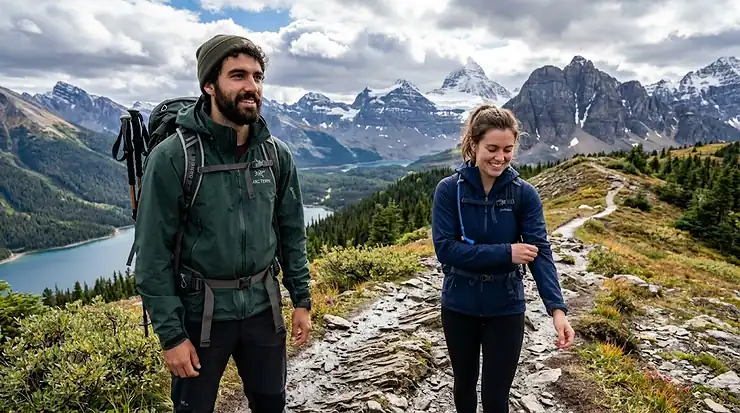
If you’ve ever stood at the bottom of a trailhead in the Rockies wondering whether to grab your rain shell or your fleece-backed softshell, you’re not alone. The hardshell vs softshell jacket debate trips up even experienced hikers, because both look similar on a hanger but behave completely differently the moment the weather turns. A hardshell is your armour against driving rain, sleet, and wind — think Gore-Tex Pro and fully taped seams. A softshell trades some weatherproofing for stretch, breathability, and comfort during high-output activity like ski touring or fast hiking.
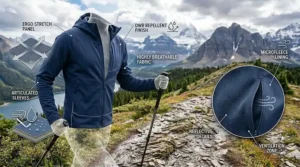
In Canada, this choice matters more than almost anywhere else. One afternoon you’re sweating up a sun-baked ridge in Alberta, and two hours later you’re getting hammered by a squall rolling off the Pacific or a sudden prairie thunderstorm. This guide breaks down seven real jackets available through Amazon.ca, walks through when each shell type earns its place in your pack, and gives you a decision framework so you stop guessing and start layering smart.
What Is a Hardshell vs Softshell Jacket?
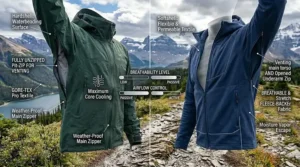
A hardshell jacket is a fully waterproof, windproof outer layer made from laminated fabrics (like Gore-Tex or similar membranes) with taped seams — built to keep you completely dry in sustained rain or snow. A softshell jacket uses a more flexible, breathable, water-resistant (not fully waterproof) fabric that prioritizes stretch, ventilation, and comfort during aerobic activity, making it better suited to drizzle, wind, and variable conditions rather than downpours.
Quick Comparison Table
| Jacket | Type | Best For | Price Range (CAD) | Amazon.ca Status |
|---|---|---|---|---|
| Arc’teryx Beta AR | Hardshell | All-round alpine protection | $750-$900 | Available, ships across Canada |
| Marmot PreCip Eco | Hardshell | Budget rain protection | $110-$150 | Prime-eligible, widely stocked |
| Patagonia Torrentshell 3L | Hardshell | Everyday wet-weather commuting | $250-$320 | Available, some colours limited |
| MEC Roamer Jacket | Hardshell (Canadian brand) | Casual hiking & city use | $180-$240 | Ships from Canadian warehouse |
| Arc’teryx Gamma LT | Softshell | Mountain hiking & trekking | $350-$430 | Available, Prime-eligible |
| Columbia Ascender Softshell | Softshell | Cold, dry winter activity | $130-$180 | Widely available |
| TACVASEN Tactical Softshell | Softshell | Budget everyday wear | $55-$85 | Prime-eligible, fast shipping |
Looking at the spread above, the price gap between the budget TACVASEN softshell and the premium Arc’teryx Beta AR is roughly tenfold, but that gap mostly buys you certainty — a $900 hardshell will keep you bone-dry on a multi-day Rockies trip in ways a $60 softshell simply can’t. For most Canadians who split their time between city commuting and weekend trails, the sweet spot sits in the $150-$350 CAD range, where you get a genuinely waterproof hardshell or a highly weather-resistant softshell without paying for mountaineering-grade reinforcement you’ll never use. If your outdoor time is mostly dry, cold winter activity (cross-country skiing, snowshoeing), a softshell like the Columbia Ascender will often serve you better than an overbuilt hardshell that traps sweat.
💬 Just one click — help others make better buying decisions too! 😊
✨ Don’t Miss These Exclusive Deals!
🔍 Take your outerwear shopping to the next level — click any highlighted jacket above to check current pricing and availability on Amazon.ca. These picks will help you stay dry and comfortable through everything Canadian weather throws at you! 🇨🇦
Top 7 Hardshell & Softshell Jackets: Expert Analysis
1. Arc’teryx Beta AR (Hardshell — Premium)
The Arc’teryx Beta AR is the jacket gear testers keep coming back to year after year, and for good reason. Its 3-layer Gore-Tex Pro construction with reinforced 100-denier panels on the shoulders and hood means it shrugs off the kind of horizontal rain you get on Vancouver Island in November without flinching. What most Canadian buyers overlook is the helmet-compatible hood adjustment — it’s a small detail, but on a windy ridge in the Coast Mountains, a hood that doesn’t whip around your face is the difference between focus and misery.
In practice, the seam-taped, fully waterproof membrane (rated well above 20,000mm hydrostatic head) means even a full day of West Coast “rain bombs” won’t soak through to your base layer. Reviewers consistently praise its durability — many users report the same jacket surviving 5+ seasons of regular alpine use with only minor DWR (durable water repellent) touch-ups needed.
✅ Pros: Exceptional waterproofing, durable construction, helmet-compatible hood
❌ Cons: Premium price, stiffer fabric than softshells
Best for: Serious backcountry hikers, ski tourers, and anyone who spends full days in BC, Alberta, or Atlantic Canada’s wettest regions and needs gear that simply won’t fail. Around $750-$900 CAD — a genuine investment, but one that often outlasts two or three budget jackets.
2. Marmot PreCip Eco (Hardshell — Budget)
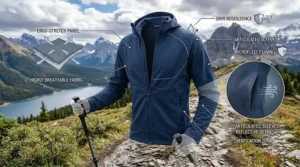
The Marmot PreCip Eco has earned its reputation as the go-to entry-level hardshell, and on Amazon.ca it consistently ranks among the best-selling rain shells with thousands of reviews. Its NanoPro membrane isn’t Gore-Tex Pro, but for casual hiking, dog walks in the rain, or tossing in a daypack “just in case,” it does the job admirably.
What stands out for Canadian buyers is the pit-zip ventilation — crucial because the NanoPro fabric, while waterproof, doesn’t breathe as well during high-output activity, so being able to dump heat manually matters during a steep climb in humid Ontario summer weather. The packable design stuffs into its own pocket, making it ideal for tossing in a bike pannier or backpack without taking up much room.
✅ Pros: Genuinely waterproof, packable, very affordable
❌ Cons: Less breathable than premium membranes, runs slightly large
Best for: Budget-conscious hikers, urban commuters who need rain backup, and anyone buying a “just in case” jacket for kids or occasional use. Around $110-$150 CAD, often with seasonal Amazon.ca discounts.
3. Patagonia Torrentshell 3L (Hardshell — Mid-Range)
The Patagonia Torrentshell 3L sits comfortably between budget and premium, using a 3-layer H2No membrane that’s fully waterproof without the eye-watering price of Gore-Tex Pro. What most reviewers note in practice is that the fabric has a softer hand-feel than many hardshells, making it less crinkly and more comfortable for everyday wear — a real plus if you’re wearing it over a sweater for a walk around Toronto rather than scrambling a ridge.
The recycled nylon shell and PFC-free DWR coating are worth flagging for environmentally conscious Canadian shoppers, and Patagonia’s lifetime repair program (Worn Wear) means a torn sleeve doesn’t mean buying a new jacket — just shipping it back for repair, which is a meaningful long-term value consideration given Canada’s higher retail prices on premium gear.
✅ Pros: Fully waterproof, comfortable fit, repairable through Worn Wear
❌ Cons: Bulkier when packed than ultralight options, hood not helmet-compatible
Best for: Everyday Canadians who want one do-it-all rain jacket for commuting, hiking, and travel without committing to mountaineering-grade gear. Around $250-$320 CAD.
4. MEC Roamer Jacket (Hardshell — Canadian Brand)
As a Canadian-owned outdoor co-op, MEC designs gear specifically with this country’s conditions in mind, and the MEC Roamer Jacket is a solid example — a 2.5-layer waterproof shell aimed at hiking and everyday wear rather than alpine punishment. The practical upside here is regional: MEC products often ship faster within Canada and the brand’s sizing tends to fit Canadian body types well across a wide range.
In real-world use, the Roamer’s fully taped seams handle a steady Pacific drizzle or a Quebec spring downpour without issue, though the 2.5-layer construction means it’s not quite as breathable during sustained climbing as a 3-layer shell. The adjustable hem and cuffs help seal out wind during those classic prairie gusts where temperature swings 15°C in an afternoon.
✅ Pros: Canadian brand, fast domestic shipping, great value
❌ Cons: 2.5-layer fabric less breathable on high-output days, limited colour selection
Best for: Canadians who want to support a domestic outdoor brand and need a reliable everyday hiking shell without the premium-brand markup. Around $180-$240 CAD.
5. Arc’teryx Gamma LT (Softshell — Premium)
If the Beta AR is Arc’teryx’s hardshell flagship, the Arc’teryx Gamma LT is its softshell equivalent — and it’s a genuinely different experience to wear. The Fortius stretch-woven fabric moves with your body in a way no hardshell can, which matters enormously on a scrambly trail where you’re constantly reaching, twisting, and climbing over deadfall.
What experienced hikers appreciate is how the Gamma LT manages moisture during effort: instead of trapping sweat like a hardshell can, the softshell fabric allows vapour to pass through while still blocking wind and light precipitation. For a fall hike in the Laurentians or a brisk shoulder-season scramble in Kananaskis, that breathability often matters more than absolute waterproofing — you’ll arrive at the summit damp from exertion either way, but with the Gamma LT, that dampness evaporates rather than pooling against your skin.
✅ Pros: Outstanding mobility, excellent breathability, durable abrasion-resistant fabric
❌ Cons: Not waterproof in sustained rain, premium price
Best for: Active hikers, climbers, and trail runners in drier regions (Alberta foothills, BC interior, Prairie provinces) who prioritize comfort and breathability over total rain protection. Around $350-$430 CAD.
6. Columbia Ascender Softshell (Softshell — Mid-Range)
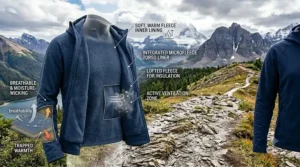
The Columbia Ascender Softshell is one of the most recognizable names on Amazon.ca, and it earns its popularity by nailing the basics: a fleece-backed interior that adds genuine warmth, a windproof/water-resistant outer face, and a fit roomy enough to layer a midweight sweater underneath. For Canadian winters, that fleece lining is the standout feature — it means the Ascender can function as a standalone outer layer down to roughly -5°C to 0°C before you need to add a shell on top.
In practice, this jacket shines for activities where you’re moving steadily but not sweating buckets — cross-country skiing, snowshoeing, or a brisk winter walk. The cons show up if you’re caught in genuinely heavy rain or wet snow, where the water-resistant (not waterproof) face fabric will eventually wet out.
✅ Pros: Warm fleece lining, comfortable fit, widely available across Canada
❌ Cons: Not waterproof, fleece interior can feel bulky under a hardshell
Best for: Winter walkers, cross-country skiers, and anyone in colder, drier parts of the country (Prairies, interior BC, Northern Ontario) who wants warmth built into their shell. Around $130-$180 CAD.
7. TACVASEN Tactical Softshell (Softshell — Budget)
The TACVASEN Tactical Softshell consistently appears in Amazon.ca’s bestseller lists for men’s softshell jackets, and at its price point, it’s hard to argue with the value. Built with a windproof, water-resistant outer and a detachable fleece-lined hood, it’s a genuinely practical option for everyday Canadian wear — dog walks, errands, light yard work in the fall.
What stands out for budget buyers is the sheer number of pockets and the tactical-inspired cut, which appeals to anyone who wants function over fashion. It won’t survive a multi-hour downpour, and the fabric isn’t as breathable as premium softshells during hard exertion, but for casual outdoor use where the forecast says “cloudy with a chance of drizzle,” it punches well above its price.
✅ Pros: Extremely affordable, lots of storage, detachable hood
❌ Cons: Not suited to sustained heavy rain, fabric less breathable than premium softshells
Best for: Budget-conscious shoppers, students, and anyone who needs a functional everyday softshell without spending big. Around $55-$85 CAD.
How to Choose Hardshell vs Softshell Jacket in Canada
- Start with your region’s weather pattern. Coastal BC and Atlantic Canada see prolonged, heavy rain — lean hardshell. The Prairies and interior BC see more wind and dry cold — softshells often perform better.
- Think about activity intensity. High-output activities (trail running, ski touring, fast hiking) generate sweat that softshells vent better; if you’re moving slowly or standing still in weather, a hardshell’s total waterproofing wins.
- Check the season you’ll use it most. Spring and fall in most of Canada mean unpredictable rain — hardshell territory. Deep winter activity in dry cold often favours a fleece-backed softshell.
- Consider your layering system. A softshell can often double as a mid-layer under a hardshell on the worst days, giving you flexibility a hardshell-only setup lacks.
- Set a realistic budget in CAD. Don’t overspend on Gore-Tex Pro if your “hiking” is mostly urban walks — a $150 jacket may serve you just as well as a $700 one.
- Factor in packability. If the jacket lives in your daypack “just in case,” prioritize a compressible hardshell like the Marmot PreCip Eco over a bulkier softshell.
- Match fit to your layering needs. Buy with room for a fleece or puffy underneath if you’re in a colder province — Canadian winter layering systems need that extra inch of room.
Practical Usage Guide: Layering & Cold-Weather Care
Getting the most from either jacket type comes down to how you layer and maintain it. According to MEC’s official layering guide, a layering system works through three components — base, mid, and outer layers — with the base layer wicking moisture off your skin so you don’t feel cold when you stop moving. Your hardshell or softshell is the outer piece of that system, not a replacement for it.
For hardshells, the biggest mistake Canadians make is letting the DWR coating wear off without renewing it — once that happens, the outer fabric “wets out” (soaks visually, even if the membrane underneath still blocks water), making the jacket feel clammy and heavy. A wash with technical detergent every 10-15 wears, followed by a tumble-dry on low heat (which reactivates the DWR), keeps a hardshell performing for years. Avoid fabric softener entirely — it clogs the membrane’s pores.
For softshells, the fleece backing needs occasional brushing to prevent matting, and because the fabric is more breathable, it’s more prone to picking up odour over time — wash more frequently than you would a hardshell. In winter, store both jacket types somewhere dry; a damp jacket left in a cold porch or unheated garage can develop mildew, especially in humid parts of Ontario and Quebec.
Cold-weather care checklist:
- ✅ Reproof DWR every season with a wash-in or spray-on treatment
- ✅ Dry jackets fully before storage (avoid leaving in a damp gear bag)
- ✅ Check zippers for grit/salt buildup after winter use — road salt is corrosive
- ❌ Don’t use regular laundry detergent (residue reduces breathability)
- ❌ Don’t store compressed for long periods — it can damage membranes over time
Real-World Scenarios: Which Canadian Buyer Needs What
The Toronto condo commuter: Walks 15 minutes to the subway year-round, occasionally caught in spring downpours. The Patagonia Torrentshell 3L is the right call here — fully waterproof for sudden rain, comfortable enough to wear over office clothes, and not so technical that it looks out of place on the street.
The Calgary weekend trail runner: Trains on foothills trails in dry, windy conditions with occasional light snow squalls. The Arc’teryx Gamma LT softshell is the better match — its breathability handles the sweat from sustained effort, and its wind resistance covers the sudden gusts common in Alberta’s chinook season.
The rural Manitoba family: Needs durable, affordable outerwear for kids playing outside and parents doing yard work through cold, dry winters. The Columbia Ascender’s fleece lining provides standalone warmth for moderate cold, while a Marmot PreCip Eco kept in the mudroom covers the rare heavy-rain day — a smart two-jacket combo that costs less than one premium hardshell.
The Vancouver Island hiker: Faces some of the wettest conditions in the country on a regular basis. The Arc’teryx Beta AR’s Gore-Tex Pro construction is genuinely worth the investment here — lesser jackets simply wet out too quickly in sustained coastal rain.
Hardshell vs Softshell: Detailed Comparison
The core trade-off is waterproofing versus breathability and mobility. A hardshell’s laminated membrane creates a near-total barrier against water and wind, but that same barrier limits how much vapour (sweat) can escape, which is why hardshells can feel “swampy” during hard climbs even though they’re technically breathable. A softshell’s woven, often DWR-treated fabric allows much more airflow, keeping you comfortable during effort, but that same openness means sustained or heavy rain will eventually soak through.
For Canadian conditions specifically, the deciding factor is often duration and intensity rather than just “does it rain or not.” A short, intense burst of activity in light rain (a 30-minute trail run in drizzle) often feels better in a softshell, even though it’s technically getting “wet,” because you stay comfortable rather than overheating inside a hardshell. Conversely, a long, slow day in sustained rain (a full-day coastal hike, a day of fishing, standing around at an outdoor winter event) strongly favours a hardshell, where total waterproofing outweighs any breathability concerns.
When to Wear a Hardshell vs Softshell
Reach for a hardshell when: the forecast calls for sustained rain or wet snow, you’re going to be relatively stationary or moving slowly (fishing, photography, dog walking in a downpour), wind chill is extreme, or you need a packable emergency layer for “just in case” scenarios.
Reach for a softshell when: conditions are dry-to-light-precipitation, you’re doing sustained aerobic activity (hiking, skiing, running), temperatures are cold but not wet (Prairie winters, interior BC), or you want a jacket comfortable enough to wear all day without taking it off between activity and rest.
Many experienced Canadian outdoor enthusiasts ultimately own both — a softshell for 80% of outings and a packable hardshell that lives in the bottom of the pack for the days the forecast turns.
Activity-Specific Selection Guide
Hiking (spring/fall, most of Canada): Hardshell as outer layer over a softshell or fleece mid-layer — the classic three-layer system handles unpredictable shoulder-season weather.
Cross-country skiing / snowshoeing: Softshell, often alone or over a light base layer — the sustained aerobic effort generates heat that a hardshell would trap.
Urban commuting: Hardshell for rain reliability, especially in coastal cities; softshell with fleece lining for inland cities with colder, drier winters.
Backcountry skiing / mountaineering: Hardshell for the descent and storm days, softshell for the uphill skin track — many backcountry skiers carry both and swap mid-tour.
Casual everyday wear (errands, yard work): Budget softshell — the TACVASEN or similar covers most casual needs without the cost of technical hardshells.
Common Mistakes When Buying Outdoor Shells in Canada
One of the most frequent mistakes is buying based on waterproof rating alone without considering breathability — a jacket rated to 28,000mm hydrostatic head sounds impressive, but if it has no pit zips and you’re hiking uphill in August humidity in Ontario, you’ll be soaked from sweat regardless. Another common issue is sizing too tight — Canadian layering systems need room for a fleece or puffy underneath, and a jacket that fits perfectly over a t-shirt in the store will feel restrictive once winter layers go on.
Buyers also frequently overlook hood adjustability, which matters enormously in windy regions like the Prairies or coastal BC — a hood that doesn’t cinch down properly will flap and let wind in regardless of how waterproof the fabric is. Finally, many shoppers don’t check Amazon.ca availability carefully before clicking “buy” on a listing meant for Amazon.com — some colours, sizes, or models simply aren’t stocked for Canadian delivery, and cross-border ordering can add unexpected customs fees and longer delivery times to remote or northern communities.
Features That Actually Matter (And Those That Don’t)
Matters: Fully taped seams (the actual determinant of waterproofness, not just the fabric), pit zip ventilation, adjustable hood and cuffs, and a durable face fabric in high-wear zones like shoulders and hem.
Doesn’t matter as much: Extremely high hydrostatic head ratings beyond what your actual activities demand (20,000mm is more than sufficient for almost all recreational use — you don’t need 30,000+ unless you’re in genuinely extreme alpine conditions), and flashy “tactical” branding that often just means extra pockets you won’t use.
Sometimes overlooked but valuable: RECCO reflectors (built into some premium shells for avalanche rescue), articulated elbows for mobility, and a drop-tail hem that covers your lower back when you bend over with a pack on.
Long-Term Cost & Maintenance in Canada
When comparing a $700 hardshell to a $150 one over a five-year span, the math often favours the premium option for frequent users. A budget hardshell that needs replacing every 18-24 months due to delamination or seam failure could cost you $300-$450 CAD over five years with similar total spend to one premium jacket — but without the comfort, durability, or repair-program backing of brands like Patagonia or Arc’teryx, which often offer lifetime repairs.
Canadian pricing on premium outdoor gear typically runs 10-20% higher than equivalent US listings due to import duties and exchange rates, but buying through Amazon.ca avoids the customs delays, cross-border shipping fees, and warranty complications that come with ordering from Amazon.com and having items shipped north. Factor in maintenance costs too — a DWR reproofing treatment runs roughly $15-25 CAD and should be done once or twice a season for jackets in heavy use, a small cost that significantly extends the life of either shell type.
Canadian Regulations & Safety Considerations
While outdoor jackets themselves aren’t subject to the same safety certification requirements as items like helmets or PFDs, Canadian consumer protection law does require bilingual (English/French) labelling on clothing sold nationally, including care instructions and fibre content — something worth checking if you’re buying from smaller third-party Amazon.ca sellers, as labelling compliance can vary. For anyone new to Canadian winters, the Canadian Red Cross recommends bringing extra layers and seeking shelter from wind, since clothing suited to warmer climates often doesn’t hold up against Canadian winter conditions.
If you’re planning winter backcountry activity, it’s also worth reviewing general cold-weather safety guidance — frostbite and hypothermia risk increase significantly with wind chill, and no jacket, however well-rated, substitutes for proper layering, hydration, and trip planning in remote or northern regions.
FAQ
❓ What is the main difference between a hardshell and softshell jacket?
❓ Can I wear a softshell jacket in a Canadian winter?
❓ Do hardshell jackets ship to all of Canada via Amazon.ca?
❓ Is a hardshell or softshell better for hiking in the Rockies?
❓ How often should I reproof my hardshell jacket?
Conclusion
The hardshell vs softshell jacket decision doesn’t have to be complicated once you anchor it to how and where you actually spend time outdoors. If your weekends involve standing in the rain at a soccer field in Vancouver or hiking through a coastal downpour, a genuinely waterproof hardshell like the Arc’teryx Beta AR or the budget-friendly Marmot PreCip Eco belongs in your closet. If you’re more likely to be moving hard through dry, cold conditions on the Prairies or in the BC interior, a softshell like the Arc’teryx Gamma LT or the fleece-lined Columbia Ascender will keep you far more comfortable.
For most Canadians, the honest answer is “both” — a packable hardshell for emergencies and a comfortable softshell for everyday wear covers nearly every scenario this country’s weather can throw at you. Whichever direction you go, check current availability and pricing on Amazon.ca before you buy, since stock and seasonal pricing shift throughout the year.
✨ Found this helpful? Take the next step!
Browse our top picks above on Amazon.ca and find the shell that matches your Canadian adventures — your future self, dry and comfortable on the trail, will thank you! 🥾🇨🇦
Recommended for You
- 7 Best Hardshell Rain Jackets Canada 2026
- 2.5 Layer Jacket Pros and Cons: 7 Best Picks for Canada 2026
- Best 2.5 Layer Jacket for Hiking in Canada 2026 — Top 7 Picks
Disclaimer: This article contains affiliate links. As an Amazon Associate, I earn from qualifying purchases. If you purchase products through these links, we may earn a small commission at no additional cost to you.
✨ Found this helpful? Share it with your friends! 💬🤗
