
In This Article
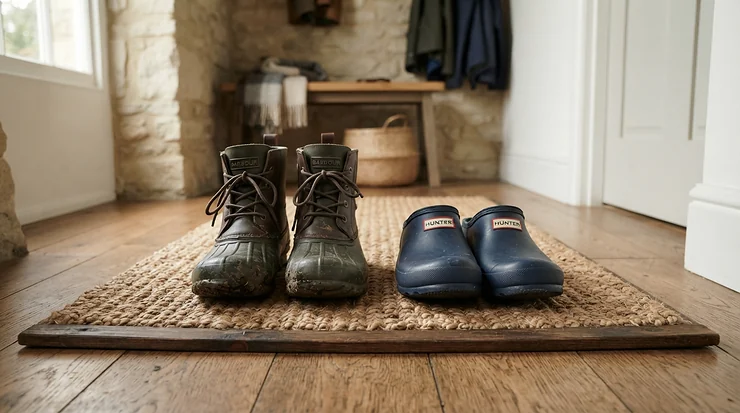
Chelsea rain boots vs rubber rain boots comes down to silhouette and shaft height. Chelsea rain boots are ankle-high, pull-on waterproof boots with elastic side gussets. Classic rubber rain boots are taller, calf-length wellies. Both keep water out, but they differ in coverage, style and how easily they fit into a Canadian day.
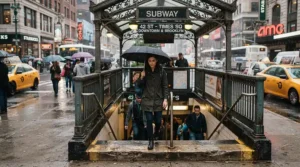
Here is what the shoe store won’t tell you. The tall wellie you bought for puddles lives in your front hall, because it makes you look ready to inspect a farm. The sleek ankle boot you love at work surrenders in a proper cloudburst. Canadian weather settles this argument. Think of Vancouver spray in November, or Toronto slush at a streetcar stop.
This guide compares seven real boots: rubber Chelsea styles, one waterproof leather option, low-cut rain boots and a Canadian-made tall rubber benchmark. The comparison rests on published specs, retailer review patterns and plain reasoning about your commute. The ankle-boot style has deep roots, too. It traces back to the Victorian era, as the Chelsea boot overview on Wikipedia explains.
One shopping note before we start. Availability on amazon.ca shifts by size, colour and seller, so treat each pick as a shortlist and check current listings. Every price below is a range in Canadian dollars, never a quote.
Quick Comparison: Chelsea Rain Boots vs Rubber Rain Boots at a Glance
Start with the big picture, then zoom in on specific models.
| Feature | Chelsea Rain Boots | Classic Rubber Rain Boots (Tall) |
|---|---|---|
| Typical height | About 12–15 cm (ankle) | About 30–41 cm (calf) |
| Downpour coverage | Good on sidewalks, weak in deep puddles | Excellent, even in standing water |
| On and off | Pull tab and gussets, seconds | Wide opening, but calf fit matters |
| Style range | Office, dinners, city errands | Gardens, trails, school runs |
| Winter use | Needs insulation or thick socks | Usually roomier for thick socks |
| Best For | Commuters in Hunter Original Chelsea or Kamik Chloe Lo Chelsea | Long wet walks in Kamik Jennifer |
The table shows a trade between coverage and convenience. Tall rubber boots win whenever water is deeper than your ankle bone. Chelsea rain boots win whenever you must look presentable at 9 a.m. and still stay dry at 8:15. If your day is mostly sidewalks and transit, the ankle-height style gives up very little protection, and you gain a lot of wearability.
💬 Just one click — help others make better buying decisions too!😊
Top 7 Chelsea Rain Boots and Rubber Rain Boots: Expert Analysis
Each pick below gets the same treatment: specs translated into real-world meaning, a reasoned take on who it suits, and a summary of genuine review patterns.
1. Hunter Original Chelsea — the iconic rubber Chelsea for downtown rain
The standout is the silhouette. It is a matte, vulcanised natural-rubber ankle boot that reads smart-casual rather than garden shed. Retailer listings show a polyester lining, elastic gussets, a nylon rear pull-tab, a heel of about 2.5 cm (1 in) and a shaft near 13 cm (5 in). In practice the gussets let you step in without a wrestling match. The matte finish hides scuffs better than glossy older wellies.
At roughly 570 g (1 lb 4 oz) per boot in a size 8, though, it walks heavier than leather or synthetic rivals. This is the pick for someone who wants a Chelsea look in genuinely sealed rubber, worn with jeans, leggings or dresses. Reviewer sentiment on one major retailer leaned positive, with about seven in ten of 70 reviewers giving four or five stars. The complaints repeat, however. Reviewers describe a stiff break-in, rubber rubbing the ankle bones where the panels meet, a tight pull-on and no half sizes.
Pros:
- ✅ Fully sealed natural rubber upper
- ✅ Matte finish dresses up easily
- ✅ Gussets and pull-tab speed up entry
Cons:
- ❌ Stiff break-in; ankle rub reported
- ❌ No half sizes; premium pricing
Expect roughly C$130–C$240 depending on retailer and colour. It is worth it if you will live in them, and steep if they will see a few outings a season.

2. Sorel Emelie III Chelsea WP — waterproof leather for people who hate rubber
This is the only leather pick here, and it is the reason the waterproof leather vs rubber uppers debate matters. The listings describe a waterproof full-grain leather or suede upper with seam-sealed construction, elastic gussets, a heel pull tab, a removable EVA footbed and a lugged Evertread rubber outsole. Seam-sealing is the real story, since seams are where leather boots fail first. One Canadian retailer lists the weight near 371 g, which is noticeably lighter than Hunter Original Chelsea.
On paper this is the best choice for office-adjacent slushy commutes where rubber looks too casual. Review signals are mixed rather than glowing. One major retailer showed about 3.4 out of 5 across 14 reviews, with complaints about a snug instep and a stiff heel and ankle. Positive reviewers on the brand’s own site call it genuinely waterproof, comfortable and easy to get on. Several note that fit differs from earlier Emelie generations, so trying a half size up is a sensible reading of the feedback.
Pros:
- ✅ Lightweight compared with rubber Chelseas
- ✅ Seam-sealed waterproof leather construction
- ✅ Lugged outsole suits wet pavement
Cons:
- ❌ Tight instep reported by several reviewers
- ❌ Leather needs conditioning to stay supple
Plan on around C$130–C$200. It is good value for a leather boot you can wear to the office, but only if the fit works for your foot.
3. Kamik Chloe Lo Chelsea — low-cut rubber from a Canadian rain-boot specialist
Among low-cut rain boots, this one pairs a short silhouette with vulcanised natural rubber. A Canadian retailer lists a PVC-free construction, elastic gussets, a pull loop, a removable EVA footbed and an odour-fighting treatment. The listed boot height is 14 cm and the weight is around 658 g. That height is the point: it clears curbs and shallow puddles without the visual bulk of a tall boot.
Interpretation: this suits someone choosing Chelsea boots for city commuting who wants the rubber look at a friendlier price than the premium brands. I could not verify enough written reviews for this exact model to summarize them honestly. The Kamik range overall earns steady value praise in editorial roundups and on retailer pages, and one reviewer of a different model wished for a wider opening. Treat fit as the open question and check the return policy.
Pros:
- ✅ Short 14 cm height suits city use
- ✅ Removable EVA footbed for custom insoles
- ✅ Vegan-friendly, PVC-free rubber build
Cons:
- ❌ Few verifiable reviews for this exact model
- ❌ Unlined, so cool in late fall
Budget around C$80–C$130. It is solid value for a first rubber Chelsea.
4. Chooka Delridge Waterproof Plush Chelsea Bootie — the lined pick for damp, chilly climates
The hook here is the plush lining under a waterproof rubber shell, which turns a rain boot into a three-season boot. Specs from listings point to a slip-on style with a low platform of about 2.5 cm (1 in). In real life, the lining takes the edge off Pacific Northwest dampness and the cool mornings of an Ontario October.
Roundup reviewers call it practical for rainy cities. They also flag two issues: it feels heavier than a typical Chelsea, and sizing can be inconsistent, so check the size chart. Who is it for? Anyone who gets cold feet in unlined rubber and wants a slip-on waterproof footwear option without buying a full winter boot.
Pros:
- ✅ Plush lining adds real warmth
- ✅ Waterproof rubber shell, easy pull-on
- ✅ Wallet-friendly for a lined boot
Cons:
- ❌ Heavier than typical Chelsea boots
- ❌ Reported sizing inconsistencies
Expect around C$60–C$120. It is good value if you want warmth more than elegance.
5. Hunter Original Play Short — ankle-grazing rubber with a touch of lift
This is a pull-on rather than a true Chelsea, but it sits firmly in the low-cut rain boots camp. It is made from natural rubber with a recycled-polyester lining, a pull tab and a wedge-style platform of about 3.6 cm (1.4 in). The shaft hovers around 13–15 cm, so it clears most sidewalk splash while staying lighter-looking than a tall boot.
Hunter says it runs slightly large and advises sizing down if you are between sizes. That matches a reviewer who called them “big” but loved them. On a small retailer sample, comfort scored about 4.8 out of 5 across 16 reviews. An insulated version rated to about -5°C (23°F) extends its season. This is a good fit for people who want ankle boot styling without elastic gussets.
Pros:
- ✅ Ankle-height profile stays low-key
- ✅ Waterproof rubber with grippy outsole
- ✅ Insulated version extends the season
Cons:
- ❌ Runs large; sizing needs care
- ❌ Premium price for a short boot
Plan on roughly C$100–C$210. It is worth paying for if style and comfort both matter.

6. Kamik Jennifer — the tall, Canadian-made rubber benchmark
Every comparison needs a control, and this is it. The product page lists a lightweight synthetic-rubber upper, built-in traction, a removable EVA insole, a 41 cm height and about 1,110 g per pair. It is made in Canada and described as waterproof, vegan and recyclable. At that height it protects from the knee-down splash that wrecks Chelsea boots in a real downpour.
An outdoor retailer’s editorial roundup named it best overall for the price, and I found no verified review aggregate to add beyond that. This is the one to choose when your day involves standing water, wet grass or long dog walks. The cost is a casual look and a mild tug to get your calf in.
Pros:
- ✅ Full calf coverage for deep puddles
- ✅ Lightweight for a tall rubber boot
- ✅ Made in Canada, priced fairly
Cons:
- ❌ Too casual for most offices
- ❌ Not ideal for narrow calves
Budget around C$50–C$90, a great value verdict for utility.
7. L.L.Bean Rugged Wellie Chelsea — rugged tread for mud and wet fields
The standout here is purpose: a rubber Chelsea designed for rain, mud and spring slop rather than boardrooms. The brand’s description emphasizes reliable traction and total comfort in wet conditions. That makes it the pick for parks, trails and dog paths where a Hunter Original Chelsea would feel too precious.
Review patterns are mixed. The retailer page showed an aggregate near 3.4 out of 5 from about 340 reviews at the time of research. Positive reviewers praised toe room and quality. One wanted a wider opening, and another felt older boots from a different brand had aged better. I did not verify pricing, so check current price. Availability through amazon.ca may be hit-or-miss because it is primarily sold through the brand’s own Canadian store.
Pros:
- ✅ Tough tread for muddy terrain
- ✅ Roomy toe box per reviewers
- ✅ Rubber Chelsea convenience off-road
Cons:
- ❌ Mixed aggregate review score
- ❌ Narrow opening for some feet
Top 7 Compared: Specs, Price Ranges and Best For
| Boot | Upper | Height (approx.) | Price range (CAD) | Review signal | Best For |
|---|---|---|---|---|---|
| Hunter Original Chelsea | Natural rubber | 13 cm | C$130–C$240 | ~7 in 10 gave 4–5 stars (70 reviews) | Style-first commuters |
| Sorel Emelie III Chelsea WP | Waterproof leather | Ankle | C$130–C$200 | ~3.4/5 on 14 reviews | Office-friendly slush days |
| Kamik Chloe Lo Chelsea | Natural rubber | 14 cm | C$80–C$130 | Few verifiable reviews | Budget low-cut buyers |
| Chooka Delridge | Rubber, plush lining | Ankle | C$60–C$120 | Roundups: practical, heavy | Chilly, damp climates |
| Hunter Original Play Short | Natural rubber | 13–15 cm | C$100–C$210 | Comfort ~4.8/5 (16 reviews) | Ankle boot styling |
| Kamik Jennifer | Synthetic rubber | 41 cm | C$50–C$90 | Editorial value pick | Deep puddles, dog walks |
| L.L.Bean Rugged Wellie Chelsea | Rubber | Ankle | Check current price | ~3.4/5 (~340 reviews) | Mud and trails |
The table makes the value story clear. Kamik Jennifer and Chooka Delridge are the cheapest ways to stay dry, while Hunter Original Chelsea and Sorel Emelie III Chelsea WP charge for polish. If you must pick one pair for a mixed city-and-trail life, Kamik Chloe Lo Chelsea sits in the sensible middle. Review samples are small, so weigh fit notes more than star averages.
How to Choose Between Chelsea Rain Boots vs Rubber Rain Boots
Follow these six steps, in order, to land on the right pair.
- Measure your wettest day. If puddles reach above your ankle bone, go tall, as with Kamik Jennifer. If your wetness is sidewalk splash, ankle height works.
- Pick your upper. Rubber is waterproof by nature, while leather relies on seam-sealing and care. Rubber needs less upkeep.
- Check the lining. Unlined rubber chills fast below about 5°C. Lined options such as Chooka Delridge buy comfort.
- Inspect the outsole. Deep, widely spaced lugs shed water and slush better than shallow tread.
- Test the entry. Gussets and a pull tab matter if you commute and remove boots at the door.
- Plan your sizing. Many rubber boots run roomy, so order with your usual socks and keep the return window in mind.
In short, choose by water depth first, style second, and warmth third. Most buyers do it backwards.
Waterproof Leather vs Rubber Uppers: What Actually Keeps Feet Dry
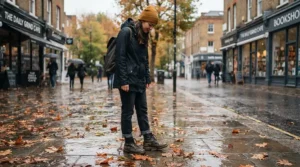
Rubber has a head start. Natural rubber is hardened by vulcanization, the same process described in the Wikipedia article on vulcanization, and it forms one continuous barrier. Leather is a skin, so waterproofing comes from sealed seams, treatments and membranes, which require upkeep. That is why Sorel Emelie III Chelsea WP stresses seam-sealed construction, and why brands like Dr. Martens sell conditioning balms to keep leather supple.
| Factor | Waterproof Leather Upper | Rubber Upper |
|---|---|---|
| Barrier | Treated hide plus sealed seams | Single continuous shell |
| Upkeep | Conditioning and drying | Wipe clean |
| Breathability | Better | Poorer |
| Look | Dressier | Sportier, matte options exist |
| Best For | Office days in Sorel Emelie III Chelsea WP | Wet weekends in Hunter Original Chelsea |
Rubber is the safer waterproof choice, and leather is the better look and feel. If you wear boots five days a week in constant rain, rubber is the lower-maintenance path. If you rotate pairs and mostly face drizzle, treated leather is realistic.
Chelsea Boots for City Commuting: What to Expect in Real-World Performance
Chelsea boots for city commuting live or die on three moments: the curb, the stairs and the door. At the curb, ankle-height rubber boots handle the spray that lands on you from passing traffic. On wet transit stairs, a lugged outsole matters more than brand. At the door, gussets and a pull tab mean no sitting down to remove boots.
Here is the catch. Rubber does not breathe, so a long walk in mild weather can leave your socks damp from the inside. Choosing thin, moisture-wicking socks makes more difference than most buyers expect. Weight also adds up over a 20-minute walk, which is why a lighter leather boot like Sorel Emelie III Chelsea WP can feel nimbler than Hunter Original Chelsea. If your commute involves long platforms or hills, factor in the weight listed on product pages.
Low-Cut Rain Boots: Who They Suit and Who Should Skip Them
Low-cut rain boots shine when your wet days are light-to-moderate. A 13–15 cm shaft, such as on Hunter Original Play Short or Kamik Chloe Lo Chelsea, clears curb water and keeps pants hems cleaner than shoes do.
They are a poor match in three cases:
- Deep standing water. Anything above the shaft pours in.
- Wide-leg trousers that gap. Water can run down the inside of the boot.
- Cold, wet slush. Short boots expose the ankle, so unlined versions chill quickly.
An insulated option, like the Play Short Insulated rated near -5°C, stretches the season. Otherwise think of low-cut rain boots as three-season tools. Analysis: for most urban commuters the trade-off favours low-cut rain boots, because you will actually wear them. A tall boot sitting in the closet protects nobody.
Stylish Waterproof Boots Canada: Weather Reality, Winter Limits and Safety
Choosing stylish waterproof boots Canada needs a regional reality check. Vancouver averages around 169 rainy days a year, with about 1,189 mm of rain at the airport, and far more near the North Shore mountains. Environment Canada’s 1981–2010 normals, compiled by Current Results, show Vancouver averaging about 20 wet days in December. Toronto averages around 13 wet days in the same month, and those days include snow.
What this means for footwear:
- West Coast: frequent drizzle favours lightweight ankle rubber such as Kamik Chloe Lo Chelsea.
- Ontario and Quebec: mixed rain, slush and cold favour lined options such as Chooka Delridge.
- Atlantic Canada: heavier, wetter autumns reward taller boots like Kamik Jennifer.
Safety matters too. Wet leaves and black ice punish shallow tread, so choose a deeply lugged outsole. Rubber Chelsea boots are not true winter boots, and below about -5°C you are into insulated-boot territory. If you want one boot that does a bit of everything, a lined rubber Chelsea plus good wool socks is the practical Canadian answer.
Ankle Boot Styling: How to Wear Chelsea Rain Boots Without Looking Like You Lost a Fishing Trip
Ankle boot styling is simple once you know the rules. Rubber Chelsea boots look best matte, not glossy, and in neutral colours like black, navy or olive.
- Jeans: cropped or slim jeans that end at or just above the boot top. A bunched hem fights the gussets.
- Dresses and skirts: pair with opaque tights or ankle socks, so the rubber line looks intentional.
- Wide-leg trousers: make sure the hem skims the boot top rather than gapes over it.
- Raincoats: match tones, such as a navy coat with Hunter Original Chelsea in navy.
- Socks: thin, merino-blend socks keep rubber from rubbing and still look neat.
The “Chelsea” part does the styling work. Elastic gussets give the boot a tailored profile, so the right outfit makes it read as an ankle boot that happens to be waterproof. If you want a leather-like look without leather, Hunter Original Chelsea and Sorel Emelie III Chelsea WP are the two most convincing here.
Slip-On Waterproof Footwear: Features That Actually Matter (And Those That Don’t)
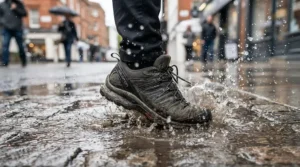
Slip-on waterproof footwear can drown you in marketing language. These are the features worth caring about:
- Pull tab and gussets. They determine whether you actually wear the boots on busy mornings.
- Footbed. A removable EVA insole lets you add arch support, as on Kamik Chloe Lo Chelsea.
- Lining. It sets the temperature range, from plain polyester to plush.
- Outsole depth. It decides your grip on wet pavement.
And these matter less than ads suggest:
- Logo placement. It is a style detail, not performance.
- “Handcrafted” labels. They say little about durability.
- Glossy finishes. Matte rubber hides wear better.
One quirk is worth knowing. Natural rubber can develop a white “bloom” in temperature swings, and the brand says wiping it off with a damp cloth is fine. It is cosmetic, not a defect. Ignoring that detail causes many unnecessary returns.
Long-Term Cost and Maintenance
Cost-per-wear tells the real story. Imagine a boot in the C$180 ballpark worn on 100 wet days over three seasons: that is about C$1.80 per wear. A C$60 boot worn 50 times is about C$1.20 per wear, but it may need replacing sooner.
| Boot Type | Upfront Range | Upkeep | Best For |
|---|---|---|---|
| Premium rubber Chelsea (Hunter Original Chelsea) | C$130–C$240 | Wipe, occasional buffing | Daily wear |
| Waterproof leather (Sorel Emelie III Chelsea WP) | C$130–C$200 | Conditioning | Office days |
| Budget rubber (Kamik Jennifer) | C$50–C$90 | Wipe clean | Heavy-duty use |
Maintenance schedule:
- Weekly: wipe off mud with a damp cloth and air-dry away from heaters.
- Monthly: buff rubber and check seams on leather.
- Seasonally: condition leather and store boots upright, away from direct sun.
Analysis: cheap boots win on cost per wear if you replace them rarely and treat them well. Premium boots win when fit and comfort get you to wear them more. The costly mistake is a beautiful pair that stays by the door.
Real-World Scenarios: Matching Boots to Your Life
Precipitation frequency varies wildly across Canada. MoneySense’s weather rankings note about 106 days a year of precipitation in Kamloops and about 137 in l’Assomption, Quebec. Match your boots to your own wet-day count.
The Vancouver SkyTrain commuter. Her wet days exceed 150 a year and her walks are short. A lightweight, low-cut choice such as Kamik Chloe Lo Chelsea keeps her dry and presentable, with a budget well under C$130.
The Toronto grad student on a tight budget. He needs cheap, warm and fast. Chooka Delridge with wool socks covers fall rain and early cold, and he keeps the spend near C$100.
The Montreal professional. She wants one boot that passes in a meeting. Sorel Emelie III Chelsea WP or Hunter Original Chelsea are the dressier answers, depending on whether she prefers leather or rubber.
The Halifax dog walker. Mud and puddles rule his week. Kamik Jennifer or L.L.Bean Rugged Wellie Chelsea gives him coverage and traction without a premium price.
Problem → Solution Guide: Fixing the Most Common Boot Annoyances
Problem: the ankle rubs. Reviewers of Hunter Original Chelsea mention rubbing where panels meet. Wear thin, seamless socks and break the boots in around the house first.
Problem: no half sizes. If you are between sizes, brand guidance on Hunter Original Play Short suggests sizing down, as it runs large. Check each brand’s notes.
Problem: stiff pull-on. Use the pull tab, loosen the footbed slightly and wear the boots for short outings first.
Problem: white powdery film. That is rubber bloom. Wipe it with a damp cloth, as the brand advises.
Problem: damp, smelly boots. Remove insoles after use and air-dry boots away from direct heat. A removable footbed, as on Kamik Chloe Lo Chelsea, makes this easy.
Common Mistakes When Buying Rain Boots
Most regrets come from five predictable mistakes.
- Buying on looks alone. A gorgeous boot that rubs or weighs a ton gets left at home.
- Ignoring shaft height. Ankle boots cannot handle deep water, no matter how good the rubber.
- Assuming all leather is waterproof. Only sealed, treated leather like Sorel Emelie III Chelsea WP is built for it.
- Skipping the outsole. Shallow tread turns wet leaves into a hazard.
- Forgetting the return policy. Fit varies enough that you should confirm returns before buying.
A final warning: do not buy for the one rainy day you imagine. Buy for the average wet day you actually live. That one change fixes most bad purchases.

FAQ
❓ Are Chelsea rain boots really waterproof?
❓ Can I wear Chelsea rain boots in a Canadian winter?
❓ Should I size up or down in rubber Chelsea boots?
❓ Are rubber rain boots better than waterproof leather for commuting?
❓ How long do rubber Chelsea boots last?
Conclusion
So, which wins in Chelsea rain boots vs rubber rain boots? The answer is “it depends,” but now you know what it depends on. Tall rubber such as Kamik Jennifer wins when water runs deep and the dress code is relaxed. Chelsea rain boots win when you need to look put-together, slip into your boots in seconds and walk mostly on sidewalks. For most city dwellers that makes the ankle-height style the smarter daily driver.
If you want a rubber icon, Hunter Original Chelsea is the classic pick. If you prefer leather, Sorel Emelie III Chelsea WP offers a lighter, dressier route. For lower prices, Kamik Chloe Lo Chelsea and Chooka Delridge are the sensible entry points, while Hunter Original Play Short and L.L.Bean Rugged Wellie Chelsea cover low-cut and rugged needs. Check the size chart, confirm the return policy and match the boot to your wettest typical day.
Recommended for You
- Rubber Rain Boots: 7 Best Picks For Canadians In 2026
- Men’s Rain Boots Under $60 CAD: 7 Best Picks For 2026
- Tall Rain Boots Under $80 CAD: 7 Best Picks For 2026
Disclaimer: This article contains affiliate links. As an Amazon Associate, I earn from qualifying purchases. If you purchase products through these links, we may earn a small commission at no additional cost to you.
✨ Found this helpful? Share it with your friends! 💬🤗
