
In This Article
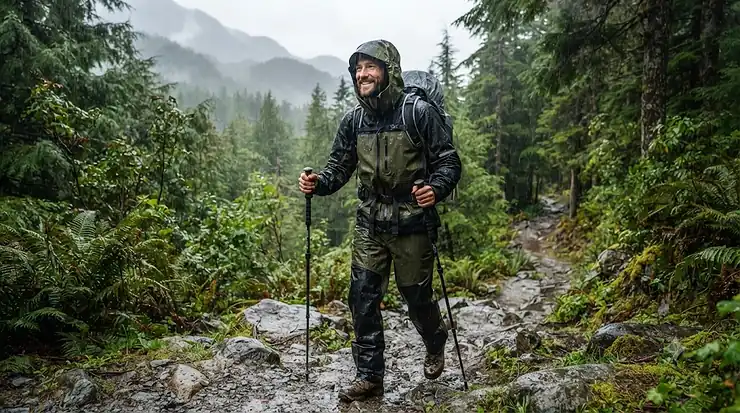
Rain doesn’t care about your schedule. It shows up mid-commute, mid-hunt, mid-shift, and mid-motorcycle-ride, and if your gear isn’t up to the job, the rest of your day gets soggy fast. A 2 piece rain suit men’s shoppers can actually rely on is a jacket and matching pants sold or worn as a coordinated set, built to seal out water while letting you move, bend, and layer as conditions demand.
What makes the format worth choosing over a single-shell raincoat comes down to flexibility: you can wash, replace, or size each half independently, wear just the jacket on a drizzly walk to the truck, or pair the pants with a completely different top layer when the temperature swings. That’s the whole appeal of the two-piece design, and it’s why outdoor workers, commuters, hunters, and weekend riders across Canada keep circling back to it winter after winter.
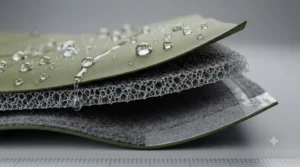
This guide breaks down seven real products currently sold on amazon.ca, spanning ultralight budget shells, hi-vis work-certified suits, and premium packable systems built for years of use. Every pick here is grounded in actual manufacturer specifications and aggregated customer feedback, not marketing copy, because a rain suit that looks good on a listing page but leaks at the crotch after three wears isn’t worth your money. Waterproofing itself is a measurable property — fabric engineers typically define a waterproof fabric as one that resists a specific water pressure before leaking, and that distinction matters more than most shoppers realize when comparing a C$25 shell to a C$200 one.
Whether you’re outfitting yourself for a Muskoka fishing trip, a construction site in Surrey, or a rainy Halifax motorcycle commute, the right two-piece system comes down to matching the suit’s real-world strengths to your specific conditions — which is exactly what the rest of this guide walks through.
Quick Comparison Table
| Product | Best For | Price Range (CAD) | Waterproof Rating |
|---|---|---|---|
| Frogg Toggs Ultra-Lite2 | Budget & backup gear | Under C$40 | 100% waterproof, non-breathable membrane |
| TideWe Rain Suit | Hunting & fishing versatility | C$60-C$85 | 100% waterproof, breathable |
| Pioneer Hi-Vis Lightweight Suit | Certified roadside/work visibility | C$70-C$95 | 100% waterproof, CSA Z96 certified |
| Carhartt Medford Rain Defender | Rugged daily workwear | C$130-C$175 | Fully waterproof, PU-coated |
| Nelson-Rigg Stormrider SR-6000 | Motorcycle commuting | C$85-C$120 | 100% waterproof, PVC-backed |
| Helly Hansen Impertech Deluxe | Commercial-grade, all-day exposure | C$180-C$230 | 100% waterproof, non-breathable urethane |
| Columbia HydroTech Packable Set | Packable travel & hiking | C$140-C$180 | Waterproof-breathable, seam-sealed |
Looking at the spread above, there’s no single “best” two-piece rain suit — there’s a best one for your specific rain problem. The Frogg Toggs Ultra-Lite2 wins on pure value and packability, while the Helly Hansen Impertech Deluxe justifies its higher price with commercial-grade durability that professional fishing guides trust daily. Buyers commuting by motorcycle should weight the Nelson-Rigg Stormrider SR-6000 heavily since it’s purpose-built with reflective striping and boot-friendly leg zips that hiking-oriented suits simply don’t offer.
💬 Just one click — help others make better buying decisions too!😊
Top 7 2 Piece Rain Suits for Men: Expert Analysis
1. Frogg Toggs Ultra-Lite2 — best ultralight budget pick
The standout here is weight: a complete Frogg Toggs Ultra-Lite2 suit in a men’s large tips the scale at roughly 300 grams (about 10.5 oz), making it one of the lightest two-piece systems sold on amazon.ca.
That featherweight number comes from a non-woven polypropylene bilaminate fabric with welded seams — essentially a more durable cousin of house-wrap material. In practice, this means the suit folds down small enough to live permanently in a glovebox, tackle box, or daypack, and the ASTM F1670-certified waterproofing keeps rain out even though the material itself feels almost paper-thin.
Based on the spec comparison with heavier suits on this list, the Frogg Toggs Ultra-Lite2 is best suited to buyers who need occasional, lightweight backup protection rather than daily-wear durability — think campers, backpackers, and anyone who wants a suit they won’t feel guilty leaving in the truck all season. Reviewers consistently report that the jacket outlasts the pants, since the trouser fabric tears more easily at the crotch and knees under repeated bending or brush contact.
Aggregated customer feedback across Trailspace and Walmart reviews is split but leans positive: buyers frequently praise the near-weightless packability and describe it outperforming jackets costing ten times as much in light-to-moderate rain, while a recurring complaint centres on durability after a single hard season of use.
Pros:
- ✅ Among the lightest two-piece suits available, easy to always carry
- ✅ Packs into its own stuff sack smaller than a water bottle
- ✅ ASTM-certified waterproof performance at a rock-bottom price
Cons:
- ❌ Non-woven fabric tears easily on brush, rocks, or repeated flexing
- ❌ No breathability venting, so clamminess builds up during exertion
At under C$40 for the complete set, the Frogg Toggs Ultra-Lite2 is hard to beat as an emergency-grade purchase, though buyers wanting season-after-season durability should look further down this list.
2. TideWe Rain Suit — best all-rounder for hunting and fishing
The TideWe Rain Suit stands out for its balance of true waterproofing and enough breathability to wear through a full day of outdoor work without soaking through from the inside.
Constructed from high-density non-woven polyester with sealed seams, the suit includes two oversized side pockets, an adjustable detachable hood, and elastic-cinch cuffs at the wrists and ankles — details that matter when you’re pulling the jacket on over waders or work boots in a hurry. What most buyers overlook about this model is that the pants run slightly generous, according to the brand’s own sizing notes, so ordering true-to-size instead of your usual measurement avoids a baggy fit.
This suit is a strong match for hunters, anglers, and off-roaders who need gear that’s quiet in the field (no crinkly PVC sound) and tough enough to survive brush, boat decks, and ATV rides. Reviewers consistently note that the jacket held up in side-by-side comparisons against far pricier Gore-Tex-branded shells during multi-hour rain exposure, though a common complaint is that the fold-over pocket closures aren’t fully sealed against a determined downpour.
Pros:
- ✅ Genuinely breathable — less clamminess than pure-PVC suits
- ✅ Two large side pockets for gear, keys, or a phone
- ✅ Comes with a compact air-mesh storage bag
Cons:
- ❌ Pockets lack zippers, so heavy rain can seep in
- ❌ Sizing runs large; consult the chart before ordering
At around C$60-C$85 for the complete two-piece set, the TideWe Rain Suit delivers noticeably more comfort per dollar than entry-level disposable-feeling suits, making it a smart mid-budget pick for anyone spending real hours outdoors.
3. Pioneer Hi-Vis Lightweight Rain Suit — best for certified roadside visibility
What sets the Pioneer Hi-Vis Lightweight Rain Suit apart is certification: it’s built to meet ANSI 107-20 Class 1 Type O and CSA Z96-22 Class 1 standards, making it one of the few two-piece options on this list with third-party-verified visibility performance for the Canadian market.
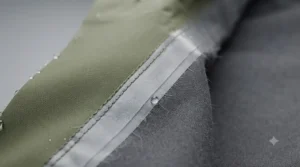
The 100% waterproof polyester/PVC shell uses taped, heat-sealed seams, and the bib-style pants pair with elastic suspenders and snap-adjustable hems designed to seal tightly around work boots. On paper, this means road crews, utility workers, and anyone working roadside in low visibility gets both rain protection and a documented safety margin — reflective StarTech tape placement isn’t guesswork here, it’s tested against a published standard.
Based on the spec comparison, this suit is purpose-built for regulated workplaces rather than recreational use; the trade-off for that certification is a boxier, less athletic cut than hiking-oriented suits. Aggregated feedback on similar Pioneer safety gear points to strong performance in cold, wet conditions but notes the PVC shell doesn’t breathe as well as woven-fabric alternatives, so pairing it with moisture-wicking base layers matters more here than with other suits on this list.
Pros:
- ✅ CSA Z96-22 and ANSI 107-20 certified for visibility compliance
- ✅ Bib-style pants with suspenders stay put during bending and climbing
- ✅ Heat-sealed, taped seams for genuine downpour protection
Cons:
- ❌ PVC construction traps heat and moisture more than woven fabrics
- ❌ Bulkier fit isn’t ideal for hiking or athletic movement
Priced in the C$70-C$95 range for the set, the Pioneer Hi-Vis Lightweight Rain Suit is the clear choice for anyone whose job or municipal bylaw requires certified high-visibility rainwear rather than just “yellow and shiny.”
4. Carhartt Medford Rain Defender Coat & Pant — best rugged daily workwear
The Carhartt Medford Rain Defender set earns its spot through sheer toughness: heat-sealed seams plus separately sewn major seams give it two layers of leak defence most rain suits only bother with once.
The 100% polyester knit fabric carries a stretchable polyurethane coating, meaning it flexes with your shoulders and knees instead of stiffening up in cold weather like cheaper PVC suits tend to. The jacket’s dual lower-front pockets close with hook-and-loop instead of flimsy snaps, and the pants add reinforced double knees plus a reinforced seat — small details that matter enormously if you’re kneeling on wet concrete or crawling under equipment all day. Here’s what to weigh: this is workwear-grade durability, not ultralight packability, so it won’t fold into a jacket pocket like the Frogg Toggs Ultra-Lite2 will.
This suit suits tradespeople, landscapers, and anyone whose rain gear needs to survive daily abrasion rather than occasional weekend use. Reviewers consistently praise the stretch fabric’s comfort during physical labour, while a recurring theme in feedback is that the jacket’s attached hood, while functional, isn’t as adjustable as dedicated outdoor-brand hoods.
Pros:
- ✅ Reinforced knees and seat built for kneeling, crawling work
- ✅ Stretchable PU coating flexes instead of stiffening in cold
- ✅ Trusted 130-plus-year workwear brand with wide size range
Cons:
- ❌ Heavier and bulkier than recreational-oriented suits
- ❌ Hood offers less adjustability than premium outdoor brands
Combined jacket-and-pant pricing typically lands in the C$130-C$175 range, positioning the Carhartt Medford Rain Defender as a mid-to-premium investment that pays off in multi-year durability for daily wear.
5. Nelson-Rigg Stormrider SR-6000 — best for motorcycle commuting
The Nelson-Rigg Stormrider SR-6000 is purpose-engineered for riders, and it shows: oversized zippered leg gussets let you pull the pants on over boots without removing them, something almost no hiking-style rain suit accommodates.
The soft polyester shell with PVC backing is fully waterproof, and the jacket adds an adjustable zippered back vent plus a corduroy-lined collar with a stowaway hood — details a motorcyclist actually needs at highway speed. What most buyers overlook about this model is the non-slip reinforced seat panel on the pants, which keeps you anchored on a wet seat during hard braking, a feature purely recreational rain suits skip entirely. Riders navigating Canadian highways in low visibility should note that reflective accent striping is standard, which aligns with the broader safety principle Canadian regulators emphasize: Transport Canada’s own road safety research points to visibility gear as one of the more effective ways motorcyclists reduce their risk on shared roads.
Aggregated rider feedback describes solid performance in sustained highway rain, with the suit keeping two testers dry through roughly 50 miles of heavy downpour on I-40. A recurring complaint, though, involves long-term durability — some riders report zipper jams and eventual crotch-seam leaks after repeated heavy use.
Pros:
- ✅ Zippered leg gussets allow pants on/off over riding boots
- ✅ Reflective striping improves motorcyclist visibility in rain
- ✅ Reinforced non-slip seat panel for wet-seat traction
Cons:
- ❌ Some long-term reports of zipper jams and seam leaks
- ❌ Non-breathable PVC backing gets warm in stop-and-go traffic
At roughly C$85-C$120 for the jacket-and-pants combination, the Nelson-Rigg Stormrider SR-6000 remains one of the more affordable motorcycle-specific two-piece systems, though riders logging serious annual mileage may eventually want to budget for a premium alternative.
6. Helly Hansen Impertech Deluxe — best premium commercial-grade suit
The Helly Hansen Impertech Deluxe trades breathability for something commercial fishing crews value more: total, unwavering waterproofness under sustained, heavy exposure.
Built from knit polyester coated with a stretch polyurethane membrane, the suit is fully waterproof rather than waterproof-breathable, using MicroWeld seam construction instead of stitched-and-taped seams to eliminate a common leak point entirely. On paper this means the suit won’t wick moisture vapour out as effectively as the Columbia HydroTech set below, but it also means there’s no seam-tape to eventually peel or fail after years of hard use — a trade-off Alaskan fishing and hunting guides have leaned on for decades according to industry reviewers. The jacket’s back-cape ventilation panel and double-entry front pockets add practical touches for anyone layering gear underneath.
This suit is the right call for commercial fishers, marine workers, and anyone facing all-day, non-stop rain where “breathable” ultimately matters less than “doesn’t leak, ever.” Reviewers consistently note the trade-off is real: the suit doesn’t breathe, so a full day of physical activity in it means sweating, but it also means zero leaks even in a genuine downpour that overwhelms lighter suits.
Pros:
- ✅ MicroWeld seams essentially eliminate stitch-hole leak points
- ✅ Trusted by commercial fishing and hunting guides for decades
- ✅ Back-cape ventilation improves airflow despite non-breathable shell
Cons:
- ❌ Non-breathable membrane causes sweat buildup during activity
- ❌ Among the heaviest and priciest suits on this list
Expect to pay in the C$180-C$230 range for the complete Helly Hansen Impertech Deluxe jacket and pant set — a genuine investment, but one that professional users consistently justify through multi-season reliability.
7. Columbia HydroTech Packable Rain Jacket & Pant — best packable, breathable premium pick
The Columbia HydroTech Packable set is built around Omni-Tech waterproof-breathable technology, and both pieces pack down into their own hand pocket — a genuinely useful feature none of the workwear-oriented suits on this list offer.
The 2.5-layer construction keeps weight low while still delivering full seam sealing, which on paper means significantly less internal condensation than the PVC-based suits higher up this list during moderate exertion like hiking or cycling. What most buyers overlook about this system is that it’s sold as two separate SKUs — jacket and pant — which actually works in the buyer’s favour, since you can size each piece independently rather than being locked into a single combined size chart.
This is the pick for hikers, commuters, and travellers who want genuine breathability alongside real packability, rather than pure workhorse durability. Aggregated reviews consistently praise the pants’ waterproof performance across drizzle, downpours, and even sleet, while the recurring critique is that breathability, while better than PVC, still isn’t Gore-Tex-level during heavy aerobic activity.
Pros:
- ✅ Genuine 2.5-layer waterproof-breathable performance
- ✅ Packs into its own pocket for backpack or bike-bag storage
- ✅ Jacket and pants sized and sold independently
Cons:
- ❌ Breathability still lags true 3-layer premium hardshells
- ❌ Higher price point than most work-oriented two-piece suits
Priced around C$140-C$180 for the jacket-and-pant combination, the Columbia HydroTech Packable set rewards buyers who prioritize all-day comfort and portability over sheer workhorse toughness.
Two-Piece vs One-Piece Rain Suits: Why the Split Design Wins
A one-piece rain suit — essentially a boiler-suit-style coverall — sounds simpler, but it sacrifices exactly the flexibility that makes a two-piece jacket and pants rain set worth choosing in the first place. When your jacket and pants are separate garments, you get genuine mix-and-match capability: wear just the top on a drizzly dog walk, just the bottoms while working on a boat deck with a t-shirt underneath, or swap a worn-out jacket for a new one without replacing pants that still have years left in them.
Separate sizing options matter more than shoppers expect, too. Body proportions rarely match a single coverall size chart perfectly — someone with a longer torso and shorter legs, or the reverse, ends up compromising on fit with a one-piece suit in a way a coordinated two-piece rain gear set simply avoids, since jacket and pants are sized independently against your actual measurements.
Independent use is the other underrated advantage. A one-piece suit demands an all-or-nothing approach: put it fully on, or don’t bother. A two-piece system lets you layer the pants under waders, or wear the jacket over a dress shirt heading into a meeting, without looking like you’re dressed for a hazmat drill. The Nelson-Rigg Stormrider SR-6000 and Carhartt Medford Rain Defender both illustrate this well — riders and tradespeople frequently report wearing just one half depending on the day’s actual weather severity, something a coverall design can’t accommodate.
| Factor | Two-Piece Suit | One-Piece Coverall |
|---|---|---|
| Sizing flexibility | Jacket and pants sized separately | Single size must fit both halves |
| Independent wear | Yes — wear jacket or pants alone | No — all-or-nothing |
| Ease of bathroom breaks | Simple, unzip pants only | Requires full suit removal |
| Replacement cost | Replace only the worn half | Replace entire suit |
The bathroom-break row alone explains why most outdoor workers and hunters gravitate toward two-piece systems after trying a one-piece coverall once. Being able to replace just a torn pair of pants — rather than an entire suit — also means the TideWe Rain Suit or Pioneer Hi-Vis Lightweight Rain Suit end up cheaper to own over several seasons than a comparable one-piece alternative, even at a similar upfront price.
Two-Piece Rain Suit Reviews: What Real Buyers Say
Aggregated customer sentiment across the products above reveals a consistent pattern: buyers overwhelmingly praise waterproof performance itself — genuine leaks are rare across every suit on this list — while nearly every recurring complaint centres on secondary details like pocket closures, zipper longevity, or breathability under exertion.
The TideWe Rain Suit and Frogg Toggs Ultra-Lite2 both draw repeated praise for outperforming their price point, with reviewers on Walmart and Trailspace specifically noting they stayed drier in testing than jackets costing several times more. On the premium end, the Helly Hansen Impertech Deluxe earns trust specifically from professional users — Alaskan fishing and hunting guides consistently cite it as bombproof against leaks, even if comfort during exertion suffers.
What most buyers overlook when reading star ratings alone is that a suit’s average rating often blends two very different use cases: casual outdoor wear versus daily occupational exposure. A suit rated highly by weekend campers may perform very differently for someone wearing it ten hours a day on a job site — which is exactly why this guide separates recommendations by use case rather than ranking products purely by star average.
How to Choose a 2 Piece Rain Suit Men’s
- Match the fabric to your activity level. Non-breathable PVC suits like the Pioneer Hi-Vis or Helly Hansen Impertech Deluxe excel at total waterproofing but trap sweat during exertion; breathable options like the Columbia HydroTech suit hikers and commuters better.
- Check certification if visibility or workplace compliance matters. Only certified suits like the Pioneer Hi-Vis Lightweight Rain Suit guarantee tested performance against ANSI/CSA standards rather than marketing claims alone.
- Weigh weight against durability. The lightest suits, like the Frogg Toggs Ultra-Lite2, sacrifice long-term toughness; heavier suits like the Carhartt Medford trade packability for years of abrasion resistance.
- Confirm sizing runs true before ordering. Several suits on this list, including the TideWe Rain Suit, run generously sized — always check the specific brand’s chart rather than assuming standard sizing.
- Consider activity-specific features. Motorcyclists need leg zips and reflective striping like the Nelson-Rigg Stormrider SR-6000 offers; hunters benefit from quiet fabric and large pockets like the TideWe Rain Suit provides.
- Factor in real pricing, not sale-price hype. Prices fluctuate constantly on Amazon, so always check current pricing at checkout rather than relying on a number from a review article.
- Decide if you need pieces sold separately. Suits like the Columbia HydroTech set let you buy and size the jacket and pants independently, which matters if your torso and leg proportions don’t match standard charts.
2 Piece Rain Suits for Different Outdoor Audiences
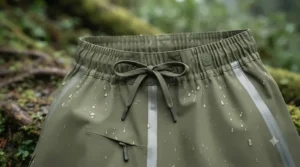
Beginners heading into their first wet-weather season are usually best served by the TideWe Rain Suit — forgiving sizing, genuine breathability, and a price point low enough that a sizing mistake isn’t a financial disaster. Experienced outdoorspeople who already know their preferred fit and expect years of hard use, meanwhile, tend to gravitate toward the Carhartt Medford Rain Defender or Helly Hansen Impertech Deluxe, since both suits reward the extra upfront cost with genuinely longer service life.
Budget-conscious buyers shouldn’t assume cheap automatically means disposable, either — the Frogg Toggs Ultra-Lite2 performs admirably for its price class specifically because buyers understand its limitations going in and use it accordingly (as backup gear, not daily armour). Motorcyclists occupy a distinct category entirely: features like boot-friendly leg zips and reflective striping on the Nelson-Rigg Stormrider SR-6000 simply don’t exist on suits designed for hiking or work sites, so riders should resist the temptation to buy whatever’s cheapest and instead prioritize suits engineered specifically for two-wheeled commuting.
Tradespeople facing municipal or provincial workplace safety requirements have the narrowest field of genuinely appropriate choices — only certified hi-vis suits like the Pioneer Hi-Vis Lightweight Rain Suit satisfy documented visibility standards, making certification (not just colour) the deciding factor for this audience.
Practical Usage Guide: Getting the Most from Your Jacket and Pants Rain Set
Getting real value out of any jacket and pants rain set starts before the first wear: check that seams are fully sealed and that the DWR (durable water repellent) coating, if present, hasn’t been compromised in shipping by folding creases. During the first 30 days, avoid machine-drying suits with PU or PVC coatings on high heat, since excess heat can cause coatings to crack or peel prematurely — a mistake that quietly shortens the lifespan of otherwise excellent suits like the Carhartt Medford Rain Defender.
For maintenance, hand-washing with a mild detergent and air-drying preserves waterproofing far longer than a standard washing machine cycle, and this holds true even for heavier-duty suits. The Canadian Centre for Occupational Health and Safety notes that a fully waterproof outer layer is a core recommendation for anyone working in wet, cold conditions — which underscores why maintaining that waterproof barrier through proper care isn’t optional for daily-wear users.
A common first-30-days mistake is over-tightening hood drawstrings or wrist cuffs, which can stress stitching at anchor points prematurely. Instead, adjust gradually and re-check fit after the first few wears once the fabric has broken in slightly. For suits with separate jacket and pant pieces, like the Columbia HydroTech set, store both halves together in a single dry bag so you’re never scrambling to find a matching piece when a storm rolls in unexpectedly.
Real-World Scenarios: Matching a Coordinated Rain Gear Set to Your Life
Consider a college student in Halifax commuting eight kilometres daily by bike through Atlantic Canada’s notoriously unpredictable weather. Budget and packability matter most here, making the Frogg Toggs Ultra-Lite2 or TideWe Rain Suit sensible choices — both stuff into a backpack pocket without adding meaningful weight, and neither demands the investment a daily commuter might hesitate to make on gear they’re still testing.
Now picture a construction supervisor in Surrey, British Columbia, spending ten-hour shifts on active roadside job sites through the province’s long, wet winter. Here, certification and durability outrank packability entirely, pointing squarely toward the Pioneer Hi-Vis Lightweight Rain Suit for its CSA Z96 compliance, paired potentially with the tougher Carhartt Medford Rain Defender for days requiring extra abrasion resistance around equipment and materials.
Finally, consider a weekend motorcyclist in Ontario who commutes fair-weather but occasionally gets caught in sudden downpours on longer rides. The Nelson-Rigg Stormrider SR-6000 solves this precisely, with boot-friendly leg zips meaning the suit goes on over riding gear in under a minute at a gas-station stop, rather than requiring a full change of clothes.
Common Mistakes When Buying a 2 Piece Rain Suit Men’s
The most frequent mistake is buying based on price alone without matching the suit to actual use case — a suit built for occasional weekend hikes, like the Frogg Toggs Ultra-Lite2, will disappoint a buyer expecting daily-wear durability, and that’s a mismatch in expectations rather than a flaw in the product itself.
A second common error is ignoring sizing charts in favour of “usual size” assumptions. Several suits on this list, including the TideWe Rain Suit, run generously, while others fit closer to standard measurements — checking the specific brand’s chart every time avoids a frustrating return process. Buyers also frequently overlook breathability needs, assuming all waterproof suits perform identically; anyone doing physical activity in a non-breathable suit like the Helly Hansen Impertech Deluxe should expect to sweat, regardless of how waterproof the shell is.
Finally, many buyers skip verifying certification claims entirely when visibility or workplace compliance matters, assuming “hi-vis yellow” alone satisfies regulatory requirements. Only suits explicitly tested against a published standard, like the Pioneer Hi-Vis Lightweight Rain Suit‘s CSA Z96-22 certification, actually guarantee documented compliance.
Long-Term Cost & Maintenance
Total cost of ownership rarely matches sticker price alone. The Frogg Toggs Ultra-Lite2 costs the least upfront but frequently needs replacing after a single hard season of regular use, meaning a buyer replacing it annually could spend more over three years than someone who bought the Carhartt Medford Rain Defender once and maintained it properly.
| Product | Typical Lifespan (Regular Use) | Approx. Annual Cost Over 3 Years |
|---|---|---|
| Frogg Toggs Ultra-Lite2 | 1 season | Higher (frequent replacement) |
| TideWe Rain Suit | 1-2 seasons | Moderate |
| Carhartt Medford Rain Defender | 3-5+ seasons | Lower (amortized cost) |
| Helly Hansen Impertech Deluxe | 5+ seasons | Lowest per season of daily use |
Reading the numbers above, buyers who need rain gear only occasionally genuinely come out ahead with a cheaper suit replaced as needed, while daily-wear users — tradespeople, commercial fishers, year-round commuters — typically save money long-term by investing upfront in the Carhartt Medford Rain Defender or Helly Hansen Impertech Deluxe rather than repeatedly replacing budget suits.
✨ Don’t Miss These Exclusive Deals! 🔍 Take your rain-ready wardrobe to the next level with these carefully selected products. Click on any highlighted item to check current pricing and availability on amazon.ca. These picks will help you stay dry and comfortable no matter what the forecast throws at you!
Safety, Regulations & Certification Guide
Certification matters most when a rain suit does double duty as safety equipment. In Canada, high-visibility apparel used in occupational settings is governed by CSA Z96, which specifies minimum retroreflective material placement and colour requirements to keep workers visible under vehicle headlights and low-light conditions — a standard the Pioneer Hi-Vis Lightweight Rain Suit is explicitly certified against.
For motorcyclists, visibility isn’t just a comfort feature — it’s a documented safety factor. Reflective elements on suits like the Nelson-Rigg Stormrider SR-6000 align directly with recommendations from Canadian road safety research emphasizing rider conspicuity as one of the more effective ways to reduce collision risk on shared roads. Buyers purchasing rainwear specifically for roadside work or municipal compliance should always confirm the exact certification (ANSI 107-20, CSA Z96-22, or both) rather than assuming any yellow or orange suit automatically qualifies, since uncertified “hi-vis style” suits can look nearly identical to certified ones without meeting the tested standard.
Features That Actually Matter (And Those That Don’t)
Seam construction matters enormously — the difference between taped-and-stitched seams, welded seams, and MicroWeld construction genuinely predicts long-term leak resistance, as the Helly Hansen Impertech Deluxe‘s seam-failure-resistant design demonstrates. Separate sizing options matter too, since a suit that lets you order jacket and pants independently, like the Columbia HydroTech set, accommodates real body proportions far better than a combined size chart ever could.
What doesn’t matter nearly as much as marketing suggests: colour variety and cosmetic styling. A suit’s waterproof rating and seam quality determine whether you stay dry, not whether it comes in navy or olive. Pocket count is a similarly overrated feature on its own — two well-sealed pockets like those on the TideWe Rain Suit beat four poorly closed ones every time, since unsealed pocket flaps are a common entry point for water during sustained rain.
Reflective striping deserves more attention than most buyers give it, particularly for anyone near roadways, while claimed “breathability” numbers without independent testing context deserve healthy skepticism — a suit’s real-world comfort during actual exertion tells you more than a marketing percentage ever will.
FAQ
❓ Are 2 piece rain suits better than one-piece coveralls?
❓ What's the difference between waterproof and water-resistant rain gear?
❓ Can a 2 piece rain suit be worn over regular clothes?
❓ How do I know if a rain suit meets Canadian hi-vis standards?
❓ Do breathable rain suits actually keep you drier than non-breathable ones?
Conclusion
A 2 piece rain suit men’s shoppers choose shouldn’t be a one-size-fits-all decision, because your actual conditions — daily job-site exposure, occasional weekend hikes, or motorcycle commuting through unpredictable weather — determine which trade-offs matter most. The Frogg Toggs Ultra-Lite2 and TideWe Rain Suit cover budget-conscious and versatile mid-range needs respectively, while the Pioneer Hi-Vis Lightweight Rain Suit answers a very specific certification requirement that colour alone can’t satisfy.
For daily-wear durability, the Carhartt Medford Rain Defender and Helly Hansen Impertech Deluxe reward buyers willing to pay more upfront with genuinely longer service life, and riders shouldn’t settle for anything less purpose-built than the Nelson-Rigg Stormrider SR-6000. Buyers prioritizing packable comfort for hiking or travel will likely land on the Columbia HydroTech Packable set as the best fit for that specific use case.
Whichever suit matches your situation, remember that price ranges shift constantly on Amazon, so always confirm current pricing before purchasing rather than relying on any number quoted in a review.
Recommended for You
- Motorcycle Rain Suit 2026: 7 Picks That Actually Keep You Dry
- Fishing Rain Suit 2026: 7 Truly Waterproof Picks for Canada
- Best Rain Suit 2026: 7 Top Picks Reviewed for Canadian Riders
This article contains affiliate links. As an Amazon Associate, I earn from qualifying purchases. If you purchase products through these links, we may earn a small commission at no additional cost to you.
✨ Found this helpful? Share it with your friends! 💬🤗
