
In This Article
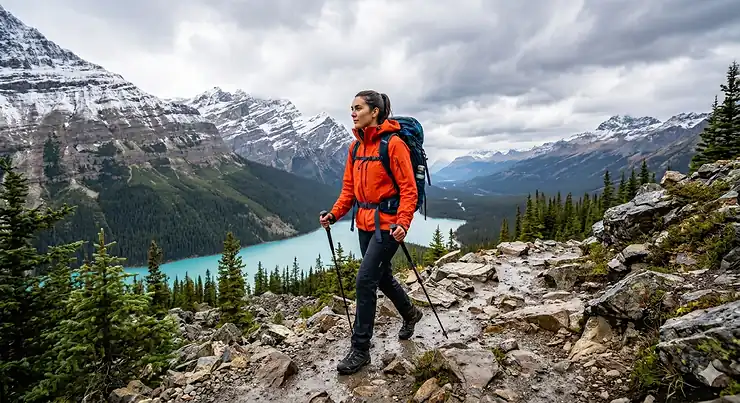
A truly lightweight rain jacket under 300g shouldn’t feel like a compromise — it should feel like you forgot you packed it until the sky opens up. That’s the whole point of the sub-300g rain jackets category: shells light enough to live in a daypack, jersey pocket, or carry-on every single day, in every province, without dragging your shoulders down.
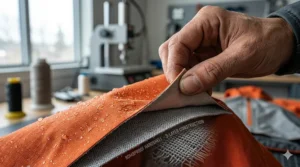
I’ve spent years watching the same scene play out from Halifax to Tofino: someone leaves a heavy three-season jacket at home because it’s “too much,” then gets soaked at a bus stop in April. A proper ultralight rain jacket solves that problem by being so unobtrusive you simply never leave it behind. 🇨🇦
In this guide, we’ll break down seven real lightweight waterproof jackets currently available on Amazon.ca, all weighing under (or right around) 300 grams, with honest commentary on who each one actually suits — not just a spec dump. We’ll also cover how Canadian weather, from coastal downpours to prairie squalls, changes what “good enough” rain protection actually means. Every price below is shown as a CAD range, since Amazon.ca pricing shifts often — always check the current price on Amazon.ca before buying.
Quick Comparison: Lightweight Rain Jackets Under 300g
| Jacket | Weight | Layers | Best For | Price Range (CAD) |
|---|---|---|---|---|
| Arc’teryx Norvan | ~170-215 g | 3L Gore-Tex | Trail runners, minimalists | $260-$320 |
| Outdoor Research Helium | ~190-210 g | 2.5L Pertex Shield | Backpackers, emergency layer | $180-$230 |
| Marmot PreCip Eco | ~250-285 g | 2.5L NanoPro (recycled) | Everyday hiking, value seekers | $130-$180 |
| Black Diamond Stormline Stretch | ~280-320 g | 2.5L BD.dry stretch | Climbers, skiers, mobility | $190-$220 |
| Helly Hansen Loke 2.0 | ~250 g | 2.5L Helly Tech | Commuters, casual outdoor use | $130-$160 |
| Frogg Toggs Ultra-Lite2 | ~155-285 g | Non-woven 2-layer | Budget hikers, emergency kit | $30-$45 |
| 33,000ft Packable Rain Jacket | ~250-300 g | 2-layer coated nylon | First-timers, city/travel use | $50-$70 |
Looking at this table, the gap between the cheapest and priciest jacket here is roughly $280 CAD, yet the weight difference between most of them is under 150 grams — proof that price buys you durability and breathability more than it buys you lightness. If your trips are mostly urban (commuting, festivals, the occasional patio rainstorm), the Helly Hansen Loke or 33,000ft jacket will do the job. If you’re hauling a pack up the Chilkoot Trail or running technical singletrack in the Rockies, the Arc’teryx Norvan or Outdoor Research Helium earn their higher price tags through genuine 3-layer or premium 2.5-layer construction.
💬 Just one click — help others make better buying decisions too! 😊
✨ Don’t Miss These Exclusive Deals!
🔍 Take your rain-day readiness to the next level with these carefully selected jackets. Click on any highlighted item to check current pricing and availability on Amazon.ca. These shells will help you stay dry on every soggy Canadian commute, hike, and weekend escape! 🌧️
Top 7 Lightweight Rain Jackets Under 300g for Canadian Buyers
1. Arc’teryx Norvan Jacket — The Canadian-Made Featherweight 🍃
Arc’teryx designs the Norvan in North Vancouver, and at roughly 170-215 grams depending on size, it’s one of the lightest true 3-layer Gore-Tex shells sold anywhere — a genuinely Canadian piece of gear built for genuinely Canadian rain.
That 3-layer Gore-Tex C-KNIT construction isn’t just a spec line — it means the membrane has a knit backer pressed directly against your skin instead of a separate liner, which is why this jacket breathes noticeably better than cheaper 2-layer shells during a sweaty uphill push on the North Shore trails. The WaterTight zippers (no storm flaps needed) shave weight while still passing extreme wet-weather testing. What most Canadian trail runners overlook about the Norvan is that its slim, helmet-compatible hood is tuned for movement, not for standing still in a downpour — it’s not the jacket for a slow ferry-line wait in February.
Customer feedback consistently praises the breathability and packed size (it crushes down to fist-sized), with the recurring critique being a snug, runner’s fit that doesn’t love bulky mid-layers underneath.
✅ Genuinely made-in-Canada heritage and quality control
✅ Best-in-class breathability for its weight class
✅ Packs down small enough for a running vest pocket
❌ Premium price for a jacket with minimal pockets
❌ Trim fit runs tight over fleece or puffy layers
Expect to pay in the $260-$320 CAD range on Amazon.ca, with availability sometimes limited by size and colour — for the breathability and Canadian engineering, that’s solid value for serious trail and run use, though casual walkers may find the slim cut a minor annoyance.
2. Outdoor Research Helium Rain Jacket — The Ultralight Backpacker’s Standby 🎒
At roughly 190-210 grams for a men’s medium, the Helium has been a thru-hiker favourite for over a decade, and its 2.5-layer Pertex Shield Diamond Fuse fabric is built to resist tearing far better than its featherweight feel suggests.
The single chest pocket doubles as a stuff sack, which sounds minor until you’re trying to find space in an already-stuffed 35-litre pack on a multi-day trip through Algonquin or the Rockies. In my experience, what people overlook about the Helium is that its 2.5-layer build trades breathability for weight savings, so it’s at its best in cool, on-and-off showers rather than a sweaty all-day slog — pair it with a base layer you can vent easily underneath. The elastic-cuff, no-frills design keeps it light, but don’t expect pit zips or hand-warmer pockets here.
Reviewers consistently call out how often this jacket simply gets forgotten in the bottom of a pack — in a good way — because the weight penalty for carrying it “just in case” is essentially zero.
✅ Among the lightest full waterproof shells you can buy
✅ Surprisingly tear-resistant for its weight
✅ Chest pocket stuff-sack keeps packed size tiny
❌ Limited breathability during high-output use
❌ No hand pockets, which matters in cold Canadian wind
Priced around $180-$230 CAD on Amazon.ca, the Helium suits weight-obsessed backpackers and anyone who wants a true emergency layer rather than a daily-wear jacket.
3. Marmot PreCip Eco Jacket — The Reliable Everyday Value Pick 💧
The PreCip Eco lands at roughly 250-285 grams (men’s), built from 100% recycled NanoPro nylon, and it remains one of the most popular rain jackets on Amazon.ca for a reason: it balances weight, price, and features better than almost anything else on this list.
Unlike the ultralight options above, the PreCip Eco includes pit zips and a DriClime-lined chin guard — small details that matter enormously the first time you’re hiking uphill in a light Ontario drizzle and need to dump heat without taking the jacket off entirely. The PFC-free DWR finish is a genuine environmental upgrade over older PreCip versions, not just marketing language, since it eliminates the “forever chemicals” historically used in water-repellent coatings. What most buyers overlook is that the NanoPro membrane, while fully waterproof, isn’t the most breathable laminate on the market — so during a humid Quebec summer storm, you may feel some clamminess on a long hike.
Customer reviews frequently mention it packing easily into its own pocket and holding up well across multiple seasons, with occasional complaints about the trim fit running smaller than expected.
✅ Pit zips for genuine temperature control
✅ Recycled, PFC-free construction
✅ Excellent price-to-feature ratio
❌ Breathability trails behind premium Gore-Tex options
❌ Sizing runs slightly snug — consider going up
At $130-$180 CAD on Amazon.ca, the PreCip Eco is the jacket I’d point a first-time hiker or budget-conscious family toward — it does almost everything well without the premium price tag.
4. Black Diamond Stormline Stretch Rain Shell — Built for Movement 🧗
Weighing approximately 280-320 grams depending on size (smaller sizes land comfortably under the 300g mark), the Stormline’s standout feature is its four-way stretch face fabric — something almost nothing else in this weight class offers.
That stretch matters more than it sounds: most 2.5-layer rain shells get stiff and crinkly in cold weather, restricting your reach exactly when you need it most, like raising your arms to climb over a downed tree on a North Shore trail. The Stormline’s BD.dry membrane combined with the stretch-woven outer keeps mobility high while still sealing out water through fully taped seams. The helmet-compatible hood and long pit zips are details borrowed from Black Diamond’s climbing background, and they translate well to skiing, scrambling, or just biking through a sudden Calgary chinook-season downpour. What’s easy to miss on the spec sheet is that this stretch fabric, while comfortable, isn’t quite as tear-resistant as a stiffer ripstop nylon — so it’s better suited to trail use than bushwhacking through blackberry brambles.
Reviewers highlight the comfortable, non-clammy interior liner and praise the YKK reverse-coil zipper for staying smooth even when wet.
✅ Best-in-class stretch and mobility for a rain shell
✅ Helmet-compatible hood suits skiing and climbing
✅ Long pit zips manage heat effectively
❌ Heavier than ultralight competitors at larger sizes
❌ Stretch fabric is less abrasion-resistant than ripstop
Look for it around $190-$220 CAD on Amazon.ca — a strong choice for climbers, skiers, and anyone who values freedom of movement over absolute minimum weight.
5. Helly Hansen Loke 2.0 — The Norwegian Budget Classic 🌧️
The Loke 2.0 comes in at about 250 grams, and it punches well above its price point thanks to Helly Hansen’s 140-plus years of building rainwear for actual North Atlantic weather — conditions that aren’t far off a Halifax nor’easter.
Its 2.5-layer Helly Tech construction is genuinely waterproof and windproof, with underarm zip vents that do real work on milder days when you’re moving fast but don’t want to overheat under the shell. What most Canadian buyers overlook about the Loke is that, while it’s marketed as an everyday adventure jacket, its thinner liner means it runs cooler than heavier alternatives — layer accordingly once temperatures drop below 10°C. The adjustable hood, cuffs, and hem give a customizable fit that holds up surprisingly well in gusty coastal wind, and the jacket stuffs into its own pocket for transit-bag storage.
Customer feedback frequently calls this jacket “all most people really need,” citing the combination of low weight, low price, and dependable storm protection in everyday conditions rather than expedition-grade extremes.
✅ Excellent value relative to genuine Helly Tech waterproofing
✅ Underarm vents help regulate temperature on the move
✅ Packs into its own pocket for easy transit storage
❌ Zippers and zip-flaps can snag with regular use
❌ Not built for prolonged, heavy multi-day storms
Typically priced $130-$160 CAD on Amazon.ca, the Loke 2.0 suits commuters, casual hikers, and anyone wanting dependable rain protection without paying for technical mountaineering features they’ll never use.
6. Frogg Toggs Ultra-Lite2 Rain Jacket — The Ultimate Budget Pick 💸
At a featherweight 155-285 grams depending on size, the Ultra-Lite2 is built from a non-woven polypropylene fabric rather than a traditional coated nylon — a different approach that keeps the price under $50 CAD while staying genuinely waterproof.
This non-woven construction is the real story here: it’s not as durable as ripstop nylon and will tear if snagged on brush or zippers, but it’s remarkably breathable for something this inexpensive, since the fabric allows more airflow than a typical PU coating. For Canadians who need a rain jacket “just in case” for sideline soccer games, golf, or a stadium seat rather than backcountry abuse, that trade-off makes total sense — you’re paying for waterproofing, not bombproof construction. What buyers consistently overlook is that the included stuff sack genuinely matters here, since this jacket is so thin it can be hard to fold neatly without one.
Reviewers across multiple seasons report it performing reliably in light-to-moderate rain and wind, with the most common complaint being durability concerns after repeated heavy use or rough handling.
✅ Among the lowest-cost genuinely waterproof jackets on Amazon.ca
✅ Surprisingly breathable for the price point
✅ Comes with its own stuff sack for storage
❌ Fabric is delicate and prone to tearing with rough use
❌ Not designed for rugged backcountry conditions
At roughly $30-$45 CAD, this is the rain jacket to keep in a car trunk, golf bag, or kid’s backpack — not the one to take up a scree slope, but exactly right for everyday Canadian “just in case” use.
7. 33,000ft Packable Rain Jacket — The Amazon.ca Travel Favourite ✈️
This Amazon-native brand’s packable jacket weighs around 250-300 grams depending on the men’s or women’s cut, and it’s become one of the platform’s best-selling lightweight rain jackets thanks to a simple formula: solid waterproofing, a low price, and genuinely useful pocket storage.
With 5,000mm waterproof and 5,000g/m²/24hr breathability ratings, this sits in respectable mid-range territory — not Gore-Tex performance, but more than adequate for daily Canadian commuting, golf, or travel where you need reliable rain protection without technical hiking features. What most reviewers overlook is that the 2-inside, 2-outside pocket layout genuinely changes how usable the jacket is day-to-day, since you can carry a phone, wallet, and transit pass without needing a separate bag. The hideaway hood is a smart touch for anyone who wants a cleaner look for the office on dry days. For Canadians dealing with spring slush or a sudden downpour at a farmers’ market, the elastic cuffs and adjustable hem keep wind and water from sneaking in at the edges.
With nearly 5,000 customer reviews and a 4.4-star average on Amazon.ca, feedback consistently highlights the jacket’s packability and value, with occasional notes about the windbreaker-style material feeling less premium than pricier alternatives.
✅ Strong pocket layout for everyday carry
✅ Hideaway hood for a cleaner everyday look
✅ Thousands of verified Canadian reviews to reference
❌ Breathability lags behind premium technical shells
❌ Material feels closer to a windbreaker than a hardshell
Priced around $50-$70 CAD on Amazon.ca with frequent availability, this is the pick for first-time buyers, travellers, and anyone wanting a no-fuss jacket that simply works.
Practical Usage Guide: Getting the Most From an Ultralight Shell
A sub-300g rain jacket rewards a bit of care that heavier jackets shrug off. First, reactivate the DWR (durable water repellent) coating every few months — once water stops beading and starts soaking into the fabric (“wetting out”), the jacket is still waterproof underneath, but it’ll feel cold and clammy. A warm tumble dry on low heat or a spray-on reproofing treatment restores that bead-up effect.
For Canadian winters, never store a packed-down rain jacket in an unheated trunk or garage for months at a time — extreme cold can make thin face fabrics brittle, increasing the risk of creasing or cracking along fold lines. Instead, hang it loosely or store it in a closet at room temperature. When wearing it over a base layer in slushy March weather, leave a thumb’s width of room at the cuffs and hem; ultralight shells trap less warm air than bulkier jackets, so airflow management through vents and zips matters more for comfort.
Common first-30-days mistake: washing with regular detergent, which leaves a residue that kills breathability and DWR performance. Use a technical wash (like Nikwax Tech Wash) instead, and always close all zips and Velcro before washing to protect the coating.
Real Canadians, Real Rain: Matching the Jacket to Your Life
The Toronto condo commuter, walking 15 minutes to the subway daily: the Helly Hansen Loke 2.0 or 33,000ft Packable Rain Jacket make the most sense — low weight for the bag, decent style for the office, and a price point that doesn’t sting if it gets left on a streetcar.
The Vancouver trail runner, training year-round through the wettest months: the Arc’teryx Norvan is built exactly for this — its breathability matters most when you’re working hard in steady coastal drizzle, and its Canadian manufacturing roots resonate with North Shore runners specifically.
The Ottawa family of four planning a Gatineau Park weekend: budget matters across four jackets, so the Marmot PreCip Eco (adult sizes) paired with a Frogg Toggs Ultra-Lite2 for the kids balances protection and cost without buying four premium shells.
The rural Manitoba outdoorsperson dealing with unpredictable prairie squalls: the Black Diamond Stormline Stretch’s mobility and durability edge make sense for farm work, hunting, or fishing where reach and movement matter more than ultra-minimal weight.

Problem → Solution: Common Ultralight Rain Jacket Headaches
Problem: The jacket “wets out” after a season. Solution: reproof the DWR coating with a wash-in or spray-on treatment every 3-6 months of regular use — this is normal wear, not a defect, and it’s the single most common reason people think their rain jacket “stopped working.”
Problem: Condensation buildup inside during exercise. Solution: open pit zips or underarm vents before you start sweating, not after, and choose a 3-layer option like the Arc’teryx Norvan if you’re consistently working hard in the rain.
Problem: Finding Canadian warranty or repair support. Solution: Arc’teryx, Black Diamond, and Marmot all offer warranty service through Canadian customer support channels — keep your Amazon.ca order confirmation as proof of purchase, since most brands honour warranties regardless of retailer.
Problem: A jacket that fit fine in summer feels too tight with winter layers. Solution: size up one size if you plan to layer a fleece or light puffy underneath in colder provinces — most of these jackets, except the Stormline’s stretch fabric, are cut close to the body.
Problem: Salt and slush residue degrading the fabric over a Canadian winter. Solution: rinse the jacket with plain water after exposure to road salt or de-icing chemicals, then air dry fully before storing — salt crystals can accelerate wear on zippers and seam tape.
How to Choose a Lightweight Rain Jacket Under 300g in Canada
- Decide your primary activity first. A jacket optimized for trail running (Arc’teryx Norvan) sacrifices pocket space that a commuter (Helly Hansen Loke) actually needs.
- Match layer count to your climate. 3-layer shells breathe better for high-output use in humid Ontario or BC summers; 2.5-layer shells are lighter and cheaper but trap more moisture.
- Check the hydrostatic head rating if listed. Higher numbers (10,000mm+) mean better resistance to sustained, heavy Canadian rainfall rather than just light drizzle.
- Confirm Amazon.ca size charts against your usual fit, since several premium brands here run noticeably trim through the chest and shoulders.
- Factor in layering room for winter use, since a single rain shell often serves double duty as a wind layer over a fleece during shoulder seasons.
- Weigh durability against your terrain. Ultralight and stretch fabrics handle trails and city use well but tear more easily in dense bush or rock scrambling than heavier ripstop nylon.
- Budget for reproofing, not just the jacket price, since DWR maintenance products add a small but real ongoing cost over the jacket’s lifespan.
Common Mistakes When Buying Sub-300g Rain Jackets
Buyers consistently make the same handful of errors with this category. The biggest is assuming “waterproof” and “breathable” mean the same level of performance across brands — a 2-layer budget shell and a 3-layer Gore-Tex jacket can both claim “waterproof,” but only one will keep you dry and comfortable during sustained activity. Another common mistake is ignoring Canadian winter performance entirely; a jacket rated only for “light rain” may struggle in a sideways November squall off Lake Ontario.
Shoppers also frequently skip checking Amazon.ca-specific warranty and return policies, assuming U.S. listings apply identically — return windows and warranty registration sometimes differ by region. Finally, many buyers overlook layering room, buying their exact dress size rather than sizing up slightly to accommodate a base layer during cooler months, then finding the jacket unwearable once temperatures drop.
Ultralight Rain Jackets vs Heavier 3-in-1 and Insulated Shells
| Factor | Sub-300g Rain Jacket | Heavier 3-in-1/Insulated Shell |
|---|---|---|
| Weight | 150-320 g | 600-1,200+ g |
| Packability | Fits in a pocket or small pouch | Requires dedicated pack space |
| Warmth | None — shell only | Built-in insulation layer |
| Best Season | Spring through fall, mild winters | Deep winter, multi-season versatility |
| Price (CAD) | $30-$320 | $200-$500+ |
The clear takeaway from this comparison is that a sub-300g shell is a specialist tool, not a do-everything jacket — it excels at packing small and disappearing into daily life, but it won’t keep you warm on its own during a -20°C prairie cold snap. For most Canadians, the smarter long-term strategy is owning both: an ultralight shell for three seasons of use, layered over warmer pieces as needed, and reserving a heavier insulated jacket strictly for the coldest weeks of winter.
What to Expect: Real-World Performance in Canadian Conditions
On the West Coast, where Environment and Climate Change Canada has issued rainfall warnings for up to 120 millimetres of rain in parts of Metro Vancouver within a few days, a 2.5-layer jacket like the Marmot PreCip Eco or Helly Hansen Loke will keep you dry through a normal commute, but sustained multi-day coastal storms are where 3-layer construction (Arc’teryx Norvan, premium Black Diamond options) starts to show its advantage in breathability and seam durability.
In the Prairies, lightweight shells face a different challenge: sudden wind-driven squalls rather than constant drizzle. The adjustable hood and hem cinches on the Black Diamond Stormline or Helly Hansen Loke matter more here than raw waterproof rating, since keeping wind-blown rain from sneaking in at the edges is the real test. In Central and Atlantic Canada, humidity during summer storms makes breathability the deciding factor — this is where the gap between a 3-layer Gore-Tex shell and a budget 2-layer jacket becomes most noticeable on a sweaty August hike.
Long-Term Cost & Maintenance in Canada
A $50 CAD budget jacket and a $300 CAD premium shell can end up costing similarly over five years once you factor in replacement cycles. Budget non-woven and basic coated-nylon jackets (Frogg Toggs, 33,000ft) often need replacing every 1-3 seasons of regular use as seams and coatings wear out, while premium 3-layer shells (Arc’teryx, higher-tier Black Diamond) can last 5-10 years with proper DWR maintenance — roughly $15-25 CAD per reproofing treatment, applied once or twice a year for frequent users.
Cross-border shoppers should note that while U.S. retailers sometimes list slightly lower prices before tax, buying through Amazon.ca avoids customs duties, cross-border shipping delays, and warranty complications that can arise when claiming a U.S.-purchased jacket under a Canadian distributor’s service.
Canadian Regulations and Safety Standards for Rainwear
Rain jackets sold in Canada fall under the Textile Labelling Act, which the Competition Bureau enforces to ensure fibre content and care labels are accurate and bilingual — meaning every jacket on this list legally must display both English and French labelling information regardless of where it’s manufactured. While there’s no CSA certification specific to casual rainwear, buyers in Quebec should note that as of recent updates to provincial language law, product packaging and care labels must give French equal visual prominence to English, which can occasionally affect packaging differences between retailers.
There’s no federal “waterproof rating” certification body in Canada the way there is for items like bike helmets, so waterproof claims (2,000mm vs 10,000mm hydrostatic head, for example) rely on manufacturer-reported testing rather than a mandatory government standard — worth keeping in mind when comparing marketing claims across brands.
Features That Actually Matter (and Ones That Don’t)
Actually matters: Taped seams (prevents leaks at stitch lines), adjustable hood and hem (keeps wind-driven rain out), and a genuine hydrostatic head rating above 5,000mm for anything beyond light drizzle.
Doesn’t matter much for most buyers: Excessive pocket counts (most people use one or two), “4-season” marketing language on a shell with no insulation, and ultra-premium fabric tech if your actual use case is a 10-minute walk to the bus stop rather than backcountry expeditions.
Genuinely useful but overlooked: A packable stuff sack or built-in storage pocket, since this single feature determines whether you’ll actually carry the jacket “just in case” — and a jacket that stays home in the closet protects no one from the rain.

❓ FAQ
❓ What's considered a lightweight rain jacket under 300g?
❓ Are sub-300g rain jackets actually waterproof in heavy Canadian rain?
❓ Can I find genuinely lightweight rain jackets on Amazon.ca, or only on Amazon.com?
❓ How do I keep an ultralight rain jacket from 'wetting out' during a Canadian winter?
❓ Do lightweight rain jackets work as a winter layer in Canada?
Conclusion
Choosing among lightweight rain jackets under 300g really comes down to matching the jacket to how you actually move through Canadian weather, not just chasing the lowest weight or lowest price on the spec sheet. If you’re a serious trail runner or hiker who wants Canadian-engineered performance, the Arc’teryx Norvan or Outdoor Research Helium will reward the investment. If you’re commuting, travelling, or outfitting a family for weekend trips, the Marmot PreCip Eco, Helly Hansen Loke, or 33,000ft jacket deliver dependable protection without breaking the budget.
What matters most is that the jacket you choose is one you’ll actually grab on your way out the door — because the lightest, most technically advanced rain shell in the world does nothing for you sitting in a closet while you get soaked walking to the car. Whichever pick fits your life, check current availability and pricing on Amazon.ca before you head out, since stock and seasonal pricing shift throughout the year.
Recommended for You
- Best Bombproof Hardshell Rain Jacket in Canada 2026: Top 7 Picks
- Hardshell vs Softshell Jacket: 7 Top Picks for Canada (2026)
- 7 Best Hardshell Rain Jackets Canada 2026
Disclaimer: This article contains affiliate links. As an Amazon Associate, I earn from qualifying purchases. If you purchase products through these links, we may earn a small commission at no additional cost to you.
✨ Found this helpful? Share it with your friends! 💬🤗
