In This Article
Waterproof rain pants are a layer of weatherproof outerwear worn over your regular pants or base layer to keep your legs dry and warm in rain, slush, or wet snow. A good pair blocks water at the seams and ankles while still letting body heat escape, which matters a lot once you’ve hiked the first kilometre of a Canadian trail in a downpour.
If you live anywhere from the rainforests of coastal British Columbia to the slushy spring streets of Toronto, you already know a rain jacket alone doesn’t cut it. Wet jeans on a 12°C day in Halifax can chip away at your afternoon faster than almost anything else in your closet. Rain pants solve a problem most people don’t think about until they’re standing at a bus stop with soaked thighs, wondering why their “waterproof” jacket didn’t cover the part of them that actually got wet.
This guide rounds up seven waterproof rain pants for sale on Amazon.ca, broken down by budget, fit, and the kind of Canadian weather they’re built to handle — from a quick spring shower in Victoria to a slushy commute through an Ottawa February. We’ll also walk through how to choose the right pair, the mistakes most first-time buyers make, and how these pants actually perform once temperatures drop below zero.
Quick Comparison Table
| Product | Best For | Price Range (CAD)* | Waterproofing | Amazon.ca Availability |
|---|---|---|---|---|
| Frogg Toggs Pro Action Pant | Tightest budget | $30–$50 | 3-layer PU film | Widely in stock |
| Columbia Rebel Roamer / Storm Surge II | Casual day hikes | $80–$100 | Omni-Tech 2L | Widely in stock |
| Marmot PreCip Eco / Full-Zip | All-round value | $100–$150 | NanoPro 2.5L | Widely in stock |
| The North Face Antora | Commuting + light trail | $100–$140 | DryVent 2L | Widely in stock |
| Outdoor Research Helium | Ultralight packing | $150–$190 | Pertex Shield 2.5L | Usually in stock |
| Outdoor Research Foray/Aspire | Durable 3-season use | $200–$250 | GORE-TEX 3L | Usually in stock |
| Arc’teryx Beta / Beta AR | Premium, year-round | $400–$500 | GORE-TEX Pro 3L | Stock fluctuates |
*Prices are typical ranges at the time of writing and change often — check Amazon.ca for the current price before buying.
A few patterns jump out of that table right away. The jump from the Frogg Toggs pants to the Marmot PreCip roughly triples the price but buys you a real ankle zipper, a more durable face fabric, and a fit that survives more than one rough season. The bigger jump — into Outdoor Research and Arc’teryx territory — isn’t really about waterproofing at all, since even the cheapest pair here will keep you dry in a normal rainstorm. It’s about breathability during high-output activity, durability against brush and crampons, and how the pants feel after the fortieth time you’ve pulled them on over wet boots in a parking lot.
💬 Just one click — help others make better buying decisions too! 😊
✨ Don’t Miss These Exclusive Deals!
🔍 Take your rain gear shopping to the next level with the picks below. Click through to check current pricing and availability on Amazon.ca before the weather turns.
The 7 Best Waterproof Rain Pants in Canada
1. Frogg Toggs Pro Action Pant — Best Ultra-Budget Pick
The Frogg Toggs Pro Action pant is built from a three-layer polypropylene material with a microporous film core, and it’s one of the cheapest genuinely waterproof options sold on Amazon.ca. What that spec means in practice: the pores in the fabric are far too small for a water droplet to pass through, but the material still breathes, so you don’t end up clammy on the inside the way you would in a plastic poncho.
What stands out to us about this pair isn’t performance ceiling — it’s the price-to-protection ratio. For a backup pair to keep in a glove box, a daypack, or a kid’s school bag for surprise spring showers, this is hard to beat. The oversized leg openings with hook-and-loop closures are generous enough to pull on over winter boots, which Canadian buyers will appreciate more than American ones.
Customer feedback: Reviewers consistently describe these as good “just in case” pants — reliable for an unexpected downpour, but not something you’d want for a multi-day backcountry trip where durability matters more.
Who it’s for: Anyone who wants a cheap insurance policy against rain, not a primary piece of outdoor kit. Budget-conscious families, commuters, and casual walkers in milder coastal climates get the most value here.
Pros: Lowest price point on this list; packs down small; fits easily over boots.
Cons: No ankle zippers or vents; thinner fabric means a shorter lifespan under hard use.
Price: Around $30–$50 CAD, depending on size and seller. (Check current price on Amazon.ca)
2. Columbia Rebel Roamer II (Men’s) / Storm Surge II (Women’s) — Best No-Frills Value
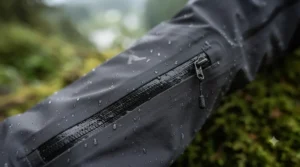
Columbia’s Omni-Tech 2-layer fabric is the workhorse here, and the design philosophy is “do less, but do it well.” There are no pockets, no side zippers, and no fancy venting — just a fully seam-sealed, waterproof-breathable shell with an elastic, drawcord waist and Velcro ankle tabs.
What most buyers overlook about this pair is that the stripped-down design is actually the point. Fewer seams and zippers mean fewer potential failure points, and independent gear testers have repeatedly found these pants resist heavy, sustained rain better than their price suggests. For Canadian winters, that simplicity also matters: there’s no ankle zipper to jam shut with ice.
Customer feedback: The most common praise is “way better than I expected for the price,” with the most common complaint being limited breathability during high-output activity — a fair trade at this cost.
Who it’s for: Casual hikers, ski-resort visitors who want a layer over base pants, and budget-minded buyers who don’t need pockets or technical venting.
Pros: Genuinely storm-worthy for the price; roomy, comfortable cut; easy to layer.
Cons: No pockets at all; less breathable than pricier options on this list.
Price: Around $80–$100 CAD. (Check current price on Amazon.ca)
3. Marmot PreCip Eco / Full-Zip Pant — Best All-Round Value
The Marmot PreCip line uses NanoPro fabric — a coating with pores small enough to block liquid water but large enough to let water vapour escape, which is the basic chemistry behind almost every “breathable waterproof” claim you’ll see on a label. The Eco version is made with recycled face fabric, and the Full-Zip variant adds storm-flap-covered side zippers running the full length of the leg.
This is the pair we’d point most Canadian buyers toward if they only want to own one. The full-length zippers mean you can vent on a steep uphill grade or pull the pants on and off without removing winter boots — genuinely useful when you’re standing in slush at a trailhead trying not to track snow into your car.
Customer feedback: Multiple independent gear reviewers rank the PreCip line among their top picks for casual-to-moderate hiking, citing the adjustable ankle cuffs and roomy fit as standout features, with the main complaint being a slim cut on some sizes that makes layering over thick winter pants tighter than expected.
Who it’s for: The general-purpose Canadian hiker, dog walker, or commuter who wants one pair that handles spring drizzle and a fall backpacking trip equally well.
Pros: Full-length zips for easy on/off over boots; multiple zippered pockets; solid breathability for the price.
Cons: Slimmer fit may feel tight over bulky winter layers; 2.5-layer fabric is less durable than 3-layer Gore-Tex options.
Price: Around $100–$150 CAD, confirmed in this range on current Amazon.ca listings. (Check current price on Amazon.ca)
4. The North Face Antora Rain Pant — Best for Commuters
The Antora uses DryVent 2-layer fabric with a recycled nylon ripstop face and a non-PFC water-repellent finish — meaning The North Face has moved away from the “forever chemical” coatings that older rain gear relied on. Lower-leg zippers and hook-and-loop closures make it easy to pull these on over boots without sitting down on a wet sidewalk to do it.
What we like here is the styling. The relaxed fit and clean lines read more like normal pants than backcountry gear, which matters if you’re pulling these on over work clothes for a rainy commute through Vancouver or Montreal rather than gearing up for an alpine trip.
Customer feedback: Reviewers frequently mention these as their “go-to” for wet trail days and city walking alike, with praise for the articulated knees and a few notes that the fit runs slightly large.
Who it’s for: Urban commuters, casual day hikers, and anyone who wants rain pants that don’t look overtly technical.
Pros: Comfortable, everyday-friendly fit; recycled, PFC-free materials; easy on/off over boots.
Cons: 2-layer construction is less breathable on high-exertion days; sizing runs generously, so check the chart.
Price: Around $100–$140 CAD. (Check current price on Amazon.ca)
5. Outdoor Research Helium Rain Pant — Best Ultralight Option
The Helium uses bluesign-approved Pertex Shield fabric and is built around a simple idea: weigh almost nothing, pack down to the size of a sandwich, and still keep rain out when a storm catches you off guard. A gusseted crotch and ankle zippers round out the feature set without adding bulk.
The spec sheet won’t tell you this, but the real value of an ultralight pair like this is psychological as much as physical — when rain pants weigh next to nothing, you’re far more likely to actually carry them on a day hike instead of leaving them in the car “just in case.” For Canadians who hike the Bruce Trail, the Chilcotins, or anywhere weather can flip in an hour, that’s worth more than a few extra grams of fabric would ever buy you.
Customer feedback: Outdoor gear reviewers consistently rank the Helium among the lightest and most breathable rain pants tested, while noting the slim cut can make them harder to pull on over larger boots.
Who it’s for: Backpackers, thru-hikers, and trail runners who count grams and want emergency-only rain protection, not a daily-wear layer.
Pros: Among the lightest rain pants available; packs into its own pocket; very breathable for its waterproof rating.
Cons: Slim cut can be tricky over big boots; thinner fabric trades some durability for weight.
Price: Around $150–$190 CAD. (Check current price on Amazon.ca)
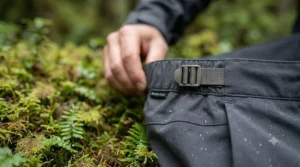
6. Outdoor Research Foray / Aspire Rain Pant — Best for Durability
Stepping up to full GORE-TEX 3-layer construction, the Foray (men’s) and Aspire (women’s) trade a bit of weight for real durability — abrasion-resistant panels, fully taped seams, and internal boot stirrups that work with gaiters in snow.
What most buyers overlook about this tier is that the extra cost mostly buys longevity, not just dryness. A cheaper pair will keep you just as dry on day one; this pair is built to still be doing that after three winters of bushwhacking, crampon use, and being stuffed wet into a pack.
Customer feedback: Reviewers who’ve tested these across multi-month trips report they handle sustained heavy rain, wind, and rough terrain better than lighter options, with the main criticism being non-waterproof zipper flaps that occasionally let a little moisture through in driving rain.
Who it’s for: Backcountry hikers, hunters, and anyone in a genuinely wet climate — coastal BC, Newfoundland — who needs gear that survives repeated hard use.
Pros: True 3-layer GORE-TEX durability; works with gaiters via internal stirrups; roomy without feeling baggy.
Cons: Heavier and pricier than the rest of the mid-tier picks; zipper storm flaps aren’t fully waterproof.
Price: Around $200–$250 CAD. (Check current price on Amazon.ca)
7. Arc’teryx Beta / Beta AR Pant — Best Premium, Canadian-Designed Pick
Arc’teryx is headquartered in North Vancouver, and the Beta AR uses GORE-TEX Pro with what the brand calls “Most Rugged Technology” — a heavier-duty laminate built for repeated abuse from crampons, granite, and brush. Watertight three-quarter-length side zips, a hidden RECCO avalanche-rescue reflector, and Keprotec instep patches round out a genuinely mountaineering-grade pant.
In our experience, this is the pair you buy once and stop thinking about rain gear. The RECCO reflector in particular is a nice piece of Canadian mountain-safety thinking baked into the design — it’s not waterproofing, but it’s the kind of detail that shows where the brand’s priorities sit.
Customer feedback: Long-term owners frequently describe these as worth the price after years of alpine and ski use, with the most common complaint being a lack of pockets and a price tag that puts them out of reach for casual hikers.
Who it’s for: Skiers, mountaineers, and serious four-season hikers who need genuinely bombproof protection and don’t mind paying for it.
A stock note: Several Arc’teryx Beta listings on Amazon.ca show as “currently unavailable” at different times, since this brand sells through limited retail partners. If you can’t find your size in stock on Amazon.ca, Arc’teryx’s own Canadian site and major retailers like Sport Chek typically carry the same models.
Pros: Exceptional durability and weatherproofing; built-in RECCO reflector; designed and tested in Canadian mountain conditions.
Cons: High price; minimal pockets; stock on Amazon.ca isn’t always consistent.
Price: Roughly $400–$500 CAD when in stock. (Check current price on Amazon.ca)
How to Choose Waterproof Rain Pants in Canada
- Match the layer count to your climate. A 2-layer pant like the Antora is fine for occasional rain in milder regions; a 3-layer GORE-TEX pant earns its price in places with sustained heavy rain, like coastal BC.
- Check for ankle or side zippers. If you’ll be putting these on over winter boots in a parking lot, full or three-quarter zips save real frustration.
- Think about breathability before waterproof rating. Almost everything on this list will keep you dry in a normal Canadian downpour — the real differentiator is whether you overheat hiking uphill in it.
- Size up for layering. Canadians often wear rain pants over insulated layers in shoulder-season weather; a slim-fit pair that’s perfect in summer can feel tight by November.
- Decide how often you’ll actually use them. If it’s “a few times a year,” the budget tier is genuinely fine. If it’s “every wet commute from October to April,” the cost-per-wear math favours a more durable pair.
- Look at the closure type at the ankle. Velcro tabs are simpler and more weather-resistant; zippers vent better but need more care in icy conditions.
- Confirm Amazon.ca availability before falling in love with a specific model. Smaller or premium brands sometimes have thinner Canadian inventory than their US listings suggest.
Real-World Performance in Canadian Conditions
Spec sheets describe lab conditions, not a Tuesday commute in March. Here’s how that translates:
Coastal BC (Vancouver, Victoria): Sustained, often light-to-moderate rain over many consecutive days. According to Environment and Climate Change Canada’s climate data, BC’s south coast sees some of the country’s highest annual precipitation totals. This is where the durability of 3-layer fabrics like the GORE-TEX in the Foray/Aspire and Arc’teryx Beta actually pays off, since the pants are wet far more often than they’re dry.
The Prairies (Calgary, Winnipeg, Saskatoon): Less frequent but often more intense rain, with a sharper transition to snow. A mid-tier pair like the Marmot PreCip handles this well — you don’t need maximum durability for occasional storms, but breathability matters during the dry, sunny stretches in between.
Central and Eastern Canada (Toronto, Montreal, Halifax): Spring thaw and slush are the bigger test, not rain itself. Ankle zippers and a Velcro cuff that seals tightly against road slush matter more here than raw waterproof rating.
Northern and remote regions: Shipping times run longer, and returns can take a while to process. If you’re ordering for a community without quick access to a store, it’s worth sizing carefully the first time and budgeting extra lead time before a trip.
A second point worth flagging: cold weather doesn’t just affect batteries — it affects fabric flexibility, too. Stiffer DWR coatings can feel less supple below freezing, which is one more reason breathable, slightly more flexible fabrics (Pertex Shield, GORE-TEX Pro) tend to outperform basic PU-coated nylon once temperatures drop well below zero.
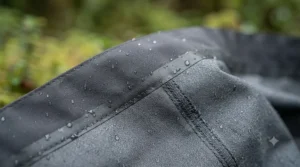
Rain Pants Buying Profiles: Which Pair Fits Your Canadian Life
The downtown Toronto commuter walking or cycling a few kilometres in spring and fall rain wants something that looks fine over work clothes and is easy to pull on fast — the North Face Antora or Columbia Rebel Roamer fit that brief well, at a price that doesn’t sting if they get left at the office.
The Vancouver weekend hiker heading into the North Shore mountains needs to plan for rain that doesn’t let up for hours. The Outdoor Research Foray or Arc’teryx Beta earn their price here, since the alternative is genuinely getting soaked through on a multi-hour trail.
The Calgary or Edmonton family doing occasional weekend hikes and the odd ski hill day is usually best served by the Marmot PreCip or Columbia Storm Surge — durable enough for regular use, without paying mountaineering prices for trips that happen a handful of times a year.
The rural or northern buyer ordering online with longer shipping windows benefits most from sizing generously and picking a model with a wider range of available sizes in stock, since a return-and-reorder cycle can eat weeks rather than days.
Common Mistakes When Buying Waterproof Rain Pants
- Buying based on “waterproof rating” alone. Almost every pair on this list will keep rain out in normal use; breathability and fit matter more day to day.
- Ignoring the ankle closure. A pair without an ankle zipper or cinch is much harder to pull on over winter boots — a distinctly Canadian annoyance that doesn’t show up in warm-climate reviews.
- Sizing for summer layers only. Rain pants bought to fit snugly over shorts often won’t fit over a fleece base layer in November.
- Skipping the return window check. With longer shipping times to some Canadian regions, it’s worth confirming the seller’s return policy before ordering, especially for sizing-sensitive premium brands.
- Assuming all “premium” gear ships reliably to Canada. As the Arc’teryx note above shows, even well-known Canadian brands can have inconsistent Amazon.ca stock — check before you commit to a specific model for a trip.
Caring for Rain Pants Through a Canadian Winter
Durable water repellent (DWR) coatings wear down with dirt, body oils, and repeated washing — not just age. A few habits extend the life of any pair on this list:
- Wash occasionally with a technical cleaner, not regular detergent, which can clog the fabric’s pores and reduce breathability.
- Re-apply a DWR treatment once or twice a season if you notice water soaking in rather than beading on the surface.
- Rinse off road salt promptly after winter wear — salt residue left on technical fabric can degrade coatings faster than plain water exposure.
- Store pants loosely, not stuffed tight, when not packed for a trip, since constant compression can crease and weaken seam tape over time.
- Check zippers for grit before winter use, since fine sand or salt can jam ankle zippers shut at the worst possible moment.
Rain Pants vs. Rain Kilts and Ponchos: What Actually Works in Canada
Rain kilts and ponchos show up often in ultralight hiking circles because they weigh less and vent better than full pants. For most Canadian conditions, though, full rain pants still win out: a kilt leaves your legs exposed to wind-driven rain and offers no protection from wet brush, and a poncho does nothing for your legs at all below the waist. Where kilts genuinely shine is hot, humid summer hiking where overheating is the bigger risk than wind-driven rain — a less common scenario across most of the Canadian hiking season than it is, say, on a southern Appalachian thru-hike.
Long-Term Cost and Care in CAD
A $40 pair of Frogg Toggs that needs replacing every season runs roughly the same five-year cost as a $200 pair of GORE-TEX pants you replace once every five years — but the comparison isn’t just about price. The pricier pair also means fewer trips ruined by a sudden tear, better resale value if you decide to upgrade, and generally better performance the whole time you own it. Canadian buyers should also factor in that premium outdoor brands often run noticeably higher here than equivalent US list prices, largely due to exchange rates and import costs — but buying domestically through Amazon.ca avoids customs surprises, cross-border return hassles, and the multi-week wait that can come with shipping returns back across the border.
✨ Ready to gear up before the next storm rolls in?
🔍 Check current Amazon.ca pricing on any of the seven picks above — availability shifts quickly, especially for sizes in the more popular models.
Bilingual Labelling and What “Waterproof” Actually Has to Mean
Clothing sold in Canada is required to carry bilingual care and fibre-content labelling under the Textile Labelling Act, which is why you’ll often see French alongside English on the tags of products in this guide, even when they’re made by US brands. It’s also worth knowing that “waterproof” isn’t a government-regulated marketing term the way some safety claims are — there’s no single mandatory Canadian certification for rain gear waterproofing, so the hydrostatic-head numbers (measured in millimetres) that brands publish are the most reliable way to compare claims across brands.
Frequently Asked Questions
❓ What's the difference between waterproof and water-resistant rain pants?
❓ Do waterproof rain pants work in a Canadian winter, or just rain?
❓ Can I wear rain pants over jeans or regular pants?
❓ Does Amazon.ca ship rain pants to rural and northern communities?
❓ How long should a good pair of rain pants last?
Conclusion
If you only take one thing from this guide, it’s that “waterproof rating” matters less than most marketing suggests — every pair here will keep typical Canadian rain out. What actually separates a $40 pair from a $450 pair is breathability, durability under repeated wear, and small design details like ankle zippers that make a real difference once you’re standing in slush trying to get a pant leg over a winter boot. For most casual Canadian use, the Marmot PreCip or Columbia Rebel Roamer hit the sweet spot. For serious backcountry or year-round mountain use, the Outdoor Research Foray or Arc’teryx Beta are worth the investment.
✨ Found a pair that fits your needs?
🔍 Check current pricing and availability on Amazon.ca before you head out — stock and prices shift often, especially heading into rainy season.
Recommended for You
- 7 Best Lightweight Rain Jackets for Summer in Canada (2026)
- Best Lightweight Rain Jackets Under 300g in Canada (2026)
- Best Bombproof Hardshell Rain Jacket in Canada 2026: Top 7 Picks
Disclaimer: This article contains affiliate links. As an Amazon Associate, I earn from qualifying purchases. If you purchase products through these links, we may earn a small commission at no additional cost to you.
✨ Found this helpful? Share it with your friends! 💬🤗
