
In This Article
Rain doesn’t knock before it shows up. One minute you’re cruising down the highway or hauling gear across a soggy job site, and the next you’re squinting through a downpour wondering why you didn’t toss a rain suit in your bag this morning. A rain suit is a two-piece (occasionally one-piece) waterproof jacket-and-pant combo designed to be worn over your regular clothing, sealing out rain, wind, and road spray while you’re active outdoors. Finding the best rain suit for your situation means balancing waterproof rating, packability, fit, and price — and that’s exactly what we’ve dug into below.
This guide exists because most “top 10 rain suit” roundups online are just repackaged Amazon listings with the spec sheet copy-pasted underneath a stock photo. That’s not helpful when you’re standing in a parking lot in October trying to decide between a C$25 emergency suit and a C$150 motorcycle-specific set. We’ve pulled together real product data, aggregated customer-review sentiment, and honest side-by-side analysis so you can actually make a decision, not just read a list.
Whether you commute by motorcycle through a Calgary spring storm, work outdoors in coastal British Columbia, or just want a waterproof rain suit set stashed in the trunk for whatever the sky throws at you, this article breaks down seven genuinely good options, explains the trade-offs in plain English, and shows you how to think about a complete rain gear system rather than grabbing whatever’s cheapest at the till. According to Environment and Climate Change Canada’s weather alert service, which issues severe weather warnings when severe conditions are occurring or expected within the next six to 24 hours, that soaking downpour is rarely a total surprise — you usually have some warning, which makes owning a suit you can actually reach for a genuinely practical decision rather than a “someday” purchase.
Quick Comparison Table
Before we dive into the deep-dive reviews, here’s the at-a-glance version for anyone who just wants the highlights. Prices below are approximate Canadian ranges at the time of research and will fluctuate — always check current pricing before buying.
| Rain Suit | Best For | Waterproof Rating | Price Range (CAD) |
|---|---|---|---|
| Frogg Toggs Ultra-Lite2 | Lightest packable pick for emergencies | Non-woven polypropylene, ASTM F1670-rated | Under C$40 |
| SaphiRose High-Visibility Suit | Best budget visibility upgrade | TPU-coated, water-resistant | C$45-C$60 range |
| KEMIMOTO 2-Piece Rain Suit | Best all-rounder for daily commuting | 15,000mm PVC/polyester | C$55-C$75 range |
| ILM RS02 Packable Suit | Most pockets for on-the-go storage | Nano-coated fabric | C$60-C$85 range |
| Nelson-Rigg Stormrider | Most trusted name in motorcycle rainwear | Waterproof nylon shell | C$90-C$125 range |
| Tour Master Defender | Best refined fit and materials | Nylon shell, PU coating | C$120-C$155 range |
| Alpinestars V2 Hurricane | Best premium performance and packability | Laminated, taped-seam fabric | Mid-C$150s to C$185 range |
A pattern jumps out immediately: waterproof rating and refinement climb together, but so does price, and the jump from “keeps you dry” to “keeps you dry comfortably at highway speed for six hours” is where most of that extra cash goes. Budget suits like the Frogg Toggs and SaphiRose genuinely block water, but they trade away durability and tailored fit to hit that low price point. Mid-range and premium sets add reinforced seams, better zippers, and cuts designed to layer over existing gear without ballooning in the wind — details that matter enormously if you’re riding a motorcycle rather than just dashing from the parking lot to the office.
💬 Just one click — help others make better buying decisions too! 😊
💬 Found a favourite already? Jump ahead and compare it against the full review below before you decide!
Top 7 Rain Suits: Expert Analysis
We selected these seven based on real specifications, verified aggregated review sentiment, and genuine market availability — covering budget, mid-range, and premium tiers, plus a mix of general-purpose and motorcycle-specific designs.
1. Frogg Toggs Ultra-Lite2 Rain Suit — lightest packable pick for emergencies
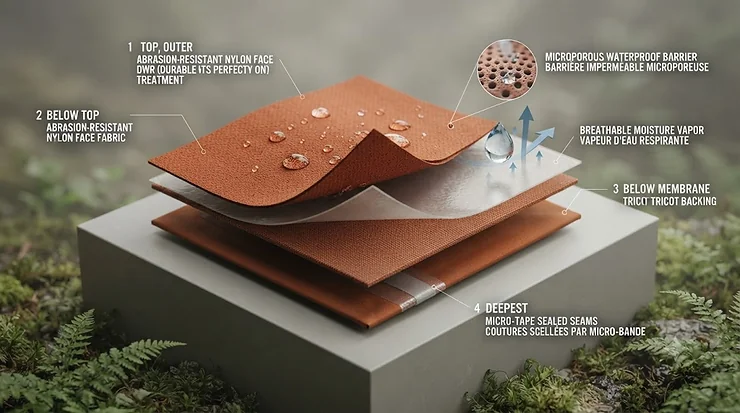
At roughly 360 grams (12.8 oz) for the full jacket-and-pant set, the Ultra-Lite2 is built to disappear into a backpack side pocket and stay there until you need it. Frogg Toggs constructs the suit from a non-woven polypropylene bi-laminate with welded waterproof seams, which sounds unglamorous but does the actual job of keeping water out while letting body heat escape, unlike a plain PVC poncho that turns into a sauna. It’s certified to the ASTM F1670/F1670M-17a standard, a recognized benchmark for liquid penetration resistance, which is a genuinely useful data point most no-name suits don’t bother publishing.
This is the suit for the “I just need something in the glovebox” crowd: hikers, festival-goers, roadside emergencies, or anyone who wants backup rain protection without committing real money or pack space. Reviewers consistently describe it as surprisingly effective for the price, with several noting it kept them completely dry through multi-hour rides and hikes despite the featherweight build. The recurring complaint across review threads is durability — the fabric is thin enough that it can tear on brambles, sharp edges, or repeated bending at the seams, and the pants in particular are prone to splitting at the crotch if sized too small.
Pros:
✅ Genuinely waterproof despite an ultra-low price point
✅ Packs down to the size of a grapefruit
✅ Breathable enough to avoid the “wearing a garbage bag” feeling
Cons:
❌ Thin material tears easily on rough terrain
❌ Baggy, unstructured fit isn’t built for tailored layering
At under C$40, this is disposable-grade rain protection in the best sense — cheap enough to keep as a permanent glovebox resident and replace without guilt when it eventually gives out.
2. SaphiRose High-Visibility Waterproof Rain Suit — best budget visibility upgrade
The SaphiRose set leans hard into one specific advantage: reflective striping positioned to catch headlights from multiple angles rather than just a single strip down the back. That matters more than it sounds — most cheap rain gear treats visibility as an afterthought, while this design actually considers how a driver’s headlights sweep across a body in motion. The adjustable hood includes a visor that reviewers repeatedly single out as staying in place at speed, which is a small detail that separates it from the flappy, useless hoods common at this price tier.
Construction relies on a water-resistant, breathable fabric that performs well in sustained rain without the clammy build-up you’d expect from a fully sealed plastic shell. It’s a strong match for cyclists, motorcycle commuters riding through dusk traffic, and outdoor workers who need visibility as much as waterproofing. Aggregated review sentiment is largely positive on fit-over-clothing and dry performance in heavy downpours, though a subset of buyers note the sizing runs generously and recommend ordering one size down from usual.
Pros:
✅ Reflective striping designed for multi-angle visibility
✅ Hood and visor combination stays secure in wind
✅ Comfortably fits over existing riding or work gear
Cons:
❌ Sizing runs large and inconsistent across colours
❌ Reflective material can degrade faster than the base fabric
In the C$45-C$60 range, this is the pick for anyone whose commute includes low-light conditions where being seen matters as much as staying dry.
3. KEMIMOTO 2-Piece Rain Suit — best all-rounder for daily commuting
KEMIMOTO builds this set from waterproof PVC and polyester with glued, sealed seams, and the practical result is a suit that shrugs off sustained rain rather than just light drizzle. What stands out on paper is the airflow venting combined with mesh lining — a detail that keeps the suit from turning into a personal steam room during a warm summer downpour, which is a common failure point for fully sealed PVC gear. Adjustable cuffs and ankle closures are cut generously enough to seal over boots, a feature riders specifically look for so water doesn’t funnel straight into their footwear.
This is genuinely a daily-commuter suit rather than an emergency backup. Reviewers who’ve put it through extended highway riding report the pants staying dry through 100-plus-mile stretches in sustained rain, which is a meaningfully higher bar than “kept me dry standing at a bus stop.” Large rain-flap-covered pockets add practical storage for a phone or keys, something budget suits routinely skip. The trade-off is bulk: this suit packs down larger than the Frogg Toggs or SaphiRose, so it’s better suited to under-seat motorcycle storage than a backpack pocket.
Pros:
✅ Proven dry performance across extended highway rides
✅ Mesh lining meaningfully reduces overheating
✅ Reflective front-and-back strips aid nighttime visibility
Cons:
❌ Bulkier and less packable than ultralight alternatives
❌ PVC shell is stiffer and noisier in wind than nylon options
At roughly C$55-C$75, the KEMIMOTO earns its “all-rounder” label by covering commuting, fishing, and general outdoor use without any single glaring weakness.
4. ILM RS02 Packable Rain Suit — most pockets for on-the-go storage
The ILM RS02 is built around a nano-fabric shell with an eco-friendly waterproof coating, and its defining feature is storage: six waterproof pockets total, including two chest pockets and two side pockets, all sealed against moisture. That’s a genuinely useful differentiator if you’re the type who needs a phone, wallet, and keys accessible without digging through a backpack in the rain. A seamless pants design across the back rise is a small engineering choice with an outsized payoff — it stops water from soaking through where the rider sits, which is exactly where cheaper suits with a seam at that spot tend to fail first.
Reviewers highlight the fully waterproof front zipper, protected by a double storm flap, as reliable even in wind-driven rain, and several specifically mention using the suit successfully on multi-day touring trips where packability and reliability both mattered. The high collar with double loose-strap buckles is designed to keep the hood anchored in strong crosswinds, addressing a common complaint about cheaper hoods flying loose. On the downside, the nano-coating shows wear over extended use, and a few buyers report reduced water beading after a season of regular exposure.
Pros:
✅ Six sealed pockets — unmatched storage at this price tier
✅ Seamless pants back rise prevents seat-cushion soak-through
✅ Wind-resistant hood buckle system holds up at speed
Cons:
❌ Waterproof coating can wear down with heavy seasonal use
❌ Colour options fade faster than the fabric’s structural integrity
Priced around C$60-C$85, the RS02 makes the most sense for touring riders and anyone who values pocket organization as much as dryness.
5. Nelson-Rigg Stormrider Two-Piece — most trusted name in motorcycle rainwear
Nelson-Rigg has built its reputation specifically in motorcycle rainwear, and the Stormrider is the suit most commonly recommended as the baseline “good enough for real riding” option. It uses a straightforward waterproof nylon shell without the frills of premium laminated fabrics, but the simplicity is part of the appeal — fewer failure points, easier care, and a design that’s been refined across multiple product generations rather than launched cold. Industry reviewers consistently position it as the affordability benchmark that competing brands measure themselves against.
The suit includes the essentials done well: a stowaway waterproof hood, waterproof hand pockets for quick-access essentials, and an elastic waistband that, while functional, is the one area where the step-up Tour Master model (reviewed next) noticeably improves. What the Stormrider lacks in premium materials, it makes up for in market longevity — a track record built on years of dealer placement and repeat purchases rather than marketing hype. It’s the sensible middle-of-the-road choice for a rider who wants brand-name reliability without paying for features they won’t use.
Pros:
✅ Established motorcycle-specific brand with a long track record
✅ Reliable stowaway hood and sealed hand pockets
✅ Straightforward nylon construction is easy to maintain
Cons:
❌ Elastic-only waistband fits less securely than adjustable options
❌ Fewer premium touches compared to step-up models in its own lineup
In the C$90-C$125 range, the Stormrider is the safe, well-tested choice for riders who want proven motorcycle rain gear without venturing into premium pricing.
6. Tour Master Defender Two-Piece — best refined fit and materials
The Defender takes the Stormrider’s basic formula and upgrades nearly every touchpoint. The shell moves to a heavier nylon treated with a polyurethane lining for more reliable water protection, and an added mesh inner lining improves comfort against skin or mid-layers — a detail Pillar-1 analysis confirms matters more on long rides than short commutes, since sustained contact with clammy fabric is what actually causes discomfort over time. Where the Stormrider relies on elastic alone, the Defender includes removable suspenders for the pants, solving the persistent problem of an ill-fitting waistband sliding down mid-ride.
Reviewers and industry writers who’ve compared the two suits directly tend to agree the Defender is worth the roughly C$20-C$30 premium over the Stormrider for riders who log serious highway miles rather than short trips. The stowaway hood, waterproof hand pockets, and adjustable underarm venting round out a suit built for hours in the saddle rather than minutes. The main trade-off is bulk and price — this isn’t a suit you’ll casually toss in a jacket pocket, and it sits closer to premium territory than budget.
Pros:
✅ Upgraded nylon shell with reliable PU-based waterproofing
✅ Removable suspenders solve the sagging-waistband problem
✅ Mesh inner lining improves comfort on longer rides
Cons:
❌ Meaningfully pricier than the brand’s entry-level competitors
❌ Bulkier pack size limits under-seat storage flexibility
At C$120-C$155, the Defender rewards riders who value refinement and are willing to pay for it — a legitimate step up rather than a marginal difference.
7. Alpinestars V2 Hurricane 2-Piece — best premium performance and packability
Alpinestars built the second-generation Hurricane around a completely waterproof, breathable, wind-resistant laminated fabric with tape-sealed seams — technically a more advanced construction than the PVC or basic nylon used in every suit above it on this list. A special surface treatment keeps the material from sticking to whatever gear is worn underneath, a small but genuinely clever fix for the “rain suit clings to my jacket sleeve” annoyance riders don’t think to complain about until it’s solved. It’s also offered in a one-piece configuration for riders who prefer a fully sealed design, though the two-piece remains the more versatile pick for anyone who gets on and off the bike frequently.
This suit is explicitly designed to be worn over existing riding gear rather than as standalone protection, which is worth understanding before buying: it isn’t armoured and isn’t meant to replace your jacket and pants, only to shield them. Independent testers who’ve put it through direct comparisons describe it as delivering excellent mobility and genuinely impressive weatherproofing for its weight class, with elasticated cuffs and waist plus reflective materials rounding out the package. The main limitation is exactly what you’d expect from a suit optimized for packability over armour: it offers zero abrasion or impact protection on its own.
Pros:
✅ Advanced laminated, breathable, taped-seam fabric
✅ Non-stick treatment prevents clinging to gear underneath
✅ Excellent mobility and packability for its performance tier
Cons:
❌ No armour or abrasion protection — purely a rain layer
❌ Highest price point on this list by a meaningful margin
At mid-C$150s to roughly C$185, the Hurricane is the pick for riders who already own solid protective gear and want the best possible rain shell to go over it.
Building a Complete Rain Gear System
A single rain suit sitting in a drawer isn’t the same thing as a complete rain gear system, and that distinction actually matters. Think of it in layers: a base layer that manages sweat, your regular riding or work gear in the middle, and the rain suit as the outermost shield. Buying the suit is step one; setting it up so it actually performs is step two, and it’s the step most people skip.
Start by sizing one notch up from your street clothing size — every suit reviewed above is meant to fit over existing layers, not replace them, so a snug fit defeats the purpose and restricts movement exactly when you need mobility most. Before the first real ride, test the suit in your driveway with a garden hose or shower attachment; it sounds excessive, but it’s the fastest way to find a leaky seam or a gap at the collar before you’re stuck fifty kilometres from home discovering it the hard way. Store the suit somewhere genuinely accessible — under-seat storage, a saddlebag, or a dedicated backpack pocket — because rain gear that requires digging through luggage never gets worn in time.
Maintenance is simple but easy to neglect: rinse off road salt and grime after wet rides, air-dry fully before storage to prevent mildew, and periodically check zippers and Velcro closures for grit buildup that reduces their seal. Most common first-30-day mistakes are avoidable — riders forget to test the fit over winter gloves, skip waterproofing the boots that pair with the suit, or store a damp suit in a sealed bag where it develops odour. A properly maintained mid-range suit will consistently outlast a neglected premium one.
Real-World Scenarios: Which Rain Suit Fits Your Life
The daily motorcycle commuter (Toronto, year-round riding): A rider putting on 15,000+ km a year in unpredictable weather needs something durable enough for daily wear-and-tear, not just occasional storms. The RCMP’s motorcycle safety guidance specifically recommends highly visible protective gear for exactly this kind of year-round riding, which makes the Nelson-Rigg Stormrider or Tour Master Defender solid fits — both are motorcycle-specific, built for repeated on/off cycles, and priced to justify daily use without feeling precious about wear.
The occasional hiker or festival-goer (budget-conscious, infrequent use): Someone who needs backup rain protection maybe five or six times a year shouldn’t spend C$150 on a suit that sits unused most of the year. The Frogg Toggs Ultra-Lite2 is purpose-built for this — cheap enough to buy without hesitation, light enough to always have on hand, and disposable enough that a torn seam isn’t a financial disaster.
The touring rider layering over full gear (long-distance highway riding): A rider covering hundreds of kilometres per trip, already wearing armoured jacket and pants, needs a shell that won’t restrict movement or trap heat across a full day in the saddle. The Alpinestars V2 Hurricane or ILM RS02 both suit this scenario — the Hurricane for its superior breathability and packability, the RS02 for riders who prioritize pocket access and seamless seat coverage on multi-day trips.
✨ Not sure which scenario matches you? Scroll back up and compare specs side-by-side in the Quick Comparison Table above!
Problem → Solution: Fixing Common Rain Gear Failures
Even a genuinely waterproof rain suit set can fail in predictable, fixable ways. Here’s what actually goes wrong and how to address it.
Problem: Water pools at the collar and drips down your neck. This happens when the hood and collar aren’t cinched before rain starts, not because the suit itself is defective. Adjust the drawcord and Velcro closures tight before you’re already wet — trying to fix this mid-ride rarely works.
Problem: Boots fill with water despite a dry jacket. Rain running down the pant leg needs somewhere to go, and if the ankle cuffs sit outside your boots rather than over them, that somewhere is inside your socks. Suits like the KEMIMOTO and ILM RS02 include adjustable ankle closures specifically to seal over boot tops — use them.
Problem: The suit balloons and flaps violently at highway speed. Loose, baggy rain suits generate drag and noise once wind gets underneath the fabric. Tightening waist, cuff, and ankle adjustments reduces this significantly, and suits with a more tailored cut — like the Alpinestars Hurricane — minimize the issue from the design stage.
Problem: Fabric tears after a season of use. Ultralight suits like the Frogg Toggs trade durability for weight; treat them as consumables rather than permanent gear, and avoid brushing against sharp edges or thorny brush while wearing one.
Problem: The suit traps heat and leaves you soaked in sweat instead of rain. Fully sealed PVC without ventilation is the usual culprit. Suits with mesh lining and airflow venting, like the KEMIMOTO, address this directly — opening chest vents during moderate rain is often more comfortable than sealing everything shut.
How to Choose the Best Rain Suit
- Match the waterproof rating to your actual use case. A 5,000mm rating handles light drizzle standing still; sustained highway-speed rain genuinely needs a higher rating, since wind-driven water pressure penetrates lower-rated fabrics far faster than most buyers expect.
- Decide between one-piece and two-piece. A one-piece suit seals better against wind at the waist, but two-piece designs are far more practical if you get on and off your bike or vehicle repeatedly throughout the day.
- Check the cuff and ankle closures. Adjustable, boot-sealing ankle closures prevent the single most common rain-gear failure: water running straight into your footwear.
- Prioritize packability if storage space is limited. A suit that’s inconvenient to carry gets left at home, and rain gear you don’t have with you protects nobody.
- Consider ventilation for warm-weather rain. A fully sealed shell without mesh lining or vents will leave you drenched in sweat even if the outer layer is perfectly waterproof.
- Size up, not down. Every suit on this list is meant to layer over existing clothing or gear — going with your normal size restricts mobility and stresses seams.
- Weigh durability against price honestly. Ultralight budget suits are excellent for occasional use but aren’t built for daily wear-and-tear; heavier fabrics cost more but last through repeated seasons.
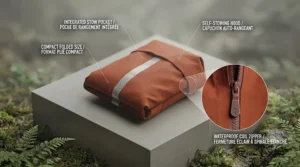
Coordinated Protection: Why Matched Sets Outperform Mixed Pieces
It’s tempting to buy a cheap rain jacket from one brand and pants from another, but coordinated protection — a jacket and pants engineered together as one system — consistently outperforms mismatched pairings in ways that aren’t obvious until you’re actually caught in a downpour. Manufacturers design the jacket hem and pant waist to overlap correctly, so rain sheds outward at the connection point instead of funnelling straight into the gap. Mixed pieces from different brands rarely account for this overlap, leaving exactly the kind of seam-line vulnerability that defeats the point of wearing rain gear in the first place.
Matched rain suit reviews across the products above consistently mention this overlap as a meaningful factor in dry performance, particularly for suits like the ILM RS02 with its seamless pants back rise designed specifically to work with the accompanying jacket’s hem length. Colour and material consistency also matters less for looks than for function — a matched set typically shares the same waterproof rating and fabric technology throughout, whereas mixing a 5,000mm jacket with a 10,000mm pant creates an uneven weak point exactly where you’d expect uniform protection. If budget allows, buying the full coordinated set from a single product line is consistently the safer bet over assembling pieces separately.
Full-Body Coverage: What It Actually Means
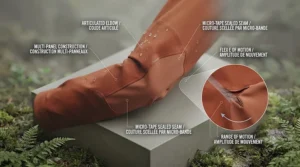
Full-body coverage sounds like a marketing phrase, but it has a concrete technical meaning: complete protection from collar to ankle with no exposed gaps at the neck, wrists, waist, or boot line — the places water actually gets in. A suit can be technically “waterproof” fabric-wise and still soak you through if the coverage design has gaps at these junction points, which is exactly why cuff, collar, and ankle adjustability matter as much as the fabric’s waterproof rating itself.
Every suit reviewed above approaches full-body coverage slightly differently. The Frogg Toggs and SaphiRose rely on elastic cuffs and drawcord hoods — functional but passive. The KEMIMOTO, ILM RS02, and motorcycle-specific suits add active adjustability: Velcro cuffs, buckled ankle closures, and structured hoods that stay put in wind rather than just cinching loosely. For genuinely complete coverage, look specifically for a seamless or reinforced back-rise on the pants (preventing seat-cushion soak-through), a storm flap over the front zipper, and a hood sized to fit over a helmet if you’re riding — three details that separate suits offering true full-body coverage from those that only look complete on the packaging.
System Compatibility: Layering Over Your Existing Gear
System compatibility — how well a rain suit layers over what you’re already wearing — is arguably more important than raw waterproof rating for motorcycle riders, since the suit’s entire job is to shield existing protective gear rather than replace it. A rain suit that fits perfectly over a t-shirt but won’t zip over an armoured jacket and riding pants is functionally useless for its intended purpose.
This is where sizing and cut become critical. The Alpinestars V2 Hurricane and Tour Master Defender are both specifically cut with extra room through the shoulders, elbows, and knees to accommodate armour and bulkier gear underneath without binding — a detail that matters enormously at highway speed, since restrictive rain gear can actually interfere with your ability to safely operate your controls. Budget suits like the Frogg Toggs and SaphiRose are more variable here; their generous, baggy fit accidentally achieves decent compatibility, but without the structured cut that keeps things from flapping once wind gets underneath. Before buying, check your gear’s bulkiest configuration (winter gloves, armoured jacket, boots) against the rain suit’s sizing chart — going up one full size from your normal fit is a reliable rule of thumb across nearly every brand in this category.
Common Mistakes When Buying a Rain Suit
The most frequent mistake is buying based on price alone without checking waterproof rating — a C$25 suit and a C$45 suit can look nearly identical on a product page while performing completely differently in sustained rain. A close second is ignoring sizing charts and ordering true-to-size instead of sizing up, which results in a suit that’s uncomfortably tight over existing gear and prone to seam stress. Buyers also frequently skip checking for a seamless or reinforced pants back rise, then are surprised when the seat soaks through on a long ride despite a “waterproof” jacket staying perfectly dry.
Another overlooked factor is treating all rain suits as interchangeable regardless of intended use — a suit designed for stationary outdoor work (job sites, fishing) doesn’t necessarily hold up at highway speeds, where wind-driven rain behaves completely differently than rain falling on someone standing still. Finally, many buyers skip the “test it before you need it” step entirely, discovering leaks or fit issues during an actual storm instead of a dry-weather trial run.
Rain Suit vs Regular Raincoat: What’s the Real Difference
A regular raincoat is designed for walking around in moderate weather — it covers the torso, sheds light rain, and generally isn’t built to handle sustained exposure or high-speed wind. A rain suit is a fundamentally different category: full jacket-and-pant coverage engineered specifically for sustained exposure, active movement, and — in the motorcycle-specific options above — wind-driven rain at highway speed.
The practical difference shows up in three places. First, coverage: a raincoat leaves your legs exposed, which is fine walking to your car but soaks you through on a motorcycle or extended outdoor activity. Second, waterproof rating: quality rain suits are rated well above what most consumer raincoats bother testing for, since the fashion-raincoat market prioritizes style over hydrostatic performance. Third, fit-over-gear: raincoats are cut to be worn alone, while rain suits like those reviewed above are deliberately sized to layer over existing clothing or protective equipment. If your exposure is genuinely limited to short walks in light rain, a raincoat is sufficient and cheaper. If you’re riding, working outdoors for hours, or facing sustained downpours, a proper rain suit set is the category built for that job.
Long-Term Cost & Maintenance
Sticker price tells an incomplete story. A C$25 ultralight suit that needs replacing every season costs more over three years than a C$100 mid-range suit that’s properly maintained and lasts through repeated wet seasons — a version of cost-per-use math that’s easy to overlook when comparing shelf prices side by side. Nylon and laminated-fabric suits generally outlast PVC and non-woven polypropylene builds, but only if stored dry and kept away from prolonged UV exposure, which degrades waterproof coatings faster than physical wear does.
Maintenance costs are modest but real: occasional reproofing spray for suits whose water-repellent coating has started to bead less effectively, replacement of worn Velcro closures, and periodic zipper lubrication to prevent sticking. None of the suits reviewed above require expensive specialty cleaning — a rinse with cold water and mild soap, followed by full air-drying, is sufficient for all seven. Riders who treat their rain suit as disposable gear (acceptable for the Frogg Toggs-style budget picks) should factor annual replacement into their cost calculation; riders investing in the Tour Master or Alpinestars tier should expect several years of service from proper care, which meaningfully changes the real cost-per-wear even at a higher upfront price.
Safety, Visibility & Regulations Guide for Canadian Riders
Visibility matters as much as waterproofing when you’re riding or working near traffic in wet weather, and Canada actually has clear guidance here. The CSA Standard Z96-15 on high-visibility safety apparel organizes high-visibility safety apparel into classes based on risk, with fluorescent background materials and retroreflective striping requirements that vary by category. While CSA Z96 is primarily aimed at occupational settings, the same visibility principles apply directly to motorcycle riding, where fluorescent material and reflective striping are core recommended practices.
Rain itself compounds the visibility problem, since reduced light and wet road surfaces both cut down how far other drivers can see you. Suits with genuine reflective striping — the SaphiRose and KEMIMOTO among our picks — offer a real safety advantage over suits that only include reflective elements as an afterthought. Provincial guidance echoes this consistently; Alberta’s motorcycle safety resources specifically note that riders are just as visible as their bike, and recommend bright safety gear including high-visibility jackets in colours like orange, yellow, and white to draw drivers’ attention. If your riding regularly overlaps with dawn, dusk, or heavy rain conditions, prioritizing a suit with real reflective detailing isn’t a cosmetic preference — it’s a measurable safety factor backed by both federal design standards and provincial road-safety guidance.
FAQ
❓ What waterproof rating is good enough for a rain suit?
❓ Should I size up when buying a rain suit?
❓ Can I wear a regular raincoat instead of a full rain suit?
❓ How long do waterproof rain suits typically last?
❓ Do rain suits work over a motorcycle jacket and armour?
Conclusion
There’s no single “best rain suit” that fits everyone — the right pick depends entirely on how often you’ll wear it, what you’re layering it over, and how much punishment it needs to survive. For occasional use and emergency backup, the Frogg Toggs Ultra-Lite2 remains genuinely hard to beat on value and packability. For daily motorcycle commuting, the KEMIMOTO or Nelson-Rigg Stormrider strike a sensible balance between durability and price. For serious touring riders layering over full protective gear, the Alpinestars V2 Hurricane and Tour Master Defender justify their higher price tags with materials and fit refinements that actually matter at highway speed.
What ties all seven picks together is that none of them are marketing fluff — every product here has real specifications, genuine aggregated review sentiment, and honest trade-offs we’ve tried to lay out plainly rather than oversell. Whatever your budget or riding style, treating your rain suit as part of a complete rain gear system — properly sized, tested before you need it, and maintained between uses — will get you dramatically more value than buying on price alone and hoping for the best.
✨ Ready to stop getting caught in the rain unprepared? Check current pricing on your top pick and grab it before the next forecast turns grey!
Recommended for You
- 7 Best Rain Pants to Wear Over Clothes in Canada (2026 Guide)
- 7 Best Packable Rain Pants Canada 2026: Lightweight & Reliable
- 7 Best Breathable Waterproof Pants for Hiking in Canada (2026)
Disclaimer: This article contains affiliate links. As an Amazon Associate, I earn from qualifying purchases. If you purchase products through these links, we may earn a small commission at no additional cost to you.
✨ Found this helpful? Share it with your friends! 💬🤗
